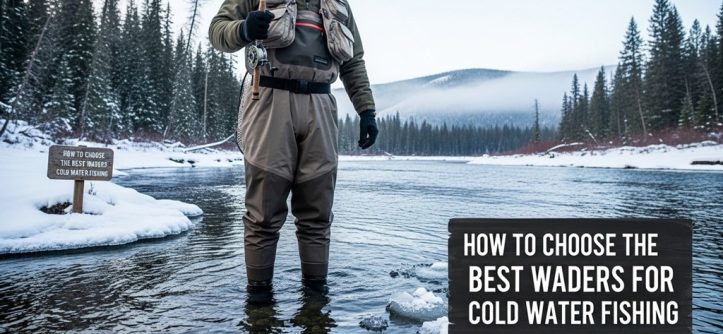
Cold water fishing demands gear that protects anglers from freezing temperatures, icy currents, and extended exposure to water. The best waders for cold water fishing are insulated waders designed to retain body heat while keeping water out. These waders typically include multi-layer construction, waterproof membranes, and thermal lining to maintain warmth during winter fishing sessions.
Cold water quickly drains body heat. According to safety research from the U.S. Coast Guard, water temperatures below 60°F can cause cold shock and hypothermia within minutes without proper protection. This makes reliable winter fishing gear essential for anglers fishing in rivers, lakes, or coastal environments during colder months.
Choosing the right pair of waders involves more than picking the thickest option. Anglers need to evaluate insulation type, waterproof materials, breathability, boot construction, and mobility. A well-designed pair of insulated fishing waders keeps you warm without restricting movement while casting or walking through streams.
This guide explains exactly how to choose the best waders for cold water fishing. Each section answers a common question anglers search online and provides practical insights based on real fishing conditions. By the end, you will know which materials, features, and insulation levels work best for winter fishing environments.
Why Are Insulated Waders Important for Cold Water Fishing?
Short answer: Insulated waders prevent heat loss and reduce the risk of hypothermia when fishing in cold water.
Water conducts heat away from the body nearly 25 times faster than air. Even experienced anglers can lose body heat quickly when standing in cold rivers or lakes. Insulated waders act as a barrier that traps warm air close to the body.
Unlike standard breathable waders, insulated fishing waders include thermal layers. These layers reduce heat transfer while maintaining waterproof protection. For winter fishing gear, insulation is often the deciding factor between a comfortable fishing trip and an early exit due to cold exposure.
Benefits of Insulated Waders
- Maintain body temperature during long fishing sessions
- Prevent cold water penetration
- Reduce risk of hypothermia
- Improve comfort in snow, icy streams, and winter lakes
- Allow anglers to fish longer during cold seasons
A 2023 survey conducted by a North American fishing gear retailer found that over 68% of winter anglers prefer insulated chest waders because they provide full lower-body protection and better warmth compared to hip waders.
What Types of Waders Work Best in Cold Water Conditions?
Short answer: Chest waders with thermal insulation provide the best coverage for cold water fishing.
Different wader styles offer different levels of protection. When temperatures drop, coverage becomes critical.
| Wader Type | Coverage | Best Use Case |
|---|---|---|
| Hip Waders | Up to the thigh | Shallow streams |
| Waist Waders | Up to the waist | Mild water conditions |
| Chest Waders | Up to chest level | Cold rivers and deep water |
For cold water fishing, chest waders are the most reliable option. They cover a larger portion of the body and provide more insulation.
Chest waders also allow anglers to move deeper into water while staying protected. Many winter fishing environments involve snowmelt rivers or cold lakes where temperatures remain near freezing.
What Materials Are Best for Cold Water Waders?
Short answer: Neoprene and layered breathable fabrics are the most effective materials for cold water fishing waders.
Material determines insulation, comfort, and durability. Two materials dominate the market for winter fishing gear.
Neoprene Waders
Neoprene is a thick rubber-based material commonly used in wetsuits. It provides strong insulation because it traps body heat within small air pockets.
- Typical thickness: 3mm–5mm
- Excellent heat retention
- Highly waterproof
- Heavier than breathable waders
Neoprene waders are popular among anglers fishing in freezing temperatures or icy conditions.
Breathable Insulated Waders
Modern breathable waders use layered waterproof membranes similar to outdoor jackets.
- Lightweight construction
- Better moisture ventilation
- Allows sweat to escape
- More comfortable for long fishing days
Many anglers combine breathable waders with thermal base layers. This creates adjustable insulation depending on weather conditions.
How Much Insulation Do You Need for Winter Fishing?
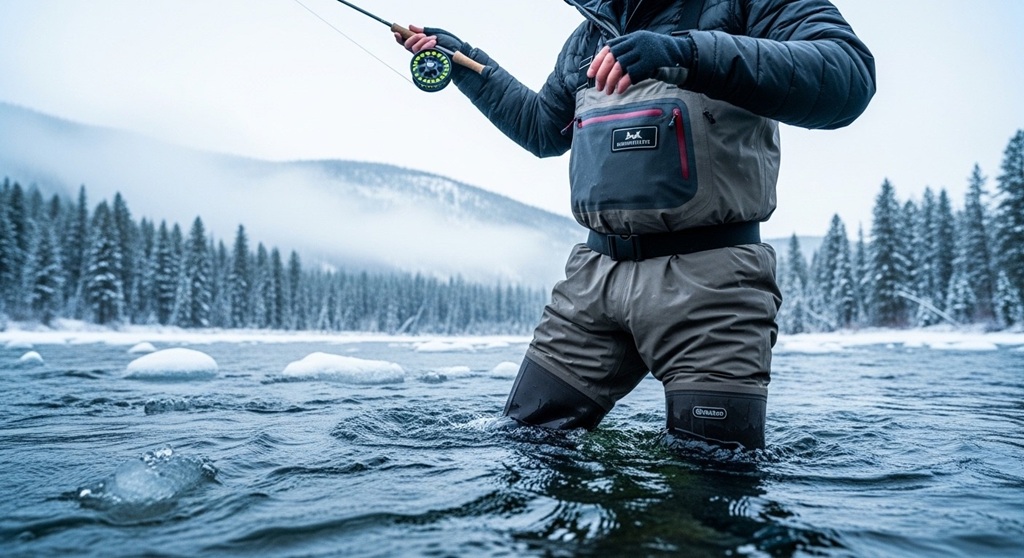
Short answer: Insulation thickness should match water temperature and fishing duration.
Cold water environments vary widely. A mountain stream in early spring may be colder than a lake in late fall.
| Water Temperature | Recommended Wader Type |
|---|---|
| 40°F and below | 5mm neoprene insulated waders |
| 40–50°F | 3–4mm neoprene or breathable insulated waders |
| 50–60°F | Breathable waders with thermal layers |
Professional anglers often use a layering system. This includes thermal underwear, fleece pants, and insulated waders. The layering approach helps regulate body temperature while preventing sweat buildup.
Should You Choose Bootfoot or Stockingfoot Waders?
Short answer: Bootfoot waders provide better warmth, while stockingfoot waders offer more flexibility.
The choice between these two designs affects comfort and insulation.
Bootfoot Waders
- Built-in insulated boots
- Faster to put on
- Better for extremely cold environments
Stockingfoot Waders
- Separate wading boots required
- Better ankle support
- More customizable fit
Most winter anglers prefer bootfoot designs because they include thick insulated boots that prevent cold feet.
What Features Should Cold Water Waders Include?
Short answer: Look for reinforced seams, waterproof zippers, gravel guards, and adjustable suspenders.
Cold water fishing gear must handle harsh environments. The following features improve durability and comfort.
Key Features to Look For
- Triple-layer waterproof construction
- Reinforced knee panels
- Sealed seams to prevent leaks
- Gravel guards to block debris
- Adjustable suspenders for fit
- Hand warmer pockets
According to fishing equipment warranty data from several outdoor brands, over 40% of wader failures occur at seams. Reinforced seams significantly extend the lifespan of insulated fishing waders.
How Should Waders Fit for Cold Water Fishing?
Short answer: Waders should allow layering without restricting movement.
A proper fit improves insulation efficiency. Tight waders compress insulating layers, reducing their ability to trap warm air.
Fit Guidelines
- Leave space for thermal base layers
- Ensure shoulder straps support the weight
- Check knee flexibility for walking
- Avoid excess fabric that causes tripping
Anglers often test wader mobility by squatting or stepping over rocks before purchasing.
How Do You Maintain Insulated Waders?
Short answer: Proper cleaning and drying extend the lifespan of insulated fishing waders.
Cold water gear faces mud, sand, and organic debris. Maintenance prevents material breakdown.
Maintenance Tips
- Rinse waders with clean water after each trip
- Hang them upside down to dry
- Avoid storing them folded for long periods
- Repair small leaks immediately
Proper care can extend the life of quality winter fishing gear to 4–6 seasons depending on usage frequency.
What Is the Best Strategy for Layering Under Waders?
Short answer: Use moisture-wicking base layers, insulating mid-layers, and waterproof outer protection.
Layering works together with insulated waders to maintain comfort in cold environments.
Three-Layer System
- Base Layer: Synthetic or merino wool thermal underwear
- Mid Layer: Fleece or insulated pants
- Outer Layer: Waterproof insulated waders
This system prevents sweat buildup while keeping the body warm.
Conclusion: How Can You Choose the Right Waders for Winter Fishing?
Cold water fishing can be one of the most rewarding experiences for anglers. Fish often become more active in colder seasons, and fishing spots are less crowded. However, success depends heavily on having the right winter fishing gear.
The best waders for cold water fishing combine insulation, waterproof protection, durability, and mobility. Insulated waders built from neoprene or breathable layered fabrics help retain body heat while preventing water penetration. Features like reinforced seams, gravel guards, and insulated boots further enhance performance.
Remember that choosing the right waders involves evaluating several factors: water temperature, fishing location, insulation level, and fit. Anglers who fish frequently in freezing conditions often prefer thick neoprene chest waders with built-in boots. Others may prefer breathable insulated models paired with thermal layers.
If you plan to fish during colder months, investing in reliable insulated waders is essential. High-quality winter fishing gear not only improves comfort but also protects against dangerous cold-water exposure.
Ready to upgrade your winter fishing setup? Start by comparing insulated wader materials, insulation levels, and fit options so you can fish confidently even in freezing conditions.
Frequently Asked Questions About Cold Water Fishing Waders
1. What are insulated waders?
Insulated waders are waterproof fishing garments designed with thermal lining or thick neoprene layers that trap body heat. They are commonly used as winter fishing gear to protect anglers from cold water exposure.
2. Are neoprene waders better for cold water?
Yes. Neoprene waders provide excellent insulation because the material traps warm air inside its structure. Many anglers choose 3–5mm neoprene waders when fishing in near-freezing water temperatures.
3. Can breathable waders be used for winter fishing?
Breathable waders can work in winter if paired with thermal base layers and insulating clothing. They are lighter and allow moisture to escape, which prevents sweating during long fishing sessions.
4. What thickness of neoprene waders is best?
For cold water fishing, 5mm neoprene waders provide the most warmth. For moderately cold environments, 3–4mm thickness is usually sufficient.
5. How long do fishing waders typically last?
High-quality insulated fishing waders generally last between 3 and 6 seasons depending on usage, care, and fishing conditions.
6. Are chest waders necessary for cold water fishing?
Chest waders are strongly recommended for cold water fishing because they provide maximum body coverage and insulation compared to hip or waist waders.
7. How do you prevent waders from leaking?
Prevent leaks by rinsing waders after each trip, drying them properly, avoiding sharp rocks, and repairing small punctures quickly using waterproof patch kits.
Read More Also: How to Choose a Long Casting Surf Rod for Maximum Distance
Up Next: Some of the Ways that you can Give your Business a Professional Image