
You want to stay protected from the sun without sweating through your clothes or emptying your wallet. The good news is that affordable cooling long sleeve shirts exist, but the market is flooded with overpriced options that promise more than they deliver. Many shoppers end up with shirts that feel like plastic bags or lose their UPF rating after a few washes. This guide cuts through the marketing noise and shows you exactly how to find a shirt that actually keeps you cool, blocks UV rays, and fits your budget. Forget the hype; here is what actually matters.
What Makes a Long Sleeve Shirt Actually “Cooling”?
A cooling long sleeve shirt uses fabric technology to manage heat and moisture, not just block the sun. The key is moisture wicking and breathability. Fabrics like polyester, nylon, and specially treated blends pull sweat away from your skin to the outer surface where it evaporates quickly. This evaporative process creates a cooling effect. Look for keywords like “gridded fabric,” “ventilated panels,” or “mesh underarms.” Avoid cotton or heavy blends, as they trap heat and hold moisture, making you feel sticky and hot.
Key Fabric Technologies to Look For
- Moisture-wicking finishes: Permanent treatments that push sweat outward.
- Mesh paneling: Strategic ventilation in high-sweat areas like armpits and back.
- UPF 50+ rating: Essential for sun protection, but also indicates a tighter weave that can breathe if designed correctly.
- Anti-odor treatments: Silver-ion or zinc-based finishes prevent bacteria growth, keeping the shirt fresh longer.
Why Is UPF 50+ Non-Negotiable for Sun Shirts?
UPF (Ultraviolet Protection Factor) measures how much UV radiation penetrates the fabric. A shirt rated UPF 50+ blocks at least 98% of UV rays. Without this certification, you have no guarantee of protection. Many cheap shirts claim sun protection but lack rigorous testing. Always look for a tag that explicitly states “UPF 50+” and preferably cites testing standards like ASTM or AS/NZS. Trust a verified rating over marketing claims about “sun-blocking” fabric.
UPF vs. SPF: What Is the Difference?
UPF applies to fabric, while SPF applies to sunscreen. A UPF 50 shirt provides consistent physical protection that does not wash off like sunscreen. This makes it more reliable for long days outdoors. You still need sunscreen on exposed skin, but a good UPF shirt handles the heavy lifting.
Which Fabrics Are Best for Cooling and Budget?
The best affordable cooling long sleeve shirts use polyester blends, nylon, or recycled performance fabrics. These materials are lightweight, dry quickly, and cost less to produce than natural fibers like merino wool. Polyester is the most common choice because it wicks moisture well and holds UPF ratings effectively. Nylon offers more stretch and durability but can be slightly less breathable. Avoid 100% polyester without any treatment; it can feel plasticky. Look for blends with spandex or elastane for comfort and fit.
| Fabric | Cooling Performance | Durability | Cost |
|---|---|---|---|
| Polyester | Excellent moisture wicking | Good, but can pill over time | Low |
| Nylon | Good, less breathable than polyester | Excellent, very durable | Medium |
| Recycled Polyester | Similar to standard polyester | Good, eco-friendly | Low to Medium |
| Merino Wool | Excellent natural cooling | Good, but requires care | High |
How Can You Test Cooling Performance Before Buying?
You cannot test a shirt in the store the same way you would on a hike, but you can evaluate key factors. First, hold the fabric up to light; if you can see through it easily, the UPF rating is likely low. Second, stretch the fabric. If it becomes sheer when stretched, it will not protect you well. Third, feel the texture. It should feel smooth and slick, not rough or heavy. Finally, check for odor resistance. Many budget-friendly shirts now include anti-odor treatments that extend wear time between washes.
What Features Should You Prioritize Based on Your Activity?
Different activities require different features. For hiking or running, prioritize mesh ventilation and a loose fit for airflow. For fishing or kayaking, look for quick-drying fabrics and UPF 50+. For casual daily wear, a more tailored fit with a softer hand feel works best. Do not buy a shirt designed for one activity if you plan to use it for another; performance will suffer. Match the shirt to your primary use case to get the best value.
Activity-Specific Feature Checklist
- Hiking/Running: Vents, thumbholes, lightweight, anti-odor.
- Water Sports: Quick-drying, UPF 50+, stretchy, chlorine-resistant.
- Casual Wear: Soft feel, flat seams, neutral colors, breathable.
- Gardening/Yard Work: Durable, stain-resistant, UPF 50+, loose fit.
When Is It Worth Spending More on a Cooling Shirt?
Spending more is justified when you need advanced features like mechanical stretch, flatlock seams for chafe prevention, or specialized fabric treatments that last longer than budget alternatives. Premium shirts often use recycled materials, have better durability, and offer more precise fits. However, for most outdoor enthusiasts, a mid-range shirt ($25 to $45) provides 90% of the performance of a $70 shirt. Invest more if you are a serious athlete or spend 8+ hours daily in direct sun. For casual weekend use, stick with budget-friendly options.
How to Spot Overpriced Gimmicks vs. Real Value
Manufacturers love to use buzzwords like “nanotechnology,” “ice-cold fabric,” or “arctic cooling” to justify higher prices. These claims are rarely backed by independent testing. Real value comes from proven fabric technologies like Thermo-Regulation, moisture-wicking grids, and verified UPF ratings. If a shirt costs more than $50 and the only selling point is a fancy name, skip it. Look for shirts that detail the specific fabric composition and testing standards. Reputable brands are transparent about their materials and certifications.
Red Flags to Avoid
- Vague claims like “advanced cooling technology” without specifics.
- No UPF rating mentioned on the tag or website.
- Fabric that feels thin or flimsy.
- Overly complex marketing terms that confuse rather than clarify.
- No customer reviews or verified purchase feedback.
What Is the Best Way to Care for a Cooling Sun Shirt?
Proper care extends the life and performance of your shirt. Wash in cold water on a gentle cycle. Avoid fabric softeners and bleach, which break down moisture-wicking fibers and degrade UPF protection. Hang dry instead of using a dryer, as high heat can damage elastic fibers and shrink the fabric. If you must use a dryer, use the lowest heat setting. With good care, a quality shirt can last 2 to 3 seasons without losing its cooling or UV-blocking abilities.
Care Tips for Maximum Longevity
- Wash after every use to remove sweat and oils that degrade fibers.
- Turn the shirt inside out before washing to protect the outer surface.
- Use a mild detergent designed for performance fabrics if possible.
- Avoid wringing the shirt; press out water gently.
- Store in a cool, dry place away from direct sunlight.
Can You Find Cooling Long Sleeve Shirts Under $30?
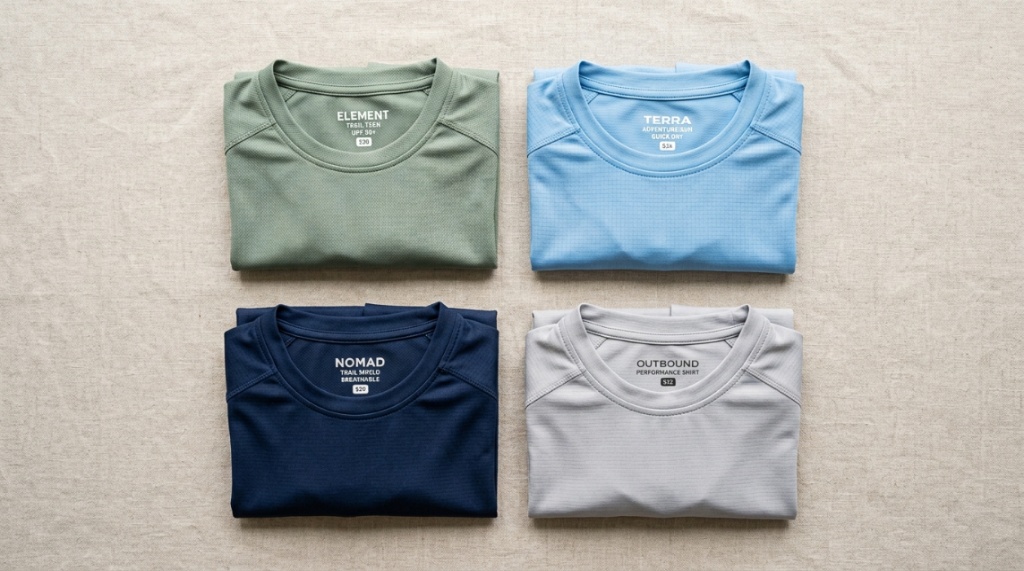
Yes, you can find effective cooling long sleeve shirts under $30, but you have to be selective. Look for brands that specialize in outdoor basics rather than fashion labels. Many budget-friendly options come from stores like Target, Walmart, or online marketplaces. The trade-off is often simpler designs or fewer features like thumbholes or ventilation panels. However, for basic sun protection and cooling, these shirts perform surprisingly well. Just verify the UPF rating and fabric composition before buying.
How Do Affordable Women’s Options Compare to Men’s?
Women’s cooling sun shirts often feature more tailored fits, shorter lengths, and different color palettes. The technology is identical, but sizing and cut vary significantly. If you are shopping for a women’s shirt, pay close attention to sleeve length and torso fit. Many affordable options for women are just as effective as men’s versions when selected carefully. For a comprehensive selection of women’s shirts that balance cost and performance, check out our curated list of cooling long sleeve shirts that have been tested for real-world use.
Which Brands Offer the Best Value for Cooling Sun Shirts?
Brands like Columbia, Baleaf, Coolibar, and REI Co-op offer consistent quality at reasonable prices. Columbia’s PFG line is affordable and widely available. Baleaf offers excellent value on Amazon with UPF 50+ and moisture-wicking features. Coolibar specializes in sun protection but costs more. REI Co-op’s store brand provides good performance for the price. Avoid no-name brands that do not provide specific fabric details or UPF certifications. Stick with established outdoor or sportswear brands for reliability.
How to Ensure a Proper Fit for Cooling and Comfort
A proper fit is crucial for both cooling and sun protection. The shirt should be loose enough to allow air circulation but not so baggy that fabric bunches up and reduces coverage. Sleeves should cover your wrists even when you raise your arms. The collar should not gap. For the best cooling effect, a slightly loose fit allows air to flow between the fabric and your skin. Tight shirts trap heat and sweat, reducing the cooling effect. Always check the size chart and read reviews about fit before purchasing.
Frequently Asked Questions
Do cooling long sleeve shirts actually keep you cooler than regular shirts?
Yes, when made with moisture-wicking and breathable fabrics, they keep you cooler by pulling sweat away from your skin and allowing it to evaporate quickly. Regular cotton shirts trap heat and moisture, making you feel hotter.
Can I wear a cooling sun shirt in the water?
Yes, many are designed for water use and dry quickly. Look for chlorine-resistant fabrics if you plan to swim regularly. Check the care label to ensure the UPF rating holds up after exposure to saltwater or pool chemicals.
How often should I replace a cooling sun shirt?
Replace it when you notice the fabric becoming thin, losing shape, or when the UPF rating no longer feels effective (e.g., you start getting sunburned through the shirt). Typically every 1 to 2 years with regular use.
Is a higher UPF rating always better?
UPF 50+ blocks 98% of UV rays, which is sufficient for most situations. Higher ratings like UPF 100 block slightly more but offer diminishing returns. Focus on UPF 50+ as the gold standard for effective protection.
Can I use fabric softener on cooling shirts?
No. Fabric softener coats the fibers and reduces moisture-wicking ability. It can also degrade the UPF protection. Use a mild detergent instead and skip the softener.
What color offers the best sun protection?
Dark colors and bright colors generally absorb more UV rays, offering slightly better protection than pastels or white. However, UPF-rated fabric is tested regardless of color, so any color with UPF 50+ is effective.
Are expensive sun shirts worth the extra cost?
Only if you need advanced features like mechanical stretch, flatlock seams, or specialized fabric treatments. For most people, a mid-range shirt provides excellent value without overspending.
When you are building out your outdoor gear collection on a budget, every dollar counts. You don’t need to buy a single hundred-dollar designer top to stay safe from UV rays; instead, focus on UPF ratings and fabric blends. In fact, smart angling is all about maximizing value—much like choosing a budget-friendly Fishing Starter Kit That Includes Everything You Need to hit the water without breaking the bank, selecting the right sun apparel is about performance, not price tags.
Conclusion
Choosing a cooling long sleeve sun shirt without overspending comes down to understanding what truly matters: fabric technology, verified UPF ratings, and a fit that matches your activity. Skip the gimmicks and focus on proven materials like polyester or nylon blends with moisture-wicking finishes. Always verify the UPF rating and prioritize features that align with how you will use the shirt. With the right knowledge, you can find a high-performing shirt that keeps you cool, protected, and comfortable without breaking the bank. Start by checking trusted reviews and comparing specifications. Your skin and your wallet will thank you.