You’ve just bought a new pair of swim shoes, and they feel fine in the store. But after twenty minutes on rocky terrain or a sandy beach, your feet are screaming. The problem isn’t the shoes; it’s that you didn’t know what to look for. Most comfort features aren’t visible at a glance, buried in the construction details that marketing photos rarely highlight. This guide will teach you exactly how to evaluate, test, and identify the hidden comfort features swim shoes often rely on to save your feet from fatigue and injury.
What Actually Defines Comfort in a Swim Shoe?
Comfort is not just about soft padding. In swim shoes, it’s a combination of drainage, flexibility, grip, and anatomical fit. A shoe that feels plush but traps water becomes a soggy burden. The true measure of comfort is how your feet feel after two hours of continuous use, not just when you first slip them on.
Anatomy of a Comfortable Swim Shoe
Every comfortable water shoe shares three internal elements: a contoured footbed, a supportive midsole, and a seamless upper. The footbed should mirror the arch of your foot, not flatten under pressure. The midsole needs enough density to absorb shock on hard surfaces, while the upper must flex with your tendons rather than against them.
Why Sizing Changes Everything
Most people buy swim shoes too tight. Because these shoes thin out when wet, a snug fit in the store becomes constricting in the water. Look for a fit that allows your toes to spread fully and a heel that doesn’t slip when you flex your foot. A half-size up is often the secret to long-term comfort.
The Role of Drainage and Breathability
Water needs an escape route. Shoes with large drainage holes or mesh panels dry faster and prevent the “squishy” feeling that causes blisters. If water stays inside, friction increases, and your skin softens, making you prone to hotspots. Drainage is a non-negotiable comfort feature, not a luxury.
Which Materials Provide the Most Underfoot Cushioning?
Ethylene-vinyl acetate (EVA) foam and expanded thermoplastic polyurethane (e-TPU) are the gold standards for cushioned swim shoes. EVA is lightweight and absorbs shock well, while e-TPU is more durable and retains its shape longer. Avoid shoes with thin, hard rubber soles that offer zero shock absorption on rocks.
Comparing EVA and Rubber Outsoles
EVA outsoles are excellent for pool decks and boat surfaces because they’re soft and slip-resistant. Rubber outsoles, however, provide superior traction on slippery, wet rocks. The best comfort comes from a hybrid sole: rubber treads in high-wear areas with an EVA midsole for cushioning.
Memory Foam vs. Standard Foam Footbeds
Memory foam molds to your foot’s unique shape, which sounds ideal, but it can compress permanently over time. Standard EVA foam offers a springier, more responsive feel that holds up better. For swim shoes, choose a high-density EVA footbed that offers resilience over “mushy” memory foam that degrades quickly.
Why the Insole Is Your First Defense Against Fatigue
The insole is your foot’s direct contact point. If it’s flat and thin, every pebble feels like a boulder. Look for insoles with a slight heel cup and arch support. These features reduce strain on your plantar fascia, which is especially important when you’re walking on uneven natural terrain.
How Does Flexibility Impact Comfort and Foot Health?
A flexible shoe allows your foot to move naturally, which prevents cramping and improves blood circulation. However, too much flexibility in the wrong place can cause instability. The ideal swim shoe bends at the metatarsal heads but remains torsionally stiff in the middle to protect your arch,Before testing modern footwear innovations for your next beach trip, you might enjoy learning more about the heritage and origins behind the history of the coastline swimming club.
The “Finger Test” for Flexibility
Hold the shoe at both ends and twist it. If it twists easily in the middle like a wet towel, it’s too flexible and lacks support. If the sole bends mainly at the ball of the foot area, you have a shoe that works with your stride. This simple test reveals a lot about hidden comfort.
Outsole Grooving and Flex Zones
Many manufacturers carve flex grooves into the outsole to help the shoe bend more efficiently. These grooves should align with your foot’s natural bending points. If they don’t, the shoe will resist your movement, leading to foot fatigue and even plantar fasciitis over time.
Rigid vs. Flexible Arch Support
Your arch needs support, but it also needs to move. A rigid, high arch support can cause discomfort if you have flat feet. Look for a “neutral” arch design that provides mild support without forcing a specific foot type into an uncomfortable position.
Can Drainage Holes Influence Overall Comfort Level?
Yes, absolutely. Drainage holes located under the insole permit water to exit when you lift your foot, which reduces weight load and prevents skin maceration. Shoes without proper drainage force you to carry extra water weight, which accelerates muscle fatigue. Comfort is significantly improved with optimal drainage systems.
Where Should Drainage Holes Be Placed?
The best placement is on the side walls and the bottom of the shoe. Side holes allow water to escape while walking, while bottom holes help on boat decks. Be cautious of holes that are too large, as they can allow small pebbles inside, which destroys comfort.
How to Test Drainage Effectiveness in Store
You can’t easily test water flow in a store, but you can check the hole size and location. Place your hand inside the shoe and see if you can feel the holes. If you can’t, they’re likely too small for adequate drainage, meaning water will get trapped against your skin.
The Significance of Quick-Drying Liners
A liner that wicks moisture away keeps your feet dry and comfortable. Look for mesh linings made from polyester or nylon. Avoid cotton linings, which absorb water, stay wet, and create a breeding ground for blisters and odors.
What Hidden Features Prevent Blisters and Chafing?
Blisters occur when moisture, friction, and pressure combine. Hidden features like seamless toe boxes, flat-lock stitching, and padded heel collars effectively reduce these friction points. A shoe that feels smooth inside but has visible external stitching is a prime candidate for comfort.
Seamless Toe Box Construction
The toe area is where blisters often form. Traditional stitching creates raised edges that rub against your skin. A seamless toe box, produced by thermal bonding or molding, eliminates these protrusions entirely. This is a major, yet often unadvertised, comfort booster.
Internal Heel Grips and Achilles Padding
Heel slippage can cause blisters on your Achilles tendon. Many quality shoes include inside heel grips or padded collars that hold your foot in place. When testing, push your heel backwards in the shoe; there should be minimal movement, and the collar should feel plush.
The Importance of Flat-Lock Stitching
Flat-lock stitching keeps seams flat against the shoe’s interior rather than protruding inward. This is different from standard stitching which creates a ridge. Run your fingers along the inner edges of the shoe to feel for any bumps or ridges that could cause chafing.
How Should a Swim Shoe Fit to Maximize Comfort?
A swim shoe should fit like a snug glove for your foot, not like a loose slipper. Your toes should reach the front edge without being cramped. The heel should lift slightly when you stand but shouldn’t slide out. The best fit allows natural foot movement.
Toe Space and Width Considerations
Your toes need room to splay, especially on uneven ground. A narrow toe box will cramp your toes, reducing balance and causing pain. Look for shoes labeled “wide” or with a foot-shaped toe design.
Heel Fit and Lock Techniques
If your heel slips more than a quarter-inch, the shoe is too wide or the lacing system is poor. Look for heels with a firm heel counter and lacing that can be tightened at the top. A secure heel prevents friction and the feeling of the shoe slipping off.
Break-In Duration and Material Stretch
Some materials, like neoprene, stretch more than others. If a shoe is 100% neoprene, it will stretch about half a size after a few wears. A shoe with a rigid mesh, however, won’t stretch much. Factor this into your sizing purchase to ensure lasting comfort.
Why Are Shock-Absorbing Insoles Critical for Walking?
Surf shoes are often worn for walking on hard, wet sand or concrete paths to reach surfing spots. That ground surface sends repeated shock waves up your legs. A shock-absorbing insole dissipates this energy, reducing stress on your joints.
Types of Shock-Absorbing Materials (EVA, Polyurethane, Gel)
EVA is lightweight and offers reasonable shock absorption. Polyurethane is denser and more durable but heavier. Gel insoles provide excellent targeted cushioning but can be less breathable. For swim shoes, EVA generally balances weight and comfort best.
Heel Cup Depth and Its Impact
A deep heel cup cradles your heel’s fat pad, which acts as a natural shock absorber. It stabilizes the heel bone and improves the alignment of your foot. Minimal heel cups lead to instability and greater impact on your joints.
Arch Support and Pronation Control
If you overpronate (flat feet), you need a more supportive shoe to prevent excessive inward rolling. If you have high arches, you need more cushioning to absorb shock, not more support. The shoe’s midsole geometry dictates this, so look for specific arch guidance.
What Sort of Lacing Systems Enhance Foot Comfort?
Quick-lace systems that distribute pressure evenly across the instep outperform traditional laces. They eliminate pressure points caused by uneven tightening. Additionally, bungee laces provide a consistent fit without constant adjustment.
Lock-Lace Mechanisms vs. Traditional Ties
Traditional laces can slip and become uneven if they get wet. Lock-lace systems use a cord that you pull and cinch, which locks in place securely. This ensures the shoe feels the same every minute you wear it, without adjusting.
The Impact of Additional Side Ports or Straps
Some shoes feature extra ports or straps. These add a layer of security and allow you to fine-tune the volume of the shoe. However, if they dig into your foot, they are a hindrance. Look for padded straps.
How to Adjust for a Secure Yet Comfortable Fit
When tightening, focus on ensuring the midfoot is snug but not gripping. There should be no pinching. The lacing should hold the heel down and prevent forward sliding. A well-adjusted fit reduces fatigue.
Which Sock-Like Swim Shoes Offer the Best Comfort?
Sock-like swim shoes, made from neoprene or stretchy knit, offer a barefoot feel with the slip-on convenience. However, their thin soles don’t provide much impact protection. Comfort is only relative if you use them primarily in the water, not on sharp rocks.
Pure Neoprene vs. Knit Fabric Construction
Neoprene stretches and wraps around the foot, providing a warm, snug fit. Knit is more breathable and dries faster. For comfort, choose knit for warmer climates and neoprene for colder water. The fit varies slightly.
When Are Sock Shoes Uncomfortable?
Sock shoes are uncomfortable when they’re too tight to put on, causing friction at the Achilles entry point. Or they lack any arch support, which leads to flat foot fatigue quickly. They only work if the shoe has a separate insole.
Balancing Barefoot Feel vs. Cushioning
A true barefoot feel has zero padding, which is uncomfortable for those not used to it. A moderate approach combines a thin, flexible outer sole with a comfortable insole. This feels natural but offers protection.
How Do Different Strap and Webbing Designs Affect Fit?
Straps and webbing distribute pressure. However, if they are poorly designed, they will cut into the ankle or dorsal foot surface. The best designs have adjustable straps at the heel and instep for custom comfort.
Heel Straps: Necessary or Not?
Heel straps are necessary for many people to prevent the shoe from slipping, especially in mud or silt. They should be wide and padded. A thin, rigid strap can cause abrasions.
Vamp Strap Adjustability for High Insteps
If you have a high instep, a fixed vamp without adjustability causes foot compression. Look for a hook-and-loop strap over the instep or an elastic panel that gives your foot room. It needs to be adjustable.
Avoiding Pressure Points from Overly Tight Webbing
Overly tight webbing across the top of the foot restricts blood flow and numbs nerves. When trying on shoes, walk around for ten minutes to gauge if any tingling occurs. Comfort means no numbness.
How Do You Test Comfort in a Physical Store?
In-store testing isn’t about stepping on a pressure mat. It’s about simulating activity. Find stairs or an inclined ramp to test grip and flex. The shoe should bend naturally with your foot on an incline without causing strain.
The 10-Minute Walking Test
Wear the type of socks you intend to use. Walk briskly around the store for at least ten minutes. Notice any hot spots on your heel or sides of your toe. If they develop immediately, they will worsen in the water.
Probing the Insole for Arch Support
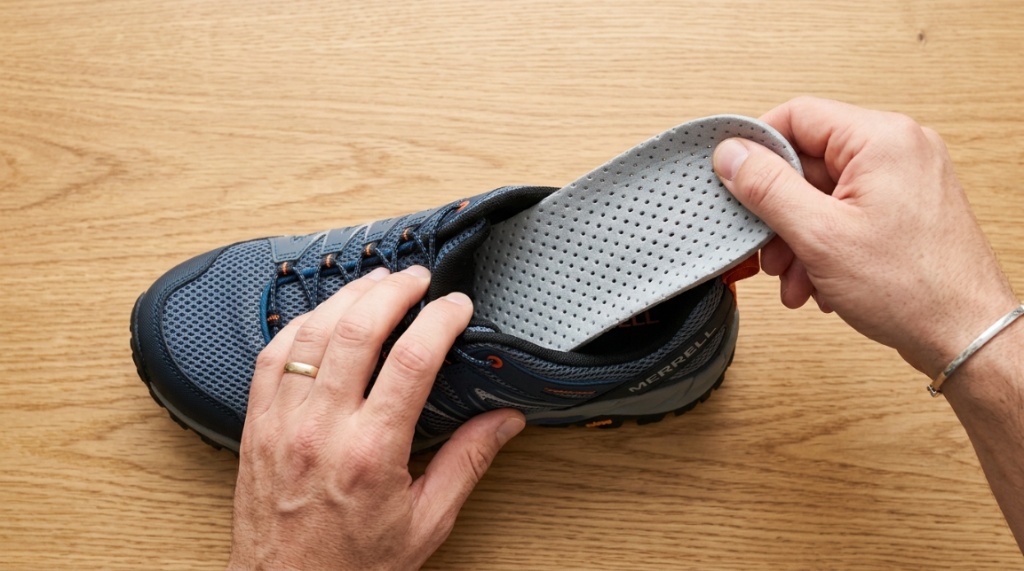
Remove the insole and press your thumb into it. If the insole collapses completely and you can feel the bottom of the shoe, it’s too thin. It should spring back up and provide resistance to pressure.
Checking for Interior Ridges and Lumps
Run your hand across the entire interior lining. Again, feel for seams or bumps that rub against your foot. This tactile inspection is actually more accurate than just looking at them, revealing hidden discomfort sources.
When evaluating new water gear, flexibility and proper construction are far more important than a brand logo. If you are planning trips across varied terrains—from sandy beaches to rocky riverbeds—choosing a pair with genuine ergonomic engineering is essential. For a deep dive into top-rated models that strike the perfect balance of cost and ergonomic support, explore trusted reviews that examine hidden comfort features swim shoes in competitive lineups.
How Important Are Removable Insoles for Long-Term Comfort?
Removable insoles are critical for maintenance but also for customization. You can replace the stock insole with orthotics. If the insole is glued in, you lose that ability, which reduces long-term comfort options.
Ease of Cleaning and Drying
A removable insole can be taken out to dry separately if it gets soaked with salt water. This prevents mildew, smells, and material degradation. It’s a comfort feature that works over time, not at first glance.
The Ability to Replace with Custom Orthotics
If you have high arches, you may want to swap the insole with a custom molded one. Without a removable insole, you’re stuck with a generic shape. Thus, the removable insole is a serious hidden comfort feature.
Risks of Insole Slippage
If an insole is poorly fitted or slides around, it creates wrinkles in your shoe, which causes blisters. You need to occasionally secure it with adhesive. Comfort means ensuring your insole stays in place.
Frequently Asked Questions
Are swim shoes supposed to be tight or loose?
Swim shoes should fit snugly but not tight. Your toes should not be pressed against the front, and your heel should not slide when walking. Aim for a glove-like fit that has zero pinching.
How can I make my swim shoes more comfortable?
You can add a cushioned insole for extra arch support, wear thin neoprene socks to prevent abrasions, or use a shoe dryer to maintain shape. Proper sizing is the most important factor.
Do swim shoes stretch when wet?
Most swim shoes, especially those made from neoprene, stretch slightly when wet. However, shoes made from rigid mesh do not stretch. Always consider the material when sizing.
Why do my feet hurt after wearing water shoes?
Pain is usually caused by inadequate arch support, a thin sole, or the shoe being too narrow for your foot. Look for a model with a distinct contoured footbed and a wider toe box.
What is the difference between water shoes and aqua socks?
Water shoes have a rubber outsole and moderate cushioning, making them suitable for walking on rocks. Aqua socks are lightweight, non-slip, and sock-like, with thinner soles designed primarily for pool use.
Can I wear swim shoes for hiking?
Yes, but only on wet trails or water crossings. On dry, rocky trails, their soft soles wear out quickly and provide little lateral support. It’s better to transition to dry land hiking shoes.
How long should swim shoes last?
A quality pair of swim shoes should last 6-12 months with regular use. Prolonged exposure to sun, chlorine, or salt water can degrade materials faster, reducing their lifespan and comfort.