

The concrete and masonry world gathers in Las Vegas every winter. In 2027, the dates are January 19–21. World of Concrete 2027 brings contractors, suppliers, engineers, and equipment makers under one roof. Visitors see new machines, learn new skills, and meet people who can grow their business.
This guide covers everything you need to plan your trip. You will find the schedule, product launch trends, workshop topics, and practical attendee tips. Please note that organizers may update details. Therefore, confirm final times and room numbers on the official show website before you travel.
Why This Trade Show Matters
The show is the largest annual gathering for the commercial concrete and masonry industries in North America. Thousands of professionals walk the halls each year. They come to compare tools, test equipment, and trade ideas.
There are three big reasons to attend.
- Hands-on demos: You can watch machines work and ask questions on the spot.
- Education: Experts teach practical lessons you can use on the next job.
- Networking: You can meet buyers, sellers, and partners face to face.
Additionally, the show gives small firms a rare chance to meet global brands. A crew owner from a small town can chat with an engineer from a major equipment maker in minutes. That kind of access is hard to find online.
Event Dates, Location, and Quick Facts
The show takes place in Las Vegas, Nevada, at the Las Vegas Convention Center. This venue offers huge indoor halls and large outdoor areas. As a result, exhibitors can show full-size machines in real working conditions.
Here is a quick summary of the key facts.
| Detail | Information |
| Event dates | January 19–21, 2027 |
| City | Las Vegas, Nevada, USA |
| Venue | Las Vegas Convention Center |
| Audience | Contractors, builders, suppliers, engineers, and dealers |
| Main features | Exhibits, live demos, workshops, and networking |
| Registration | Online through the official show website |
Remember that the show runs for three days. However, education sessions often start before the exhibit halls open. Therefore, check your session times early.
Event Schedule: What to Expect Each Day
Organizers usually publish the full program a few months ahead. Past shows followed a steady pattern, so you can plan with confidence. The outline below shows a typical flow for the three days.
Day One: Tuesday, January 19
The first day sets the tone. Doors open in the morning, and the opening crowd moves fast. Many visitors head straight to the biggest booths. Others join early workshops.
Expect a strong mix of keynote talks, product reveals, and demo sessions. Furthermore, the first day often has the longest lines for registration. Arrive early, and you will save time.
Day Two: Wednesday, January 20
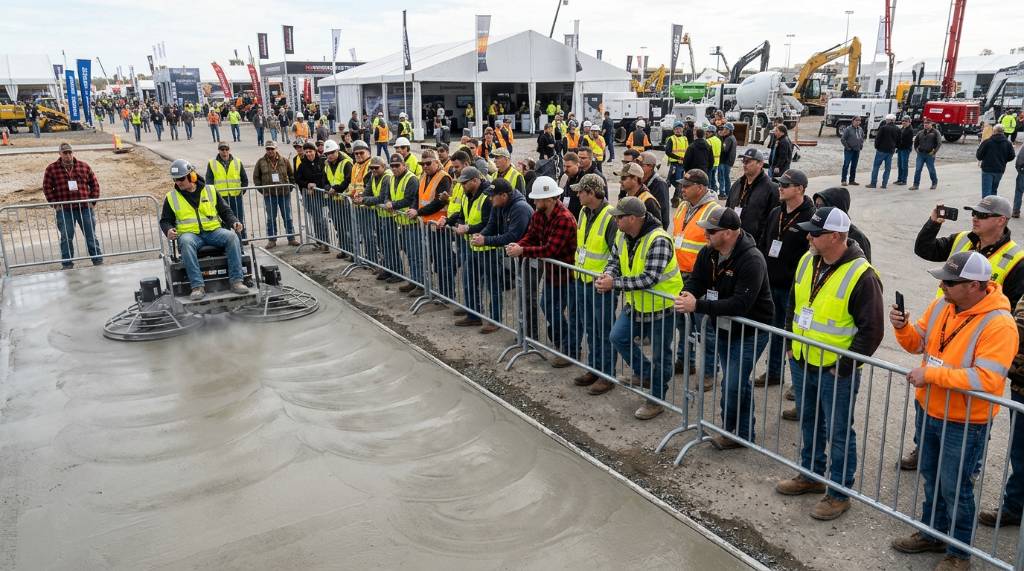
The middle day is usually the busiest. Exhibit halls fill with buyers, and the outdoor areas buzz with engines. Most workshops run at full capacity on this day.
Additionally, many companies host customer events in the evening. These gatherings give you a relaxed place to talk business. Bring plenty of business cards.
Day Three: Thursday, January 21
The final day feels calmer. Crowds thin out, so you can spend more time at each booth. Exhibitors have more time to talk, and some offer special deals.
However, the last day also ends earlier at many shows. Therefore, plan your must-see stops for the morning.
Sample Daily Planner
Use this simple table to organize your time.
| Time Block | Suggested Activity |
| Early morning | Pick up your badge and review the floor map |
| Mid-morning | Attend a workshop or keynote |
| Late morning | Visit top-priority exhibitors |
| Lunch | Meet a contact or rest your feet |
| Afternoon | Watch live demos outdoors |
| Evening | Join a networking event |
Product Launches: What New Gear to Watch
New products draw many people to the show. Exhibitors save their biggest news for this stage. Although the official launch list appears closer to the event, past years show clear trends. Based on those trends, here are the categories to watch.
Concrete Placing and Finishing Tools
Finishing crews want faster and lighter tools. Makers keep improving power trowels, screeds, and edgers. Many new models cut fatigue and improve surface quality. In addition, battery-powered options keep growing, so fewer cords and fumes slow down the crew.
Mixing and Batching Equipment
Mixer makers focus on accuracy and speed. Modern batching systems track each load in real time. Consequently, contractors waste less material and save money. You will likely see compact mixers for small sites and large plants for big projects.
Cutting, Coring, and Grinding Machines
Saw and drill brands compete on dust control and power. Newer machines use smarter sensors and better blades. Dust systems also get stronger each year, which helps crews meet safety rules. Visit these booths to compare blade life and cutting speed.
Robotics, Drones, and Jobsite Technology
Technology takes up more floor space every year. Layout robots mark floors with high accuracy. Drones scan large slabs in minutes. Meanwhile, software tools link the office with the field, so teams share updates instantly.
Ask exhibitors for live demonstrations. A short demo tells you more than any brochure.
Sustainable and Low-Carbon Materials
Green building continues to shape the industry. Suppliers show low-carbon cement blends, recycled aggregates, and curing aids that cut waste. Furthermore, many buyers now ask for lower emissions on bids. Therefore, these booths deserve a stop, even if you only plan to learn.
Safety Gear and Worker Support
Safety products matter on every site. Look for better respirators, lighter harnesses, and smart wearables. Some brands also show training tools for new hires. Strong safety habits protect workers, and they also lower insurance costs.
Workshops and Education Sessions
The education program is a major reason people attend. Experts lead short courses that focus on real jobsite problems. Sessions range from beginner basics to advanced technical topics.
Common workshop themes include the following.
- Concrete repair and restoration
- Decorative concrete and stamped finishes
- Masonry methods and wall systems
- Estimating, bidding, and project management
- Hiring and training skilled workers
- Safety rules and silica dust control
- Jobsite technology and digital tools
- Sustainable building practices
Hands-On Learning
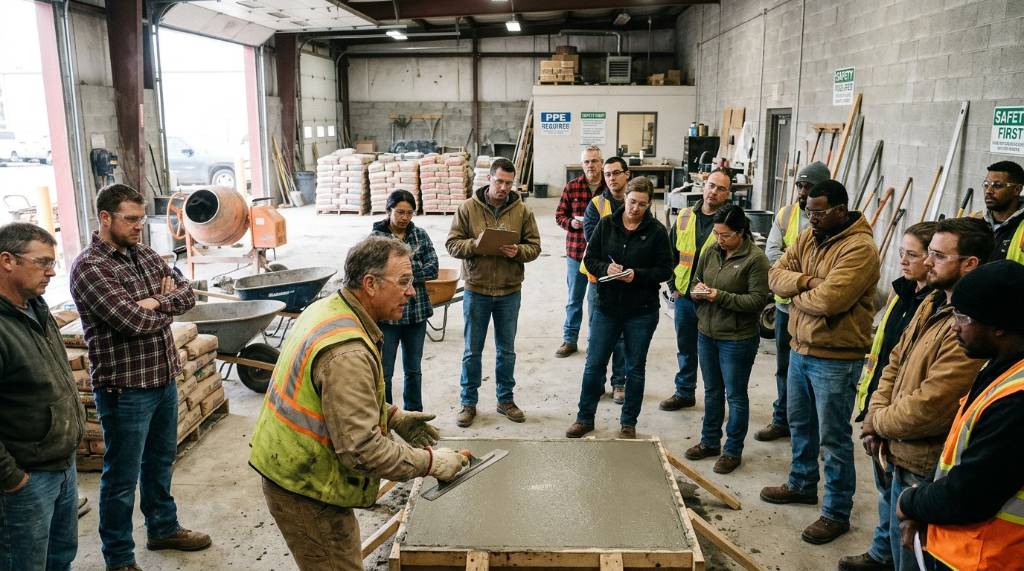
Some sessions let you try tools yourself. These classes help crews learn faster than a lecture does. You can ask the instructor questions while you work. Therefore, hands-on classes often fill up first.
Business Skills Sessions
Good tradespeople do not always run good companies. For that reason, many sessions teach business basics. Topics include pricing, cash flow, marketing, and leadership. Owners can leave with ideas they can use the next week.
Certification and Credits
Some sessions offer continuing education credits. Engineers, architects, and inspectors often need these credits to keep their licenses. Check each session description for credit details. Additionally, ask the show staff if you need proof of attendance.
Tips to Choose the Right Sessions
- Pick two or three sessions that match your biggest challenge.
- Read the speaker bio before you decide.
- Arrive ten minutes early for popular topics.
- Leave time to walk between rooms.
Attendee Information: Plan Your Trip
Good planning makes the show easier and cheaper. Use the following advice to prepare.
Registration and Badges
Register online before the show. Early sign-ups often cost less, and they let you skip the longest lines. Bring a photo ID and your confirmation. Note that the show serves the trade, so organizers may ask for proof of your industry role. Check the website for current rules and prices.
Getting There and Getting Around
Las Vegas has a major airport, and many hotels sit close to the convention center. Shuttles, taxis, ride-share services, and the monorail all connect the area. However, traffic can slow down during big events. Therefore, leave early each morning and allow extra time.
Where to Stay
Hotels near the venue fill up quickly in January. Book as soon as you confirm your plans. Many hotels offer special rates for show visitors. Compare prices, and also check how far you must walk each day.
What to Wear and Pack
You will walk many miles. Therefore, comfortable shoes matter most. Pack layers because indoor halls feel cool while outdoor areas can feel chilly in winter. Bring a light backpack, a phone charger, water, and business cards. Additionally, carry a small notebook for quick notes.
Budget Planning
Costs add up fast. Plan for the items below.
| Expense | Planning Tip |
| Registration | Sign up early for lower rates |
| Flights | Compare prices several weeks ahead |
| Hotel | Book near the venue to save travel time |
| Meals | Eat a big breakfast to cut lunch costs |
| Local travel | Use shuttles or share rides with colleagues |
Networking Tips
Networking works best with a plan. Set a goal before you arrive. For example, aim to meet five new suppliers or three possible partners. Then follow up within a week. A short email after the show keeps the new contact alive.
Tips to Get the Most from the Show
To make the trip worth the cost, follow these simple steps.
- Study the floor map before day one.
- Mark your top ten exhibitors.
- Take photos of products and booth signs.
- Collect brochures digitally when possible.
- Rest during the day, so you stay sharp.
- Write notes each evening while ideas feel fresh.
Finally, bring your team. Each person can cover different halls and sessions. Afterward, share what you learned over a team meeting.
Conclusion
World of Concrete 2027 offers three busy days of learning, buying, and networking in Las Vegas from January 19–21, 2027. The schedule blends exhibits, live demos, and expert workshops. Product launches will likely focus on faster tools, smarter machines, robotics, and low-carbon materials. Additionally, the education sessions cover both technical skills and business growth.
To prepare, register early, book your hotel soon, and pick your sessions in advance. Pack comfortable shoes and set clear goals. Above all, check the official website for final details, since organizers can change times and rules. With a good plan, you will return home with new ideas, new contacts, and new tools for your next project.
Frequently Asked Questions
1. When is World of Concrete 2027?
The show runs January 19–21, 2027.
2. Where does the event take place?
It takes place at the Las Vegas Convention Center in Las Vegas, Nevada.
3. Who should attend?
Contractors, masons, builders, engineers, suppliers, dealers, and equipment buyers all benefit from the show.
4. How do I register?
Register online through the official show website. Early registration often saves money and time.
5. Is there a cost to attend?
Prices vary by pass type and by sign-up date. Visit the official website for current rates.
6. Can I attend workshops without a special ticket?
Some sessions are free with registration, while others need a paid education pass. Check each session listing before you book.
7. Will exhibitors launch new products?
Yes. Exhibitors often reveal new machines, tools, and materials during the show. Many also host live demos.
8. Can I earn continuing education credits?
Some sessions offer credits. Review the session details, and ask staff about proof of attendance.
9. What should I wear?
Wear comfortable shoes and dress in layers. You will walk a lot, and temperatures change between indoor and outdoor areas.
10. How can I get the most value from the trip?
Plan your visit ahead of time. Choose key sessions, mark top exhibitors, set networking goals, and follow up with new contacts after the show.

