Creating an environmentally conscious kitchen starts with choosing the right products for daily tasks. Natural fiber dish towels represent one of the simplest yet most impactful switches you can make. Eco Friendly Party advocates for sustainable kitchen choices that reduce environmental impact while maintaining functionality.
The Environmental Impact of Kitchen Textiles
Traditional synthetic dish towels contribute significantly to microplastic pollution and landfill waste. These petroleum-based products shed tiny plastic fibers during washing cycles. However, natural fiber alternatives offer biodegradable solutions that align with eco-friendly living principles.
When building a comprehensive green kitchen, consider exploring 20 sustainable kitchen products for an eco friendly home kitchen to create a cohesive sustainable space. Natural fiber dish towels serve as an excellent starting point for this transformation.
Understanding Natural Fiber Options
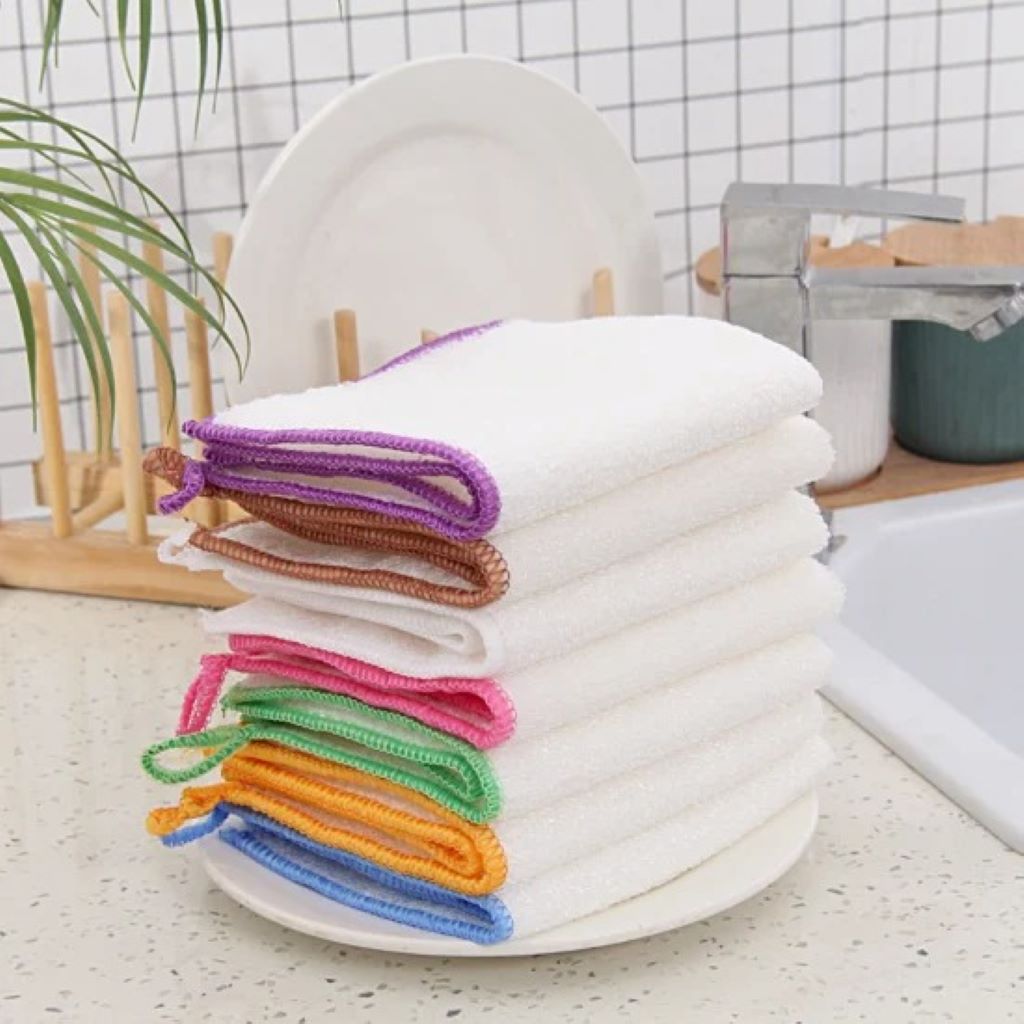
Several natural materials excel as dish towel options, each offering unique benefits. Understanding these materials helps you choose the best option for your specific needs. Additionally, knowing the characteristics of each fiber ensures optimal performance and longevity.
Organic Cotton Dish Towels
Organic cotton provides excellent absorbency and softness for kitchen use. These towels become more absorbent with each wash cycle. Furthermore, organic cotton production avoids harmful pesticides and chemicals that damage soil and waterways.
Linen Kitchen Towels
Linen offers superior durability and naturally antimicrobial properties. These towels dry quickly, preventing bacterial growth and odors. Moreover, linen becomes softer and more absorbent over time, making it a long-term investment.
Bamboo Fiber Alternatives
Bamboo grows rapidly without pesticides, making it highly sustainable. Bamboo towels possess natural antibacterial qualities and exceptional absorbency. However, processing methods vary significantly, so choosing responsibly manufactured options remains important.
Hemp Dish Towels
Hemp represents one of the most sustainable textile options available. These towels resist mold and mildew while maintaining strength through countless wash cycles. Additionally, hemp cultivation improves soil health and requires minimal water.
Benefits of Switching to Natural Fibers
Making the transition from synthetic to natural fiber dish towels provides numerous advantages. These benefits extend beyond environmental considerations to include practical kitchen improvements. Therefore, understanding these advantages helps justify the initial investment.
Superior Absorbency Performance
Natural fibers naturally absorb moisture more effectively than synthetic alternatives. Cotton and linen towels can hold multiple times their weight in water. Furthermore, this absorbency improves with proper care and regular washing.
Reduced Chemical Exposure
Synthetic towels often contain chemical treatments and dyes that transfer to dishes and surfaces. Natural fiber towels minimize exposure to these potentially harmful substances. Additionally, choosing organic options further reduces chemical contact in your kitchen.
Enhanced Durability and Longevity
Quality natural fiber towels last significantly longer than synthetic versions. Proper care can extend their lifespan to several years of regular use. However, this durability depends on choosing well-made products and following care instructions.
Comparing Natural Fibers to Synthetic Alternatives
Understanding the differences between natural and synthetic options helps inform purchasing decisions. This comparison reveals why natural fibers represent superior choices for eco-conscious consumers. Moreover, examining these differences highlights long-term benefits that offset higher initial costs.
Microplastic Pollution Prevention
Synthetic towels release microplastics during every wash cycle, contaminating water systems. According to National Geographic, these particles have been found in the deepest ocean trenches, demonstrating the global scope of this pollution. Natural fibers eliminate this problem entirely.
Biodegradability Advantages
Natural fiber towels decompose completely at the end of their useful life. Synthetic alternatives persist in landfills for hundreds of years. Therefore, choosing natural options supports circular economy principles and reduces long-term waste.
Performance in Kitchen Environments
Natural fibers handle kitchen tasks more effectively than synthetic materials. They absorb grease, dry surfaces thoroughly, and maintain cleanliness through multiple uses. Additionally, they withstand high-temperature washing required for kitchen hygiene.
Choosing the Right Natural Fiber Towels
Selecting quality natural fiber dish towels requires understanding key factors that affect performance. These considerations ensure you choose products that meet your kitchen needs while supporting sustainability goals. Furthermore, making informed choices maximizes your investment value.
Weight and Thickness Considerations
Heavier towels generally offer better absorbency and durability. Look for towels weighing at least 400 GSM (grams per square meter) for optimal performance. However, balance weight against drying time and storage convenience.
Weave Patterns and Textures
Different weave patterns affect absorbency, durability, and appearance. Waffle weaves provide excellent surface area for absorption. Meanwhile, flat weaves offer versatility for various kitchen tasks.
Size and Practical Dimensions
Standard dish towel sizes range from 16×24 inches to 18×28 inches. Larger towels handle bigger spills and cover more surface area. Additionally, consider having multiple sizes for different kitchen tasks.
Proper Care and Maintenance
Extending the life of natural fiber dish towels requires proper care techniques. Following these guidelines ensures optimal performance throughout their lifespan. Moreover, correct maintenance preserves their eco-friendly benefits by maximizing usage time.
Washing Best Practices
Wash natural fiber towels in hot water to maintain hygiene standards. Use eco-friendly detergents without fabric softeners, which reduce absorbency. Additionally, avoid bleach that weakens natural fibers over time.
Drying Methods
Air drying preserves fiber integrity and reduces energy consumption. However, machine drying on medium heat remains acceptable for convenience. Furthermore, proper drying prevents mold and mildew growth that shortens towel lifespan.
Storage and Organization
Store clean, dry towels in well-ventilated areas to prevent musty odors. Fold towels loosely to maintain their shape and texture. Additionally, rotate towels regularly to ensure even wear across your collection.
Cost Analysis and Value Proposition
While natural fiber towels often cost more initially, they provide superior long-term value. Understanding this economic equation helps justify the sustainable choice. Therefore, examining total cost of ownership reveals the true financial benefits.
Initial Investment Comparison
Quality natural fiber towels typically cost 2-3 times more than basic synthetic alternatives. However, this price difference reflects superior materials and construction. Additionally, higher-end synthetic towels often cost similar amounts without offering the same benefits.
Long-Term Savings Calculation
Natural fiber towels lasting 3-5 years provide better value than synthetic towels requiring annual replacement. Factor in replacement costs, performance benefits, and environmental impact for accurate comparison. Furthermore, consider the value of supporting sustainable manufacturing practices.
Supporting Sustainable Manufacturing
Choosing natural fiber dish towels supports environmentally responsible manufacturing processes. These production methods minimize environmental impact while supporting fair labor practices. Additionally, supporting sustainable brands encourages industry-wide improvements.
Organic Certification Importance
Look for certifications like GOTS (Global Organic Textile Standard) that ensure sustainable production. These standards cover environmental criteria and social conditions throughout the supply chain. However, certification adds costs that reflect in higher prices.
Local and Regional Options
Supporting local textile manufacturers reduces transportation emissions and supports regional economies. Many areas have small-scale producers creating quality natural fiber products. Therefore, research local options before purchasing imported alternatives.
Integration with Eco-Friendly Kitchen Systems
Natural fiber dish towels work best as part of comprehensive sustainable kitchen systems. Coordinating with other eco-friendly practices maximizes environmental benefits. Moreover, systematic approaches create more significant impact than isolated changes.
Complementary Sustainable Products
Pair natural fiber towels with bamboo cutting boards, glass storage containers, and compostable cleaning supplies. This coordination creates cohesive sustainable kitchen environments. Additionally, using compatible products often improves overall performance.
Waste Reduction Strategies
Natural fiber towels reduce reliance on paper towels and disposable cleaning products. Calculate your potential waste reduction by tracking current paper towel usage. Furthermore, consider the cumulative environmental impact of these small daily changes.
Conclusion
Natural fiber dish towels represent essential components of eco-friendly kitchens, offering superior performance while supporting environmental sustainability. These products provide excellent absorbency, durability, and biodegradability compared to synthetic alternatives. Additionally, they reduce microplastic pollution and chemical exposure in kitchen environments. While initial costs may be higher, the long-term value proposition favors natural fibers through extended lifespan and better performance. Furthermore, supporting sustainable manufacturing practices contributes to positive environmental change. Making the switch to natural fiber dish towels creates immediate benefits while supporting broader sustainability goals for environmentally conscious households.
Frequently Asked Questions
Q: How long do natural fiber dish towels typically last with regular use? A: Quality natural fiber dish towels can last 3-5 years with proper care and regular use. Factors like washing frequency, care methods, and initial quality affect lifespan. Proper maintenance significantly extends their useful life.
Q: Are natural fiber dish towels more expensive than synthetic alternatives? A: Initially, natural fiber towels cost 2-3 times more than basic synthetic options. However, their longer lifespan and superior performance provide better long-term value. Consider total cost of ownership rather than just purchase price.
Q: Do natural fiber towels require special washing instructions? A: Natural fiber towels require hot water washing for hygiene and should avoid fabric softeners that reduce absorbency. Use eco-friendly detergents and avoid bleach that weakens fibers. Air drying preserves fiber integrity best.
Q: Which natural fiber works best for dish towels in busy kitchens? A: Linen offers the best combination of durability, quick drying, and antimicrobial properties for busy kitchens. Hemp provides excellent longevity, while organic cotton offers superior softness and absorbency for gentler tasks.
Q: Can natural fiber dish towels handle grease and heavy-duty kitchen cleaning? A: Yes, natural fibers excel at absorbing grease and handling tough kitchen tasks. Linen and hemp particularly resist staining and maintain absorbency through heavy use. Hot water washing effectively removes grease and maintains hygiene.
Read More: