You style your hair in the morning and it looks great. By lunch, it’s frizzy, flat, or has started doing its own thing. This is one of the most common frustrations — and it usually comes down to a few fixable issues: moisture imbalance, product buildup, and friction. The right combination of preparation and lightweight products makes a bigger difference than any single trick. If you want to understand how finishing products fit into a smooth-hair routine, check this out for one example of how a finishing spray works. Below, you’ll find practical steps to keep your hair smooth from morning to night.
Quick Answer
Keep hair smooth all day by starting with properly cleansed, conditioned hair, applying a lightweight leave-in or finishing product to damp hair, and avoiding touching your hair unnecessarily. The main enemies of all-day smoothness are humidity, friction, and product buildup. A silk pillowcase, a quick mid-day refresh technique, and choosing the right product weight for your hair type will extend smoothness significantly.
Key Takeaways
- Hair smoothness starts in the shower — proper conditioning and cold-water rinses reduce frizz before styling begins.
- Product weight matters more than product type; heavy products on fine hair cause flatness, while lightweight products on thick hair may not hold.
- Touching your hair throughout the day transfers oils and disrupts the cuticle layer, causing frizz and loss of shape.
- Humidity is the biggest external factor — humectants in products can either help or hurt depending on the climate.
- A mid-day refresh with damp hands or a light mist can restore smoothness without a full restyle.
Why Hair Loses Smoothness During the Day
Hair doesn’t just “decide” to become frizzy. Several physical and environmental factors work against your morning style. Understanding these causes helps you choose the right fix instead of layering on more product.
Moisture exchange with the air. Hair is hygroscopic, meaning it absorbs and releases moisture from the surrounding air. When humidity is high, the hair shaft swells. When air is dry, it loses moisture and becomes static-prone. Both scenarios disrupt a smooth surface.
Friction and mechanical damage. Every time hair rubs against clothing, pillowcases, car headrests, or your own hands, the outer cuticle layer (the overlapping scales that create shine and smoothness) gets roughed up. Over a full day, this accumulates.
Sebum migration. Natural oils from your scalp travel down the hair shaft. For some people, this adds healthy shine. For others, especially those with fine or thinning hair, it causes stringiness and loss of volume by mid-day.
Product breakdown. Styling products don’t last forever. Humidity, heat, and time cause ingredients to separate or lose hold. A gel that looks great at 8 AM may start flaking by 2 PM.
Preparation: What to Do Before Styling
The foundation of all-day smoothness is set before you pick up a blow dryer. Skipping these steps means fighting an uphill battle later, If you spend long hours working at a desk while trying to maintain your daily wellness and grooming routine, check out our guide on how to choose a lumbar pillow for office chair use to stay comfortable all day.
Wash and Condition Correctly
Use a sulfate-free shampoo if your hair is color-treated, dry, or prone to frizz. Sulfates strip natural oils and can leave the cuticle rougher. Conditioner is non-negotiable — it smooths the cuticle and provides slip. Leave it on for at least two minutes, and rinse with cooler water to seal the cuticle.
Detangle Gently on Damp Hair
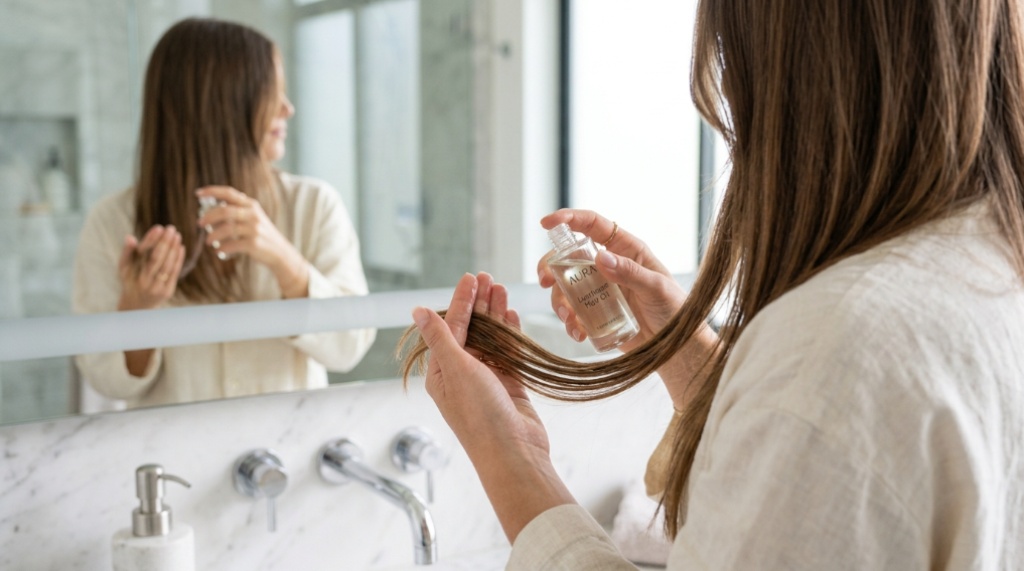
Never brush wet hair aggressively. Use a wide-tooth comb or a detangling brush, starting from the ends and working upward. This prevents cuticle damage that shows up as frizz later. A leave-in conditioner or detangling spray makes this easier.
Apply Products to Damp, Not Soaking Wet, Hair
Products distribute more evenly on damp hair, but if hair is dripping wet, the product gets diluted and won’t perform as intended. Towel-dry gently (pat, don’t rub) until hair is damp but not dripping.
Choosing the Right Products for Your Hair Type
The single biggest mistake people make is using the wrong product weight. This matters more than brand or price.
| Hair Type | Best Product Weight | Key Ingredients to Look For | What to Avoid |
|---|---|---|---|
| Fine / Thin | Lightweight | Light serums, water-based leave-ins | Heavy oils, butters, thick creams |
| Medium / Normal | Medium | Light creams, finishing sprays | Overloading with multiple heavy products |
| Thick / Coarse | Rich | Creams, oils, butters | Products too light to provide hold |
| Curly / Coily | Moisture-rich | Leave-in creams, gels, oils | Alcohol-heavy sprays that dry out curls |
If you have fine hair, a lightweight finishing spray applied after styling can smooth the surface without weighing hair down. For thick or coarse hair, a heavier cream or oil-based product provides the coating needed to tame frizz. The goal is always a thin, even layer — not saturation.
Styling Techniques That Extend Smoothness
How you dry and style your hair affects how long it stays smooth. These techniques make a measurable difference.
Blow-Dry With Direction
Point the nozzle downward, following the hair shaft from root to tip. This smooths the cuticle layer rather than ruffling it. Use a round brush to create tension, which polishes the surface. High heat without tension creates frizz — medium heat with tension creates smoothness.
Use a Cool Shot to Set
After blow-drying each section, hit it with a burst of cool air. This helps “set” the style by closing the cuticle and reducing the chance of it reverting in humidity. It takes a few extra seconds but adds hours of hold.
Don’t Over-Apply Finishing Products
A common mistake is layering serum, then oil, then spray, then more serum. This creates buildup that looks greasy and attracts dust. One well-chosen finishing product is usually enough. If you’re using a finishing spray, hold it 8–10 inches from your hair and use a light mist — not a soaking.
Protecting Your Style Throughout the Day
Once your hair is styled, the challenge shifts to maintenance. These habits prevent the slow slide into frizz and flatness.
- Stop touching your hair. Every touch transfers oil from your fingers and disrupts the cuticle. This is the single most common cause of mid-day frizz.
- Avoid tucking hair behind your ears repeatedly. This creates a bend and oil transfer at the same spot, leading to a visible crease and greasiness.
- Carry a small anti-static sheet or dryer sheet. In dry climates, running one lightly over your hair neutralizes static without adding product.
- Use a silk or satin scarf in the car. If you’re a passenger, a scarf against the headrest reduces friction. Even leaning your head forward slightly helps.
- Keep hands off in humid weather. Humidity already disrupts the cuticle; touching makes it worse.
Mid-Day Refresh Techniques
If your hair needs a pick-me-up at lunch, avoid brushing it dry (which creates frizz). Instead:
- Dampen your hands slightly with water and smooth them over the surface of your hair, focusing on flyaways.
- If you have a finishing spray, mist lightly from a distance and let it dry without touching.
- For flat roots, flip your head upside down and massage the scalp gently, then smooth the surface back down.
- A tiny drop of lightweight serum on the ends only can restore shine without greasing the roots.
Common Mistakes That Sabotage All-Day Smoothness
Even people with good routines make these errors. Fixing them often solves the problem entirely.
- Applying product to dry hair. It sits on top rather than absorbing, creating a stiff or greasy coating.
- Using too much product. More is not better. Start with less and add only if needed.
- Rubbing hair with a rough towel. This roughs up the cuticle and creates frizz before you even start styling.
- Skipping heat protectant. Heat damage accumulates over time, making hair rougher and less smooth with each styling session.
- Brushing curly or wavy hair dry. This breaks up curl clumps and creates a frizzy halo.
- Ignoring the pillowcase. Cotton pillowcases create friction overnight that undoes your morning work.
How Humidity and Climate Affect Your Routine
The same routine won’t work equally well in Miami and Phoenix. Adjust based on your environment.
In high humidity: Avoid humectants like glycerin in large amounts, as they pull moisture from the air into your hair. Look for anti-humectant ingredients like dimethicone or other silicones that create a barrier. Use a finishing spray with humidity resistance. Keep styling to a minimum.
In dry climates: Focus on moisture retention. Use leave-in conditioners and oils to prevent static and brittleness. Humectants can actually help here by drawing moisture from the air into dry hair. Avoid over-washing, which strips natural oils.
In moderate climates: Most standard routines work well. Focus on consistency rather than special adjustments.
Nighttime Habits That Protect Your Smoothness
What you do before bed determines how much work you’ll need to do in the morning.
- Sleep on a silk or satin pillowcase to reduce friction.
- Loosely tie hair in a silk scrunchie or use a claw clip to prevent tangles.
- If you have long hair, consider a loose braid to keep it contained.
- Avoid going to bed with wet hair — it causes the cuticle to stay raised and leads to morning frizz.
- Apply a small amount of leave-in conditioner or oil to ends before bed if your hair tends to dry out overnight.
Frequently Asked Questions
How can I keep my hair smooth without using heat?
Apply a lightweight leave-in conditioner to damp hair, comb it through evenly, and let it air-dry without touching it. Once dry, a small amount of serum smoothed over the surface can reduce frizz. Sleeping on a silk pillowcase also helps. The key is minimizing friction and moisture loss rather than relying on heat to seal the cuticle.
Why does my hair get frizzy a few hours after styling?
Frizz usually develops because the cuticle layer has been raised by moisture, friction, or product breakdown. If you live in a humid climate, your hair absorbs moisture from the air and swells. Touching your hair throughout the day makes it worse. A humidity-resistant finishing product and keeping your hands off your hair can significantly reduce mid-day frizz.
What’s the difference between a serum, a spray, and a cream for smoothness?
Serums are silicone-based and sit on the surface to add shine and reduce frizz — best for finishing. Sprays are lightweight and distributed evenly, making them good for fine hair or quick touch-ups. Creams are heavier and provide moisture plus hold, better for thick or coarse hair. The right choice depends on your hair weight and the level of control you need.
Can I refresh my style without washing my hair?
Yes. Dampen your hands with water and smooth them over the surface of your hair to reactivate dried product. A light mist of finishing spray or a small amount of serum on the ends can restore smoothness. Avoid brushing dry hair, as it causes frizz. For flat roots, a quick blast of dry shampoo or a gentle scalp massage can add volume without a full restyle.
Does the type of pillowcase really matter for hair smoothness?
Yes. Cotton pillowcases create friction that roughens the cuticle and causes tangles. Silk and satin create less friction, helping hair retain smoothness overnight. This is a low-effort change that makes a noticeable difference, especially for people with fine, curly, or damaged hair. It also helps prevent breakage over time.
How often should I wash my hair to keep it manageable?
It depends on your hair type and scalp oil production. Fine hair often needs washing every one to two days; thick or curly hair can go three to seven days between washes. Over-washing strips natural oils and can make hair drier and frizzier. If you skip washes, use dry shampoo at the roots and refresh ends with a light mist of water or leave-in conditioner.
Conclusion
Keeping hair smooth all day comes down to preparation, the right product weight, and minimizing friction and touching. Start with properly conditioned hair, apply a lightweight product suited to your hair type, and protect your style from humidity and mechanical damage. A silk pillowcase and a hands-off approach during the day make a bigger difference than most people expect. If frizz persists despite your best efforts, check whether product buildup or heat damage is the underlying cause sometimes the fix is less product, not more.