
Climate change poses unprecedented challenges to our planet. Meanwhile, scientists explore radical solutions through geoengineering technologies. These climate interventions promise to cool our warming world artificially. However, they also carry significant risks and uncertainties.
Geoengineering encompasses various methods to manipulate Earth’s climate systems. Some techniques aim to reflect sunlight away from Earth. Others focus on removing carbon dioxide from the atmosphere. Therefore, understanding these approaches becomes crucial for our collective future. This exploration examines whether climate engineering will become humanity’s salvation or our downfall.
Understanding the Fundamentals of Climate Geoengineering Technologies
Geoengineering represents deliberate, large-scale interventions in Earth’s climate system. Scientists divide these technologies into two primary categories. Solar radiation management aims to reduce incoming sunlight. Additionally, carbon dioxide removal focuses on extracting greenhouse gases from the atmosphere.
The concept emerged from decades of climate research and growing environmental concerns. However, many techniques remain theoretical or in early development stages. Furthermore, the complexity of Earth’s climate systems makes predicting outcomes extremely challenging. Each approach carries unique benefits and potential consequences for global ecosystems.
Solar Radiation Management: Reflecting Sunlight to Cool Earth
Stratospheric Aerosol Injection Methods and Their Potential Impact
Stratospheric aerosol injection involves releasing reflective particles into the upper atmosphere. These particles mimic the cooling effects of major volcanic eruptions. Scientists propose using sulfur compounds or other reflective materials for this purpose.
Research suggests this method could reduce global temperatures relatively quickly. However, it requires continuous implementation to maintain effectiveness. Additionally, stopping the program abruptly could cause rapid warming. The technique also poses risks to the ozone layer and regional weather patterns.
Marine Cloud Brightening Techniques for Regional Climate Control
Marine cloud brightening increases the reflectivity of clouds over oceans. This process involves spraying seawater droplets into low-lying clouds. The additional particles make clouds whiter and more reflective to sunlight.
Early experiments show promising results for localized cooling effects. However, the technology requires precise targeting and constant maintenance. Furthermore, unintended consequences could disrupt marine ecosystems and fishing industries. Regional weather patterns might also shift in unpredictable ways.
Carbon Dioxide Removal: Extracting Greenhouse Gases from Atmosphere
Direct Air Capture Technology Development and Current Limitations
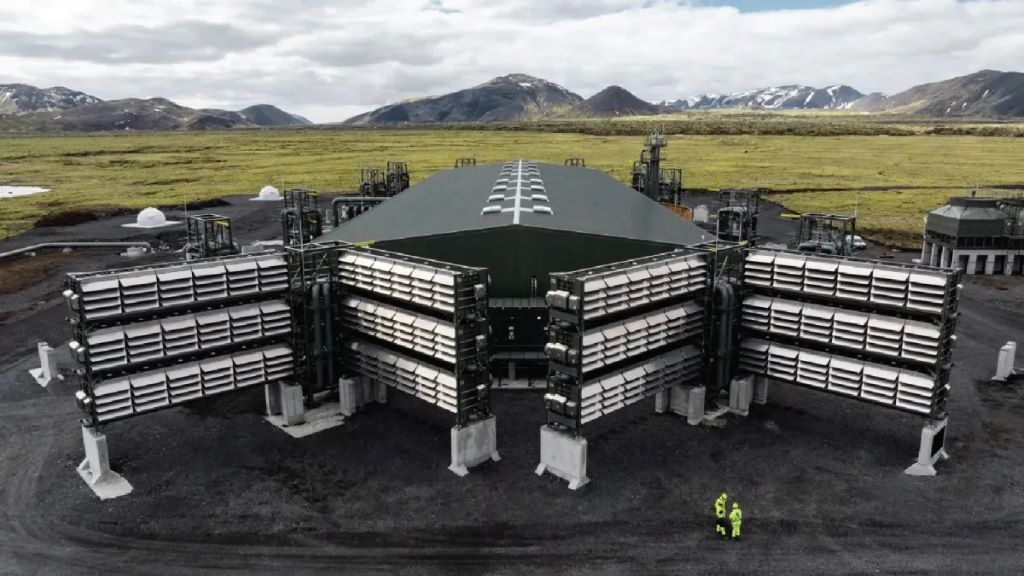
Direct air capture machines remove carbon dioxide directly from ambient air. These facilities use chemical processes to isolate and store atmospheric carbon. Several companies have built commercial-scale plants worldwide.
Current technology remains expensive and energy-intensive to operate effectively. However, costs are decreasing as the technology improves and scales up. Additionally, captured carbon requires long-term storage solutions to prevent re-release. The process also demands significant renewable energy sources to avoid creating additional emissions.
Ocean-Based Carbon Sequestration Methods and Marine Ecosystem Concerns
Ocean-based approaches leverage the sea’s natural carbon absorption capacity. Some methods enhance marine productivity to increase carbon uptake. Others involve direct injection of carbon dioxide into deep ocean layers.
These techniques could sequester massive amounts of atmospheric carbon permanently. However, they risk disrupting delicate marine food chains and ecosystems. Additionally, ocean acidification could worsen if not carefully managed. The long-term stability of underwater carbon storage remains uncertain and requires further research.
The Promising Benefits of Strategic Climate Engineering Solutions
Geoengineering offers several potential advantages for addressing climate change rapidly. These technologies could buy crucial time for emissions reduction efforts. Additionally, they might prevent the most catastrophic climate scenarios from occurring.
Some approaches show remarkable scalability and cost-effectiveness compared to alternatives. Furthermore, certain techniques could address specific regional climate problems precisely. The speed of implementation often exceeds traditional mitigation strategies significantly. However, these benefits must be weighed against substantial risks and uncertainties.
According to research published in Nature Climate Change, solar radiation management could reduce global temperatures by 1-2°C within decades. This rapid response capability makes geoengineering attractive for emergency climate scenarios.
Examining the Serious Risks and Unintended Consequences
Potential Disruption to Global Weather Patterns and Regional Climates
Geoengineering interventions could dramatically alter established weather systems worldwide. Changes in precipitation patterns might affect agriculture and water resources. Additionally, monsoon systems could weaken or shift, impacting billions of people.
Regional cooling in some areas might cause unexpected warming elsewhere. Furthermore, the interactions between different climate systems remain poorly understood. Extreme weather events could become more frequent or severe. These changes could disproportionately affect developing nations and vulnerable populations.
Ethical Concerns and International Governance Challenges
Climate engineering raises profound ethical questions about planetary stewardship. Who decides when and how to implement these technologies globally? Additionally, the benefits and risks might not be distributed equally worldwide.
Developing nations could suffer disproportionate consequences from geoengineering decisions made elsewhere. Furthermore, these technologies might reduce incentives for emissions reduction efforts. International cooperation becomes essential but remains politically challenging to achieve. The lack of global governance frameworks complicates decision-making processes significantly.
Current Research Progress and Real-World Testing Initiatives
Scientists worldwide are conducting increasingly sophisticated geoengineering research programs. Small-scale field tests help understand basic feasibility and environmental impacts. Additionally, computer models are becoming more accurate at predicting outcomes.
Several countries have established research programs to explore these technologies further. However, most experiments remain limited in scope and duration. Furthermore, scaling from laboratory tests to global implementation presents enormous challenges. International collaboration is expanding but needs stronger coordination and funding.
The Harvard Solar Geoengineering Research Program recently conducted stratospheric balloon experiments. These tests gathered valuable data about aerosol behavior in the upper atmosphere.
Learning from Natural Examples: Volcanic Eruptions and Climate Impact
Natural events provide important insights into geoengineering effectiveness and consequences. Major volcanic eruptions have temporarily cooled global temperatures throughout history. These events demonstrate both the potential and risks of atmospheric interventions.
The 1991 Mount Pinatubo eruption reduced global temperatures by approximately 0.5°C. However, it also disrupted weather patterns and reduced agricultural productivity worldwide. Additionally, the cooling effect lasted only two to three years. These natural experiments highlight the temporary nature and complex consequences of climate interventions.
Economic Considerations and Cost-Benefit Analysis of Climate Interventions
Geoengineering costs vary dramatically depending on the specific technology and implementation scale. Solar radiation management appears relatively inexpensive compared to emissions reduction programs. However, carbon removal technologies currently require substantial financial investments.
The economic benefits include avoiding climate damage costs and maintaining economic stability. Additionally, some techniques could create new industries and employment opportunities. Furthermore, early investment might reduce long-term implementation costs significantly. However, the economic risks include potential agricultural losses and international conflicts.
International Policy Frameworks and Regulatory Considerations
Current international law provides limited guidance for geoengineering governance and implementation. The absence of binding agreements creates risks of unilateral action. Additionally, existing environmental treaties may not adequately address these new technologies.
Several international organizations are developing policy recommendations and research guidelines. However, enforcement mechanisms remain weak and politically challenging to establish. Furthermore, different nations have conflicting interests regarding climate interventions. Developing comprehensive governance frameworks requires unprecedented international cooperation and agreement.
The Path Forward: Balancing Innovation with Precautionary Principles
Moving forward requires careful balance between innovation and caution in climate solutions. Continued research is essential for understanding risks and benefits more completely. Additionally, small-scale testing should proceed with rigorous safety protocols and oversight.
International cooperation must strengthen to address governance and equity concerns effectively. Furthermore, geoengineering should complement, not replace, aggressive emissions reduction efforts. Public engagement and education are crucial for informed decision-making processes. The precautionary principle suggests proceeding slowly while maintaining readiness for emergency scenarios.
Conclusion
Geoengineering presents both extraordinary opportunities and unprecedented risks for humanity’s future. These climate interventions could provide crucial tools for avoiding catastrophic warming scenarios. However, they also carry the potential for unintended consequences and global conflicts.
The path forward requires careful research, international cooperation, and thoughtful governance frameworks. Additionally, these technologies should supplement, not replace, rapid emissions reduction efforts. Furthermore, public engagement and ethical considerations must guide development and implementation decisions.
Therefore, the question is not whether geoengineering will save or doom us. Instead, we must determine how to develop and deploy these powerful technologies responsibly. The choices we make today will shape our planet’s climate future for generations.
Frequently Asked Questions
What is geoengineering and how does it work?
Geoengineering involves deliberate, large-scale interventions in Earth’s climate system. It includes solar radiation management to reflect sunlight and carbon dioxide removal to extract greenhouse gases. These technologies aim to counteract global warming through technological interventions.
Are geoengineering technologies currently being used anywhere?
Most geoengineering technologies remain in research and development phases. Small-scale experiments and pilots are ongoing worldwide. However, no large-scale deployment has occurred yet. Commercial carbon capture facilities represent the most advanced implementations currently.
What are the main risks of climate engineering?
Major risks include disrupting weather patterns, creating international conflicts, and causing unintended environmental consequences. Additionally, these technologies might reduce incentives for emissions reduction. The long-term effects remain largely unknown and potentially irreversible.
How much would geoengineering cost compared to emissions reduction?
Solar radiation management appears relatively inexpensive, potentially costing billions rather than trillions annually. However, carbon removal technologies remain expensive and energy-intensive. Total costs depend on scale, technology choice, and implementation timeline.
Who would control global geoengineering programs?
Currently, no international framework exists for governing geoengineering technologies. This creates risks of unilateral action by individual nations. Developing effective governance structures remains one of the greatest challenges facing climate engineering.
Call to Action: What are your thoughts on geoengineering as a climate solution? Share your perspective in the comments below and help others understand this complex topic by sharing this article with your network.
Read More: