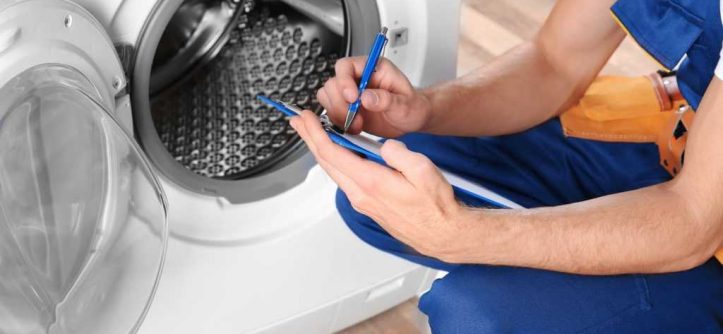
If your trusty Kenmore dryer is running but leaving your clothes damp, it’s definitely a frustrating experience. A dryer that won’t heat often signals a problem that needs attention. Luckily, with a bit of investigation and some DIY knowledge, you might be able to resolve the issue without needing a professional repair technician.
Understanding Your Kenmore Dryer: Gas vs. Electric
The first step is figuring out whether you have a gas or electric Kenmore dryer. This will guide your troubleshooting steps:
- Electric Dryers: Use a heating element to generate heat within the dryer drum.
- Gas Dryers: Rely on a gas burner system that ignites to create heat.
Common Causes of a Kenmore Dryer Not Heating
While some specific problems vary depending on the dryer type, several common culprits could be behind the lack of heat:
- Tripped Breaker or Blown Fuse: Check your electrical panel. If the breaker controlling your dryer has tripped, reset it. If you have an older home with fuses, replace any blown fuses related to the dryer.
- Clogged Dryer Vent: Lint buildup in your dryer vent can restrict airflow and even become a fire hazard. Disconnect the vent and thoroughly clean out any lint or debris, both inside the vent hose and the external vent exit.
- Faulty Heating Element (Electric Dryers): The heating element is the heart of an electric dryer. If it breaks or burns out, heat won’t be generated. Testing the heating element with a multimeter will confirm if it needs replacement.
- Defective Thermal Fuse: The thermal fuse acts as a safety mechanism, cutting power to the heating circuit if the dryer overheats. A blown thermal fuse won’t allow your dryer to heat. You can test it for continuity with a multimeter.
- Malfunctioning Thermostat(s): Thermostats regulate the dryer’s temperature. If a thermostat is faulty, it could prevent the heating element or gas burner from turning on and off appropriately.
- Issues with Gas Ignition (Gas Dryers): Gas dryers have igniters, flame sensors, and gas valve solenoid coils. Problems within this system can lead to insufficient heat or no heat at all.
Troubleshooting Steps: General
- Refer to Your Manual: Your Kenmore dryer’s manual is an excellent resource, often including troubleshooting sections and model-specific diagrams.
- Unplug for Safety: Before any repairs, ALWAYS unplug your dryer for safety.
- Start Simple: Begin with the easiest checks like the breaker/fuse and cleaning the vent, as these are common yet easily corrected problems.
Troubleshooting: Electric Dryers
- Check the Power Cord: A damaged power cord can prevent proper power delivery. Inspect it for visible signs of damage.
- Test the Heating Element: Find the heating element (refer to your manual). Disconnect the wires and use a multimeter to test for continuity. An open circuit or high resistance indicates a faulty element needing replacement.
- Examine Thermostats: Dryers often have multiple thermostats. Use a multimeter to test each one for continuity. Faulty ones will need replacing.
Troubleshooting: Gas Dryers
- Inspect the Igniter: When the dryer starts, the igniter should glow brightly. If it’s weak, dull, or doesn’t ignite, replacement might be necessary.
- Gas Valve Solenoids: Use a multimeter to test the coils on the gas valve. Defective coils prevent gas flow and must be replaced.
- Check the Flame Sensor: The flame sensor detects the burner’s flame. Test it for continuity; a lack of continuity means it needs replacing.
DIY Repair vs. Calling a Professional
If you’re comfortable with basic tools and electrical testing, you may be able to fix some of the causes yourself. However, if you’re unsure about any step, or if dealing with the gas system of a gas dryer, calling a qualified technician is recommended.
Kitchen Organization Secrets: Conquer Countertop Clutter and Maximize Space
Additional Tips
- Regular Lint Trap Cleaning: Clean the lint trap after every use for optimal airflow.
- Don’t Overload: Overloading restricts airflow and puts additional stress on the heating system.
- Proper Venting: Ensure your dryer vent is the correct material, sized appropriately, and not crushed or restricted.
By following these guidelines, you have a great chance of getting your Kenmore dryer back in working order!