Stand-up paddleboarding is one of the fastest-growing water sports, with over 3.5 million participants in the U.S. in 2025. Its appeal lies in the perfect blend of adventure, fitness, and relaxation. Yet, many beginners feel overwhelmed by the sheer number of options available. The right equipment can make all the difference in turning a frustrating experience into a thrilling one.
Choosing the right board is the first step to enjoying this exciting activity. An inflatable SUP board beginner model offers the perfect combination of stability, portability, and affordability. According to a 2025 survey by the Outdoor Foundation, 70% of new paddleboarders prefer inflatable boards for their convenience and ease of use. Therefore, starting with the right board ensures a smooth and enjoyable introduction to the sport.
Additionally, paddleboarding tips can help beginners avoid common mistakes and build confidence quickly. Balance training, for example, is essential for new riders. Practicing on land before hitting the water can significantly improve stability and control. Therefore, a water sports beginner guide should always include foundational techniques to set new paddlers up for success.
Why Choose an Inflatable SUP Board as a Beginner
Inflatable SUP boards are ideal for beginners due to their versatility and user-friendly design. Unlike hard boards, inflatable models are lightweight, easy to transport, and simple to store. This makes them perfect for those new to the sport who may not have the space or means to transport a bulky board.
Stability is another major advantage. Inflatable boards tend to have a wider base, which provides better balance for new riders. Additionally, their soft, forgiving surface reduces the risk of injury if you fall. Therefore, an inflatable SUP board beginner model is a safe and practical choice for those just starting out.
Durability is also a key factor. High-quality inflatable boards are made from military-grade PVC and feature drop-stitch construction, which allows them to withstand impacts and maintain rigidity. This means they can handle bumps, drops, and even rough water conditions without damage. Therefore, they offer long-lasting performance for beginners.
Essential Paddleboarding Tips for Beginners
Starting with the right techniques can make your first paddleboarding experience much more enjoyable. First, always begin in calm, shallow water. This allows you to get a feel for the board and practice your balance without the added challenge of waves or strong currents.
Balance training is crucial for new paddlers. Start by kneeling on the board to get a sense of its stability. Once you feel comfortable, gradually stand up, keeping your feet shoulder-width apart and your knees slightly bent. Additionally, focus on a fixed point in the distance to help maintain your balance.
Proper paddling technique is another important aspect. Hold the paddle with both hands, keeping them shoulder-width apart. Use your core muscles to power your strokes rather than relying solely on your arms. Additionally, alternate sides with each stroke to maintain a straight path. Therefore, mastering these paddleboarding tips will help you move efficiently and confidently on the water.
Key Features to Look for in a Beginner SUP Board
When selecting an inflatable SUP board beginner model, there are several key features to consider. First, look for a board with a wide deck, ideally between 32 and 34 inches. This provides a stable platform for new riders to find their balance.
The length of the board also matters. A board between 10 and 11 feet long offers a good balance of stability and maneuverability. Additionally, a thickness of 6 inches ensures adequate buoyancy and rigidity, which are essential for supporting your weight and maintaining stability.
Construction quality is another critical factor. Look for boards made from high-quality materials like military-grade PVC and featuring drop-stitch technology. This ensures the board remains rigid and durable, even in challenging conditions. Additionally, a non-slip deck pad can provide extra grip and comfort, making it easier to maintain your footing.
Top Inflatable SUP Boards for Beginners
Several inflatable SUP boards stand out as excellent choices for beginners. The iRocker Cruiser is a popular option, known for its stability and durability. With a width of 33 inches and a length of 10’6”, it provides a solid platform for new paddlers. Additionally, its drop-stitch construction and military-grade PVC ensure long-lasting performance.
The Atoll 11’ Inflatable Paddle Board is another top pick. Its 32-inch width and 6-inch thickness offer excellent stability and buoyancy. The board also features a high-quality construction with reinforced rails, making it suitable for both calm and rough water. Therefore, it’s a versatile choice for beginners looking for a reliable board.
For those seeking a budget-friendly option, the SereneLife Inflatable Stand Up Paddle Board is a great choice. With a 10’ length and 30” width, it provides adequate stability for new riders. Its lightweight design and portable carry bag make it easy to transport and store. Additionally, its durable construction ensures it can withstand regular use.
Balance Training for New Paddlers
Balance training is essential for building confidence and skill on the water. Start by practicing on land before getting on the board. Stand on one leg or use a balance board to improve your stability and core strength. Additionally, yoga and other balance-focused exercises can help you develop the muscles needed for paddleboarding.
Once you’re on the water, start in a kneeling position to get a feel for the board’s movement. Gradually transition to standing, keeping your feet shoulder-width apart and your knees slightly bent. Focus on a fixed point in the distance to help maintain your balance. Additionally, avoid looking down at your feet, as this can throw off your center of gravity.
Practicing in calm, shallow water is also important. This allows you to focus on your technique without the added challenge of waves or strong currents. Additionally, consider taking a lesson or joining a beginner’s group to get personalized paddleboarding tips and support. As you progress into more advanced gear choices, it also becomes useful to find affordable eco surfboard fins without compromising quality, helping you improve performance while still making environmentally responsible and budget-friendly decisions.
Common Mistakes to Avoid
One of the biggest mistakes beginners make is choosing a board that’s too small or unstable for their skill level. A narrow or short board may be more maneuverable, but it can also be harder to balance on. Therefore, opt for a wider, longer board to start, and gradually transition to a more advanced model as your skills improve.
Another common error is neglecting to inflate the board properly. An underinflated board will be less stable and more difficult to paddle. Always inflate your board to the recommended PSI, usually between 12 and 15. Additionally, use a high-quality pump to ensure even inflation and rigidity.
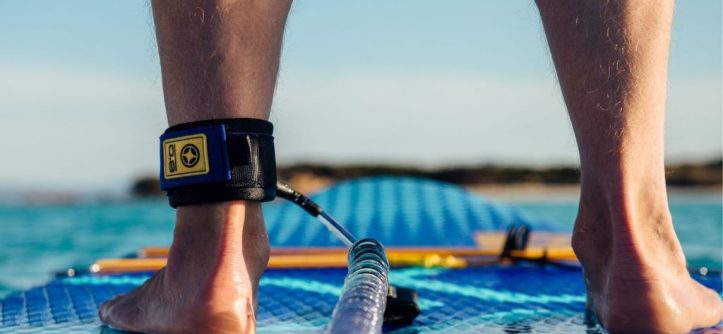
Finally, don’t overlook the importance of safety. Always wear a leash to keep your board close if you fall. Additionally, wear a personal flotation device (PFD) and check the weather conditions before heading out. Therefore, prioritizing safety ensures a fun and worry-free experience on the water.
FAQs About Inflatable SUP Boards for Beginners
What is the best size for a beginner inflatable SUP board?
A board between 10 and 11 feet long and 32 to 34 inches wide offers the best balance of stability and maneuverability for beginners.
How do I improve my balance on a paddleboard?
Practice balance training on land with exercises like standing on one leg or using a balance board. On the water, start in a kneeling position and gradually transition to standing.
Are inflatable SUP boards durable?
Yes, high-quality inflatable boards use military-grade PVC and drop-stitch technology, making them durable and resistant to impacts.
What should I wear for paddleboarding?
Wear comfortable, quick-drying clothing and a personal flotation device (PFD). Additionally, consider a rash guard for sun protection and a leash to keep your board close.
How do I store my inflatable SUP board?
Rinse your board with fresh water after each use and store it in a cool, dry place away from direct sunlight. Avoid folding or rolling it too tightly to prevent damage.
Conclusion
An inflatable SUP board beginner model is the perfect way to start your paddleboarding journey. With the right board, techniques, and paddleboarding tips, you can build confidence and skills that will last a lifetime. Whether you’re looking for adventure, fitness, or relaxation, paddleboarding offers something for everyone.
Ready to dive in? Explore top-rated inflatable SUP boards and start your water sports adventure today. The perfect ride awaits!
Featured Image Source