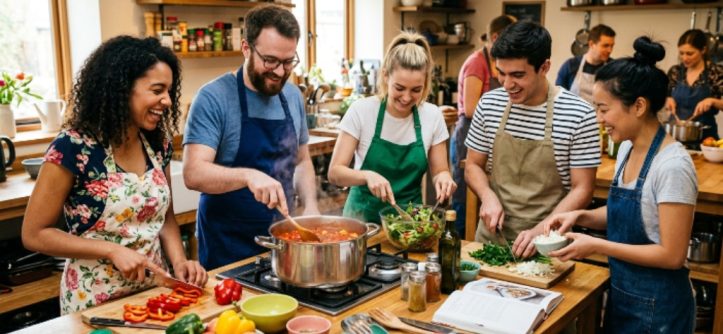
Cooking clubs bring people together through shared recipes, practical kitchen skills, and enjoyable social experiences. They welcome beginners, experienced home cooks, families, students, and anyone interested in preparing better meals. Recent surveys found that about 67% of people enjoy cooking regularly, while more than 90% of interested students want to learn additional cooking skills. These trends show why cooking clubs continue growing across schools, communities, workplaces, and online groups. This guide explains everything you should know before joining or starting a cooking club.
What Is a Cooking Club?
A cooking club is a group that meets regularly to cook, learn, and share meals together. Members usually prepare recipes, discuss ingredients, and improve kitchen techniques through hands on activities.
Unlike formal culinary schools, cooking clubs focus on enjoyable learning without demanding professional training. Everyone contributes while building confidence through practical experience.
Cooking clubs exist in many different formats today. Some meet weekly in community kitchens, while others gather monthly inside homes or schools.
Many clubs also organize virtual cooking sessions for members living in different locations. This flexible approach allows more people to participate regardless of distance.
Why Do People Join Cooking Clubs?
People join cooking clubs for much more than learning recipes. They also enjoy meeting others who share similar interests and food traditions.
Cooking together creates natural conversations while encouraging teamwork throughout every activity. As a result, members often develop lasting friendships alongside stronger cooking abilities.
Many participants also discover healthier eating habits through regular practice. Preparing meals from fresh ingredients helps people understand nutrition and portion control.
Others join because they want greater confidence before cooking for family gatherings or special occasions. Regular practice quickly reduces kitchen anxiety.
Common Types of Cooking Clubs
Different cooking clubs serve different interests and age groups. Choosing the right format improves the overall learning experience.
- After school cooking clubs
- Community cooking clubs
- Family cooking clubs
- Cultural cooking clubs
- Healthy eating clubs
- Baking clubs
- Professional networking cooking clubs
- Online cooking clubs
Each option offers unique activities while supporting different personal goals. Therefore, members should select clubs matching their interests and schedules.
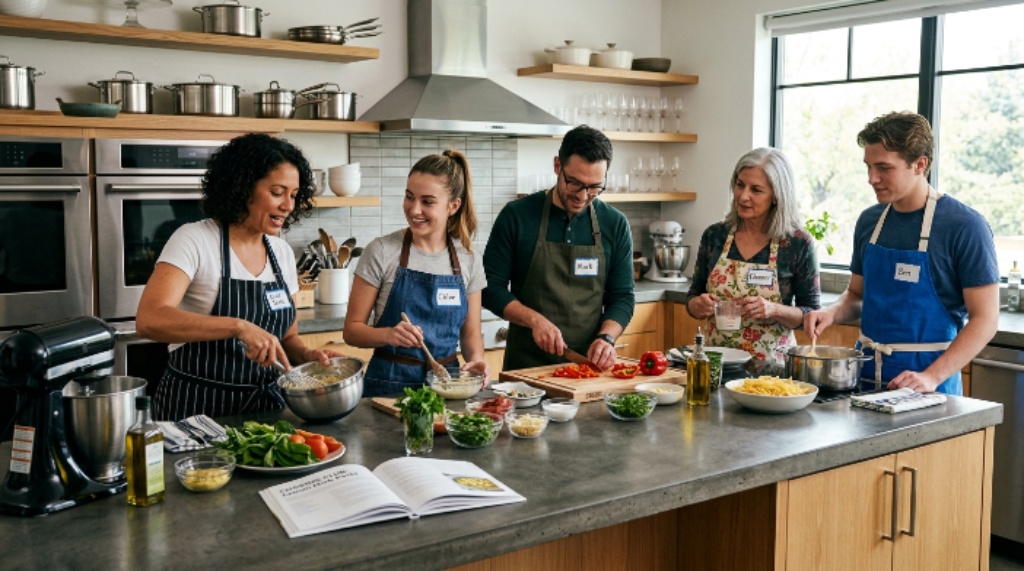
What Happens During a Cooking Club Meeting?
Most cooking club sessions follow an organized structure. Clear planning helps everyone participate safely and efficiently.
Welcome And Planning
Leaders introduce the recipe before explaining ingredients and kitchen responsibilities. Members also review food safety rules before cooking begins.
Everyone receives a task based on experience and comfort level. This approach keeps every participant involved throughout the session.
Preparing Ingredients
Members wash vegetables, measure ingredients, and organize cooking equipment before starting recipes. Proper preparation improves speed and reduces mistakes later.
Participants also learn correct knife handling and food storage techniques. These practical habits support safer cooking every day.
Cooking Together
Teams prepare dishes while discussing methods and solving challenges together. Experienced members often demonstrate useful techniques during this stage.
Questions remain welcome throughout the cooking process. Learning happens naturally through observation and practice.
Tasting And Feedback
Everyone samples completed dishes before discussing flavors, presentation, and possible improvements. Positive feedback encourages continuous progress.
Members frequently exchange recipe ideas for future meetings. This keeps each session fresh and exciting.
Skills You Can Learn
Cooking clubs teach practical abilities useful throughout everyday life. Every session introduces valuable knowledge through real experience.
Important skills include:
- Reading recipes correctly
- Measuring ingredients accurately
- Knife safety
- Food hygiene
- Time management
- Meal planning
- Budget friendly shopping
- Baking basics
- Healthy cooking methods
- Creative food presentation
These skills continue improving with regular attendance. Eventually, members become more independent inside the kitchen.
Benefits Of Joining A Cooking Club
Cooking clubs provide advantages extending well beyond preparing meals. Members often notice improvements across many parts of daily life.
Better Cooking Confidence
Regular practice removes fear from everyday cooking. Members become comfortable trying unfamiliar recipes independently.
Confidence grows naturally after completing successful meals with supportive guidance. Small achievements motivate continued improvement.
Stronger Social Connections
Cooking encourages teamwork from beginning to end. Members communicate constantly while sharing responsibilities.
Many lasting friendships begin during cooking club activities. Shared meals strengthen those relationships even further.
Healthier Food Choices
Cooking clubs introduce fresh ingredients and balanced recipes. Members learn simple ways to improve everyday meals.
Understanding food preparation also reduces dependence on heavily processed foods. Healthier habits often continue outside club meetings.
Improved Creativity
Cooking combines science with creativity every session. Members experiment confidently with flavors, herbs, and presentation ideas.
Trying different cuisines also expands culinary knowledge. Every recipe introduces something new.
Valuable Life Skills
Cooking remains one of life’s most useful practical abilities. Clubs teach skills supporting independence for every age group.
Young members especially benefit from early kitchen experience. Adults also gain confidence managing household meals efficiently.
Who Can Join A Cooking Club?
Cooking clubs welcome people from many backgrounds and experience levels. Previous cooking knowledge rarely matters.
Children enjoy learning simple recipes with close supervision. These early experiences encourage lifelong confidence.
Teenagers build independence while developing practical everyday abilities. Cooking also supports healthier eating habits during busy school years.
Adults often join for personal growth, healthier lifestyles, or social opportunities. Retirees frequently enjoy sharing experience while learning modern cooking techniques.
Families sometimes attend together to strengthen relationships through shared activities. Cooking becomes quality time instead of another household chore.
How To Choose The Right Cooking Club
Selecting the right club improves long term satisfaction. Consider several important factors before joining.
Look for:
- Convenient meeting times
- Comfortable class size
- Friendly atmosphere
- Clear safety practices
- Affordable membership fees
- Interesting recipe variety
- Qualified instructors or experienced organizers
- Well equipped kitchen space
Visiting one session before joining often helps with your decision. Observing the environment reveals whether it matches your expectations.
Tips For Getting The Most From Your Cooking Club
Success depends on consistent participation and a positive attitude. Every meeting offers valuable learning opportunities.
Arrive prepared with an apron and notebook whenever possible. Recording useful tips helps later practice.
Ask questions whenever something feels unclear. Most experienced members enjoy helping beginners.
Volunteer for different kitchen responsibilities during every session. New tasks develop broader cooking abilities.
Practice recipes again at home after each meeting. Repetition strengthens confidence and improves consistency.
Remain open to unfamiliar ingredients and cooking methods. Trying something different often becomes the highlight of each session.
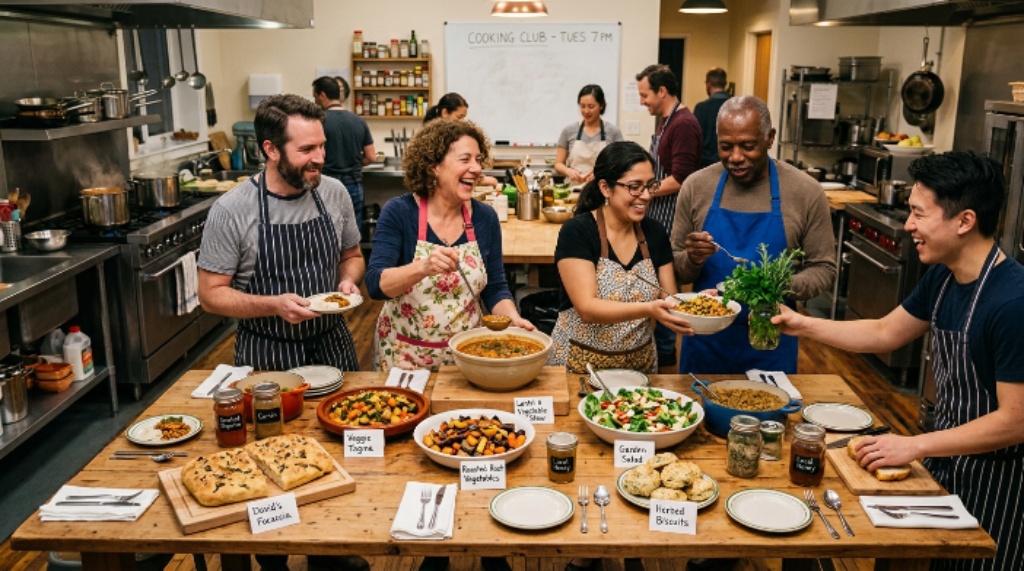
Can You Start Your Own Cooking Club?
Starting a cooking club requires planning but remains surprisingly achievable. Small groups often become successful community activities.
Begin by inviting friends, neighbors, coworkers, or classmates interested in cooking. A small group works perfectly for early meetings.
Select a regular meeting schedule everyone can follow comfortably. Consistency encourages long term participation.
Rotate recipe selection between members for greater variety. Everyone enjoys contributing personal favorites.
Create clear food safety guidelines before every session. Safe cooking should always remain the highest priority.
Keep ingredient costs reasonable by sharing expenses fairly. Affordable participation encourages continued membership.
Common Challenges And Easy Solutions
Every cooking club experiences occasional challenges. Fortunately, simple planning solves most problems quickly.
Different skill levels sometimes create uneven participation. Pairing experienced members with beginners encourages balanced teamwork.
Limited kitchen equipment may slow cooking activities. Organizing smaller groups reduces waiting time.
Food allergies require careful planning before selecting recipes. Collect dietary information before every new session.
Busy schedules occasionally reduce attendance. Flexible planning helps members stay involved whenever possible.
Why Cooking Clubs Continue Growing
Cooking clubs combine education, creativity, and friendship into one enjoyable experience. Few hobbies offer so many practical benefits.
People increasingly value learning useful everyday skills while connecting with supportive communities. Cooking clubs naturally satisfy both goals.
Flexible meeting formats also make participation easier than ever before. Members can join local groups or attend online sessions.
The combination of learning, healthy eating, and meaningful relationships keeps cooking clubs popular across every generation.
Conclusion
Cooking clubs offer far more than recipe sharing. They build confidence, strengthen friendships, encourage healthier eating, and develop practical life skills through enjoyable experiences. Whether you are completely new to cooking or already comfortable in the kitchen, joining a cooking club creates opportunities to learn, connect, and grow. Find a local group or start one with friends, then enjoy the lasting rewards that every shared meal can bring.
FAQs
What is the main purpose of a cooking club?
A cooking club helps people improve cooking skills while enjoying shared learning and social experiences.
Do I need cooking experience before joining?
No, most cooking clubs welcome complete beginners alongside experienced home cooks.
Are cooking clubs suitable for children?
Yes, many clubs offer supervised activities designed specifically for children and teenagers.
How often do cooking clubs usually meet?
Most cooking clubs meet weekly or monthly depending on their members and organization.
What should I bring to a cooking club?
Bring an apron, a notebook, and a willingness to learn and participate.