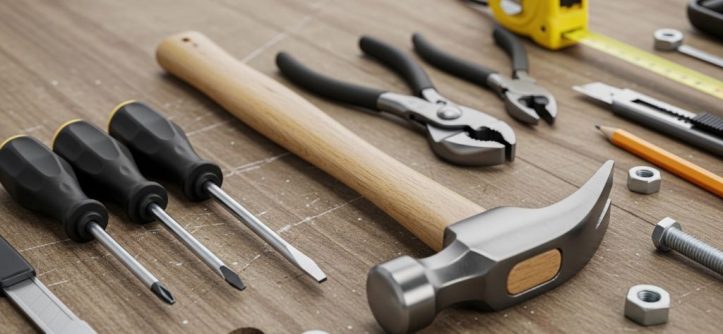
Most household problems do not need a professional. A dripping tap, a loose cabinet door, or a cracked picture hook can all be sorted in minutes. However, you need the right tools to get the job done. Without them, even the simplest task can become frustrating.
This article covers the essential hand tools every homeowner should own. It also shows you how to use each one correctly and safely. Whether you are a complete beginner or someone who wants to sharpen their skills, this guide will help. These basic repair tools will prepare you for a wide range of home fixes without spending a fortune.
Why Every Homeowner Needs a Basic Tool Kit
Owning tools is one of the smartest investments a homeowner can make. Small repairs happen all the time. A squeaky door hinge, a wobbly shelf bracket, or a stuck drawer does not require a tradesperson. With the right tools and a little confidence, you can handle these tasks yourself.
Additionally, doing repairs yourself saves money. Calling a handyman for a minor fix can cost more than an entire starter tool kit. Therefore, building your collection early pays off quickly. Over time, you will also build skills and confidence that make each new task easier.
The goal is not to become a professional tradesperson. The goal is to handle everyday problems without waiting for help or paying for something you can do yourself.
The Hammer: More Versatile Than You Think
The hammer is one of the oldest tools in existence. It is also one of the most useful. A standard claw hammer weighs around sixteen ounces. This weight is ideal for general household work. It is heavy enough to drive nails but light enough to control.
How to Use It Properly
Hold the handle near the end, not the middle. This gives you more power with less effort. When driving a nail, start with light taps to set it in place. Then use smooth, controlled swings to drive it in fully. Keep your eye on the nail, not the hammer head.
The claw end is equally useful. Slide it under a nail head and lever it out with a steady pull. Place a scrap of wood under the head for extra leverage without damaging the surface.
Additionally, use a rubber mallet when you need to strike something without leaving a mark. This is especially useful when assembling furniture or fitting tight-fitting pieces together.
Screwdrivers: The Tool You Will Reach for Most
Screwdrivers are the most frequently used tools in any household. You will use them almost every week. Therefore, it is worth investing in a good set rather than a single cheap option.
Types You Should Own
- Phillips head screwdrivers have a cross-shaped tip. They are used for most modern screws found in furniture, appliances, and fixtures.
- Flat-head screwdrivers have a single blade tip. They work with slotted screws and are also useful as a general prying tool.
- A multi-bit screwdriver with interchangeable heads is a smart option. It covers most screw types in a single compact tool.
How to Use Them Without Stripping Screws
Always match the tip size to the screw head. Using a tip that is too small will strip the screw and make it nearly impossible to remove. Press firmly into the screw head before turning. This keeps the tip seated and prevents slipping.
Turn clockwise to tighten and counterclockwise to loosen. This simple rule trips up many beginners. When a screw feels stuck, apply a small amount of penetrating oil and wait a few minutes before trying again.
Tape Measure: Accuracy Is Everything
Measuring incorrectly wastes materials and creates problems that are hard to fix. A good tape measure is therefore one of the most important tools you can own. Look for one that is at least five metres long with a locking mechanism.
Reading a Tape Measure Correctly
The large numbers on the tape represent centimetres or inches, depending on your country. The smaller marks in between represent millimetres or fractions of an inch. Always read from the zero end, which is the hook at the start of the tape.
The hook at the end is designed to move slightly. This is intentional. When you hook it over an edge, it slides out to compensate for its own thickness. When you press it against a surface, it slides back in. This ensures accurate measurements either way.
Additionally, always mark your measurement with a sharp pencil rather than a pen. Pencil marks are thin and precise. A thick pen line can introduce enough error to affect your finished work.
Pliers: Gripping, Bending, and Cutting
Pliers extend the grip of your hand. They allow you to hold objects securely, bend wire, and cut thin materials. There are several types, but a few are essential for everyday use.
The Three Most Useful Types
- Slip-joint pliers are the most common type. They have an adjustable pivot that allows the jaw to open to two different widths. These are ideal for gripping pipes, bolts, and oddly shaped objects.
- Needle-nose pliers have long, tapered jaws. They are perfect for reaching into tight spaces and handling small components like wires or small bolts.
- Cutting pliers, also called wire cutters, have sharp edges designed to cut through wire and thin cable cleanly.
When using pliers, grip firmly but avoid using them on surfaces you want to protect. The metal jaws will leave marks on soft materials like chrome fittings. Therefore, wrap the jaws in tape or use a cloth barrier when gripping delicate surfaces.
Utility Knife: Precision Cutting for Dozens of Tasks
A utility knife, sometimes called a Stanley knife, is a retractable blade tool used for cutting a wide range of materials. It handles cardboard, carpet, drywall, insulation, and more. This makes it one of the most versatile tools in your kit.
Using It Safely
Always retract the blade when you are not actively cutting. This prevents accidental cuts when reaching into a toolbox. When cutting, draw the blade toward you in a steady, controlled stroke. Never push the blade away from your body, as this reduces control.
Replace blades regularly. A sharp blade requires less force, which actually makes it safer. Dull blades require more pressure, and that is when slips happen. Additionally, use a metal ruler or straight edge when cutting along a line. This keeps your cut accurate and stops the blade from wandering.
The Spirit Level: Getting Everything Straight
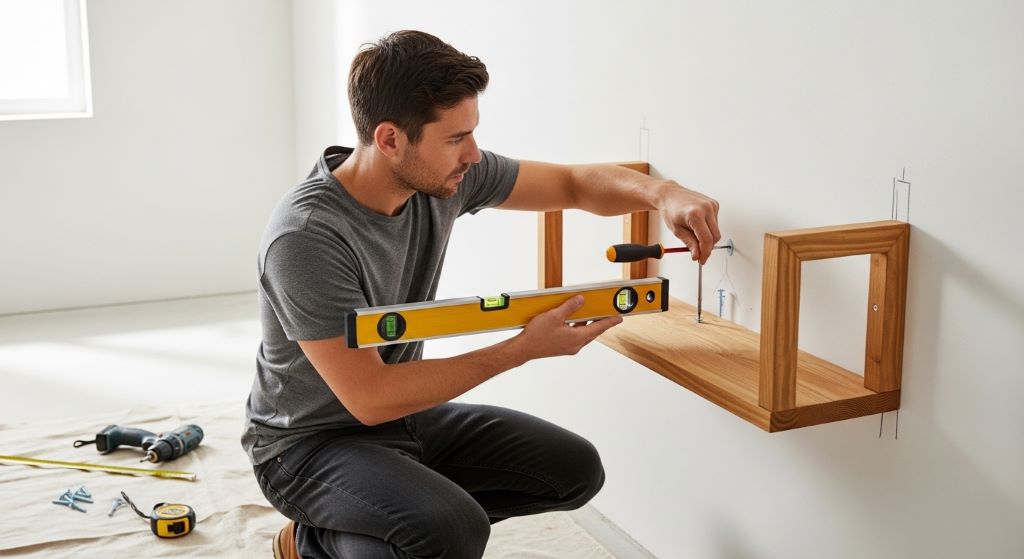
Hanging a shelf or mounting a picture frame looks simple. However, without a spirit level, things end up crooked more often than not. A spirit level tells you whether a surface is perfectly horizontal or vertical.
The tool contains a small vial of liquid with a bubble inside. When the bubble sits between the two lines marked on the vial, your surface is level. If the bubble drifts to one side, that side is higher.
A forty-centimetre or sixty-centimetre level works well for most home fixes. It is long enough to check shelves and door frames but small enough to handle easily. Therefore, keep one in your tool kit at all times.
Adjustable Wrench: One Tool for Many Bolt Sizes
Bolts and nuts come in many sizes. Buying a full set of spanners takes time and money. An adjustable wrench, however, replaces most of them. It has a movable jaw that you can widen or narrow to fit different fastener sizes.
How to Use It Without Rounding Off Bolts
Always adjust the jaw so it fits snugly around the bolt. A loose fit will cause the wrench to slip and round off the edges of the bolt. Once rounded, a bolt becomes very difficult to remove.
Apply force in the direction the fixed jaw is facing. This puts pressure on the stronger side of the tool and reduces the chance of slipping. Turn slowly and steadily rather than using jerky movements.
Additionally, keep the wrench clean and the jaw mechanism free of debris. A dirty wrench does not grip as well and can slip unexpectedly.
Building Your Tool Kit on a Budget
You do not need to buy everything at once. Start with the most essential items and add to your collection over time. A hammer, two screwdrivers, a tape measure, and a utility knife will cover the majority of everyday tasks.
When buying tools, quality matters more than quantity. A well-made screwdriver will outlast five cheap ones. Look for tools with comfortable handles, sturdy construction, and a good reputation. Mid-range brands often offer the best value.
Additionally, consider buying a starter kit. Many brands sell a set of basic repair tools together at a lower price than buying each item separately. These kits are a great way to get started without overspending.
Store your tools in a proper toolbox or roll-up pouch. Keeping them organized protects the tools and makes it easy to find what you need quickly. Loose tools in a drawer get damaged and lost.
Tool Safety Tips Everyone Should Know
Using tools safely is just as important as using them correctly. Even simple hand tools can cause injury if used carelessly. Here are some fundamental safety habits to build from the start.
- Inspect tools before use. Check for cracked handles, loose heads, or damaged blades. Never use a tool that is in poor condition.
- Use the right tool for the job. Using a screwdriver as a chisel, for example, is dangerous and damages both the tool and the workpiece.
- Keep your workspace tidy. Clutter leads to trips, drops, and accidents. A clear work area means you can focus entirely on the task.
- Wear appropriate protection. Safety glasses protect your eyes from flying debris. Gloves protect your hands from sharp edges and splinters.
- Store tools safely after use. Blades should be retracted. Sharp items should be stored in a way that prevents accidental contact.
Conclusion
Hand tools are the foundation of every capable homeowner’s skill set. You do not need a garage full of equipment to handle everyday repairs. A small, well-chosen collection of quality tools is all you need to get started.
From the humble hammer to the reliable tape measure, each tool covered in this guide has a clear and important purpose. When you know how to use them correctly, even common household problems become easy to solve. Additionally, taking care of your tools ensures they perform well for years.
Building your collection slowly and sensibly is the smart approach. Focus on quality over quantity, and prioritize the tools you will use most often. Therefore, start with the basics and expand as your confidence and your needs grow. The more you practice, the faster and more efficient your home fixes will become.
Frequently Asked Questions
1. What hand tools should every beginner homeowner start with?
A beginner should start with a claw hammer, a Phillips and flat-head screwdriver, a tape measure, a utility knife, and a spirit level. These five items cover the vast majority of common household tasks and represent the most practical set of basic repair tools you can own.
2. How do I stop screws from stripping when using a screwdriver?
Always match the screwdriver tip size to the screw head. Press firmly into the screw before turning. Applying downward pressure keeps the tip seated and prevents it from slipping. If a screw is already stuck, a drop of penetrating oil and a few minutes of patience will often free it.
3. Is it worth buying a full tool set or individual tools?
For beginners, a starter kit is a cost-effective way to get several essential tools at once. However, as your needs grow, buying individual tools of higher quality gives you better performance and longevity. Additionally, individual purchases let you choose the right size and type for each specific task.
4. How should I store my hand tools to keep them in good condition?
Keep tools in a dedicated toolbox, roll-up pouch, or wall-mounted rack. Store them in a dry environment to prevent rust. Wipe metal surfaces with a lightly oiled cloth occasionally. Additionally, avoid throwing tools loosely into a drawer, as this damages edges, tips, and handles over time.
5. Can hand tools be used for all home fixes, or do I eventually need power tools?
Hand tools handle the majority of everyday home fixes without any issue. However, larger projects such as building a deck, drilling many holes, or driving long screws into hardwood will benefit significantly from power tools. A cordless drill is usually the first power tool worth adding to any collection once the hand tool basics are covered.
Related Topics:
How to Pick the Perfect Beginner Fishing Rod and Reel Combo
How to Choose the Best Waders for Cold Water Fishing