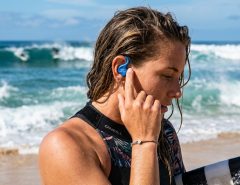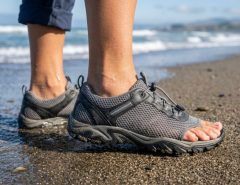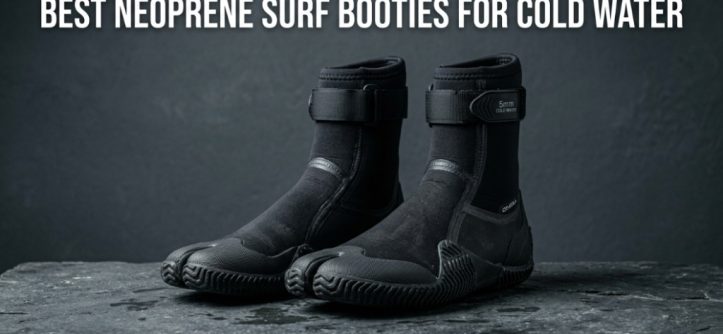
Cold feet can end a surf session faster than bad waves. The best neoprene surf booties keep your feet warm, improve grip on the board, and protect against sharp reefs, rocks, and freezing water temperatures. For surfers riding in winter or icy conditions, quality cold water surf shoes are essential pieces of surf gear, not optional accessories.
What Are Neoprene Surf Booties and Why Do Surfers Need Them?
Neoprene surf booties are insulated water shoes designed to keep surfers warm and protected in cold water conditions. They use flexible neoprene material similar to wetsuits, helping reduce heat loss while maintaining board feel and traction.
Many surfers underestimate how quickly cold water affects performance. Water temperatures below 60°F (15°C) can reduce circulation, numb toes, and decrease reaction time. In colder regions like California during winter, the Pacific Northwest, the UK, Australia’s southern coast, and Northern Europe, surf booties become necessary for comfort and safety.
Unlike regular water shoes, surf booties are specifically designed for:
- Board grip and traction
- Warmth retention
- Flexibility while paddling and standing
- Ankle support
- Protection from reefs and rocks
- Reduced water flushing
Modern neoprene technology has improved significantly over the last decade. Premium brands now produce lightweight cold water surf shoes that feel far less bulky than older models.
How Do Neoprene Surf Booties Keep Feet Warm in Cold Water?
Neoprene surf booties trap a thin layer of water between the foot and the material, which the body warms naturally. This insulation system slows heat loss and maintains foot temperature even in freezing conditions.
Neoprene contains tiny air bubbles that act as thermal barriers. The thicker the neoprene, the warmer the bootie becomes.
Common Neoprene Thickness Levels
| Thickness | Best Water Temperature | Typical Use |
|---|---|---|
| 2mm | 65°F+ (18°C+) | Mild cold conditions |
| 3mm | 58–65°F (14–18°C) | Cool water surfing |
| 5mm | 50–58°F (10–14°C) | Cold winter surfing |
| 7mm | Below 50°F (10°C) | Extreme cold water |
Many experienced surfers choose 5mm neoprene surf booties because they balance warmth, flexibility, and board feel effectively.
What Features Should You Look for in the Best Cold Water Surf Shoes?
The best cold water surf shoes combine warmth, flexibility, grip, durability, and secure fit. Poorly designed booties can reduce balance and create discomfort during long sessions.
1. Split-Toe vs Round-Toe Design
Split-toe booties separate the big toe from the others for improved balance and grip. Round-toe models provide slightly better warmth because the toes stay together.
Most advanced surfers prefer split-toe designs for responsiveness.
2. Sole Thickness
Thin soles improve board feel but reduce protection. Thicker soles increase durability and protection when surfing rocky breaks.
Look for:
- Thin sole = better sensitivity
- Thicker sole = more durability
- Textured rubber = improved traction
3. Sealed Seams
High-quality surf gear often uses:
- Glued and blind-stitched seams
- Liquid-sealed seams
- Taped internal seams
These features minimize water entry and improve insulation.
4. Ankle Closure System
Adjustable straps help prevent flushing, where cold water enters and exits the bootie repeatedly. This significantly affects warmth retention.
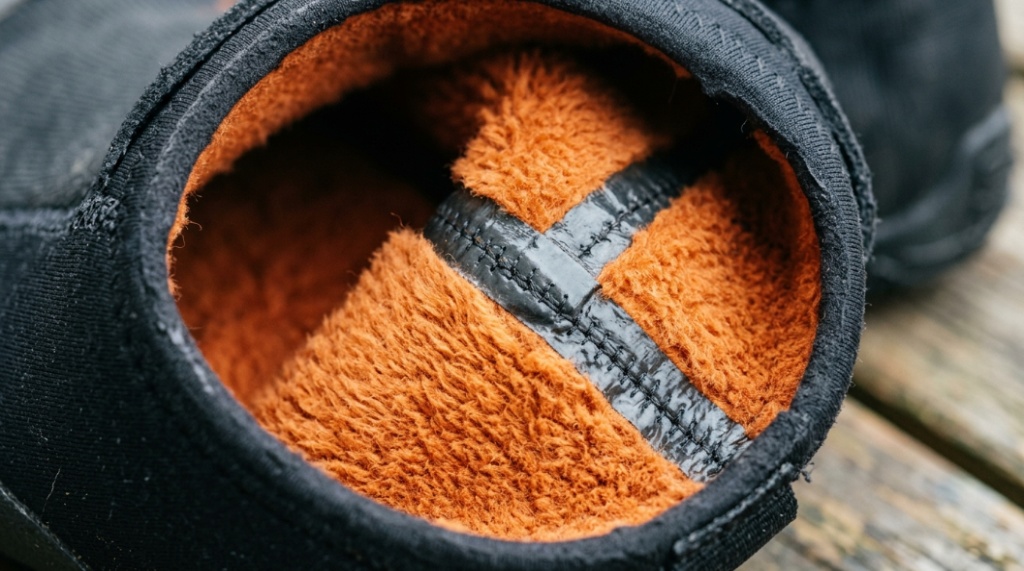
5. Quick-Dry Lining
Premium neoprene surf booties often include thermal linings that dry faster between sessions and improve comfort.
Which Are the Best Neoprene Surf Booties for Cold Water?
The best neoprene surf booties combine warmth, durability, and excellent board feel for winter surf conditions. Several brands consistently perform well among experienced surfers.
Top Recommended Surf Booties
| Model | Best Feature | Ideal Conditions |
|---|---|---|
| O’Neill Psycho Tech | Warmth + flexibility | Cold winter surf |
| Rip Curl Flashbomb | Fast drying | Frequent sessions |
| Xcel Infiniti | Excellent grip | Performance surfing |
| Billabong Furnace | Thermal lining | Extreme cold water |
| Solite Custom Pro | Custom fit heat molding | Advanced surfers |
Brands like O’Neill, Rip Curl, Xcel, and Billabong dominate the cold-water surf gear market because of consistent material quality and long-term durability.
Are Split-Toe Surf Booties Better Than Round-Toe Models?
Split-toe surf booties usually provide better grip and board control, while round-toe models offer slightly better warmth. The right choice depends on your surfing style and local water temperatures.
Performance surfers often prefer split-toe designs because they reduce foot movement inside the bootie. This improves responsiveness during turns and maneuvers.
Round-toe designs work well for:
- Very cold climates
- Beginner surfers
- Long paddle sessions
- Maximum insulation needs
Some modern models use “hidden split-toe” systems. These combine warmth with improved control.
How Tight Should Neoprene Surf Booties Fit?
Neoprene surf booties should fit snugly without cutting circulation or causing pain. Loose booties allow water flushing and reduce warmth significantly.
A proper fit should:
- Feel tight initially
- Prevent heel lifting
- Avoid empty toe space
- Allow natural foot movement
- Stay secure during duck dives
Neoprene naturally stretches slightly after multiple sessions. That is why experienced surfers avoid buying oversized cold water surf shoes.
Common Sizing Mistakes
- Buying too large for comfort
- Ignoring width differences
- Not testing with wetsuit legs
- Overlooking arch support
What Thickness Surf Booties Do You Need for Winter Surfing?
Most winter surfers need 5mm neoprene surf booties, while extremely cold regions may require 7mm models. Thickness selection depends on water temperature, wind chill, and session length.
For example:
- Southern California winter: 3mm–5mm
- Oregon and Washington: 5mm–7mm
- UK winter surfing: 5mm
- Canada or Iceland: 7mm
Wind chill also matters. Strong offshore winds can make feet feel colder even if water temperatures seem manageable.
According to cold-water safety studies, prolonged exposure below 59°F (15°C) increases risk of reduced muscle coordination and numbness. Proper surf gear helps maintain performance and safety.
Do Surf Booties Affect Board Feel and Performance?
Modern surf booties have minimal impact on performance when properly fitted. High-end models are designed to maintain flexibility and responsiveness.
Earlier generations of surf shoes felt bulky and stiff. Today’s premium neoprene materials are significantly thinner and more flexible while still providing insulation.
Professional cold-water surfers regularly compete wearing surf booties in places like:
- Mavericks, California
- Mullaghmore, Ireland
- Hossegor, France during winter
- Tasmania
- New Zealand
Most surfers adapt quickly after one or two sessions.
How Long Do Neoprene Surf Booties Last?
High-quality neoprene surf booties typically last one to three years depending on frequency of use and maintenance. Saltwater exposure, sun damage, and poor drying habits reduce lifespan.
Signs Your Booties Need Replacement
- Cracked neoprene
- Loose seams
- Reduced insulation
- Persistent odor
- Worn traction sole
- Water leakage
How to Extend Bootie Lifespan
- Rinse with fresh water after every session
- Dry in shade, not direct sunlight
- Avoid folding tightly
- Store in cool environments
- Rotate between pairs if surfing daily
Can You Wear Surf Booties in Warm Water?
Surf booties are generally unnecessary in warm water unless protection from reefs, rocks, or sharp coral is needed. In tropical surf zones, lightweight reef shoes may work better.
However, some surfers still wear thin neoprene booties for:
- Reef breaks
- Rocky entry points
- Longboard traction
- Foot injury prevention
Warm-water surf booties are usually thinner 1mm–2mm designs.
What Are the Biggest Mistakes Surfers Make When Buying Cold Water Surf Shoes?
The biggest mistakes include choosing the wrong thickness, poor fit, and prioritizing price over quality. Cheap surf booties often fail quickly in harsh conditions.
Common Buyer Errors
- Buying oversized booties
- Ignoring seam construction
- Choosing warmth over flexibility entirely
- Using tropical booties in winter conditions
- Not checking sole grip
Experienced surfers often recommend investing in premium surf gear because cold-water sessions place heavy stress on equipment.
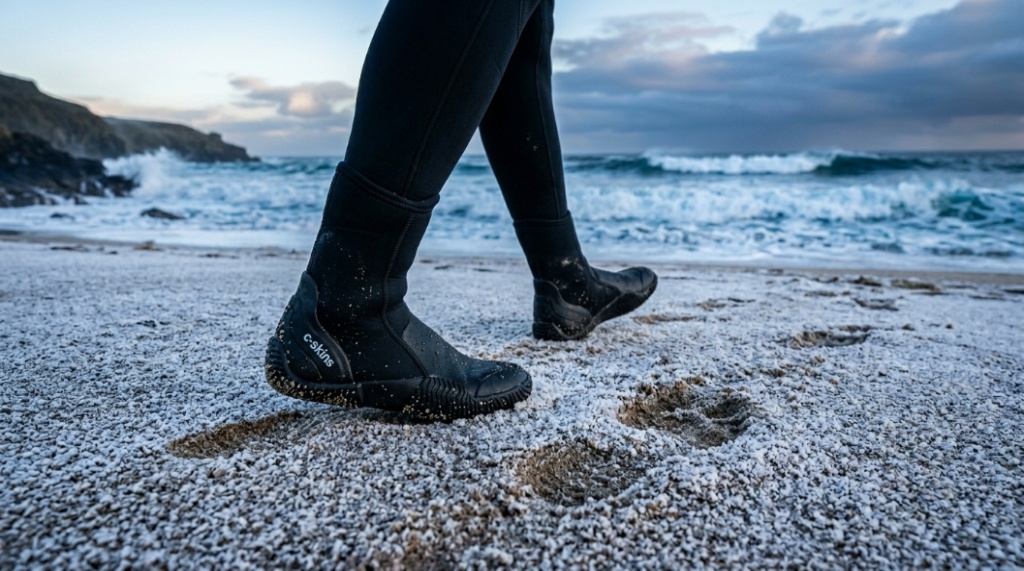
Are Expensive Neoprene Surf Booties Worth It?
Premium neoprene surf booties are usually worth the investment for frequent surfers because they last longer, stay warmer, and perform better.
Higher-end models often include:
- Advanced thermal lining
- Liquid-sealed seams
- Better flexibility
- Superior grip patterns
- Reduced flushing
- Longer lifespan
Budget booties may work for occasional sessions, but regular winter surfers generally notice major differences in comfort and durability.
Cold feet shorten surf sessions quickly. Better insulation directly affects endurance and overall enjoyment.
How Should You Care for Neoprene Surf Gear After Surfing?
Proper care keeps neoprene surf gear flexible, odor-free, and insulated for longer periods. Saltwater and UV exposure are the main causes of neoprene breakdown.
Best Cleaning Routine
- Rinse immediately with fresh water
- Turn inside out while drying
- Dry fully before storage
- Avoid hot car interiors
- Use wetsuit shampoo occasionally
Never dry neoprene surf booties using direct heaters or dryers. Excessive heat damages elasticity and seam glue.
Conclusion
The best neoprene surf booties can completely change your cold-water surfing experience. Warm feet improve balance, endurance, comfort, and overall performance in winter conditions. Whether you surf icy beach breaks, rocky reefs, or heavy winter swells, the right cold water surf shoes help you stay in the water longer and surf more confidently.
For most surfers, 5mm booties provide the best balance between warmth and flexibility. Split-toe designs improve board feel, while premium seam construction minimizes water flushing. Investing in quality surf gear from trusted brands also reduces long-term replacement costs.
Before buying, focus on fit, neoprene thickness, seam quality, and traction rather than price alone. A properly fitted pair of surf booties should feel secure, warm, and responsive without limiting movement.
If you regularly surf in cold conditions, upgrading your winter surf setup with reliable neoprene booties is one of the smartest equipment decisions you can make.
FAQ About Neoprene Surf Booties
Do neoprene surf booties stretch over time?
Yes, neoprene surf booties stretch slightly after repeated use. That is why they should fit snugly when new. Overly loose booties allow flushing and reduce warmth.
What water temperature requires surf booties?
Most surfers start wearing surf booties when water temperatures drop below 60°F (15°C). Colder climates often require thicker 5mm or 7mm models.
Can beginners use split-toe surf booties?
Yes, beginners can use split-toe surf booties. They improve traction and board feel, although some new surfers may initially prefer round-toe comfort.
How do you stop surf booties from smelling?
Rinse surf booties with fresh water after every session and dry them completely before storage. Occasional wetsuit shampoo cleaning also helps eliminate bacteria and odor.
Should surf booties go over or under a wetsuit?
Most surfers wear wetsuit legs over the booties to reduce water entry. Some wetsuits include ankle seals specifically designed for this setup.
Are surf booties necessary for reef breaks?
Yes, surf booties provide important protection on reef breaks. Sharp coral, rocks, and uneven surfaces can easily injure bare feet.
What is the difference between surf booties and water shoes?
Surf booties are designed specifically for surfing performance, warmth, and board grip, while standard water shoes focus mainly on walking comfort and basic water protection.
📌 Related Reads
Discover: Best Neoprene Surf Booties for Cold Water
Explore: How to Use Must Have Hand Tools for Everyday Repairs