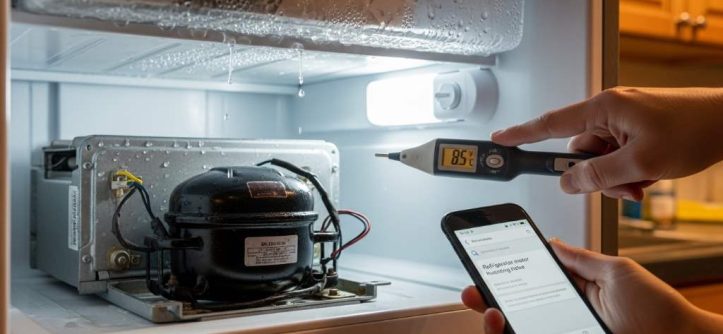
Refrigerators run around the clock, which makes them one of the hardest-working appliances in any Atlanta home. According to industry estimates, refrigerators can account for a significant share of household energy use, while appliance repair data shows that motor-related issues rank among the most common refrigerator failures. Because of this, homeowners should learn to recognize early warning signs before a complete breakdown occurs. In many cases, symptoms such as a refrigerator compressor not staying on can signal deeper motor problems. Understanding these indicators helps Atlanta residents avoid spoiled food, costly repairs, and unexpected appliance replacement.
Why Refrigerator Motor Health Matters
The refrigerator motor plays a vital role in keeping food at safe temperatures. It powers essential cooling functions and helps maintain consistent performance throughout the day. When the motor begins to fail, the entire cooling system can become less efficient. As a result, food safety and energy efficiency often suffer.
Atlanta’s hot and humid climate places additional stress on refrigeration systems. During long summers, refrigerators work harder to maintain cold temperatures inside the unit. Consequently, aging motors may wear out faster than expected. Recognizing early signs can prevent a small issue from turning into a major failure.
Common Early Signs of Refrigerator Motor Failure
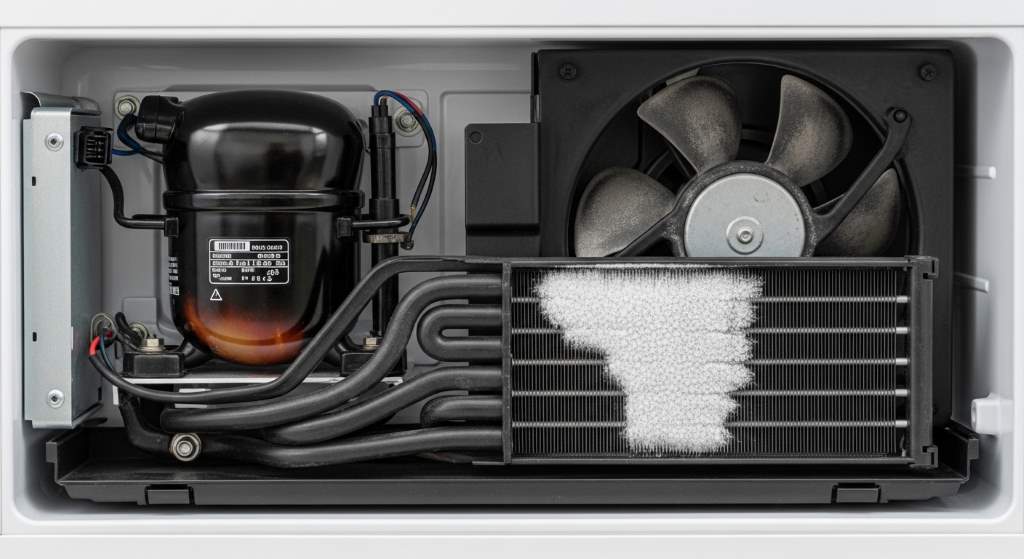
Unusual Noises During Operation
One of the earliest warning signs involves strange sounds coming from the refrigerator. Healthy motors usually produce a steady and low humming sound. However, clicking, buzzing, rattling, or grinding noises may indicate developing mechanical issues. Therefore, homeowners should investigate any new or persistent sounds.
Many Atlanta homeowners ignore these noises because the refrigerator still appears to function normally. Unfortunately, unusual sounds often signal motor strain or worn internal components. Addressing the issue early can reduce repair costs. It can also help extend the appliance’s lifespan.
Longer Cooling Cycles
A failing motor often struggles to maintain proper cooling efficiency. Because of this, the refrigerator may run for longer periods than usual. You might notice that the unit rarely stops operating throughout the day. Increased run times typically indicate that the motor works harder to achieve the same results.
Long cooling cycles also lead to higher energy bills. In Atlanta, where summer temperatures frequently rise, this issue becomes even more noticeable. Monitoring monthly electricity usage can reveal hidden appliance problems. Therefore, unexplained increases should never be ignored.
Inconsistent Internal Temperatures
Food should remain consistently cold regardless of outside weather conditions. When a motor begins failing, temperature fluctuations often become more common. Certain shelves may feel warmer than others. Consequently, food quality and safety may decline.
Checking temperatures with a refrigerator thermometer provides valuable insight. If readings vary significantly throughout the day, the motor may not be functioning efficiently. Homeowners should monitor these changes carefully. Early detection often prevents complete cooling loss.
How Atlanta’s Climate Affects Refrigerator Motors
Atlanta experiences high humidity levels for much of the year. This environmental factor forces refrigerators to work harder to remove heat and moisture. As a result, motors endure greater stress than those operating in cooler regions. Over time, additional strain accelerates wear.
Homes with garages often face an even greater challenge. Garage refrigerators experience dramatic temperature swings during summer months. Therefore, motor components may cycle more frequently and wear out sooner. Proper ventilation around the appliance becomes especially important.
Many homeowners researching appliance efficiency also explore best fridge freezers cool ideas to improve food preservation. While appliance design matters, motor health remains equally important. Even advanced refrigerator models can develop performance issues when motors begin failing. Consistent maintenance helps maximize efficiency.
Warning Signs You Should Never Ignore
Excessive Heat Around the Refrigerator
Refrigerators naturally release some heat during operation. However, excessive warmth near the back or bottom of the unit often signals trouble. A struggling motor may generate more heat than normal. Consequently, internal components can experience accelerated wear.
Touching nearby surfaces occasionally helps identify unusual temperature changes. If the area feels significantly hotter than usual, professional inspection may be necessary. Quick action often prevents more extensive damage. It may also reduce repair expenses.
Frequent Clicking Sounds
Clicking noises often indicate that the motor attempts to start repeatedly. The system may engage briefly before shutting down again. This cycle places additional stress on electrical components. Therefore, repeated clicking deserves immediate attention.
Many homeowners mistakenly assume occasional clicking is normal. While some sounds occur during regular operation, frequent and repetitive clicking differs significantly. Persistent noise often points to developing motor or compressor problems. Early diagnosis can prevent complete failure.
Food Spoiling Faster Than Usual
Food spoilage often serves as a practical indicator of cooling problems. If milk, vegetables, or leftovers spoil sooner than expected, temperature consistency may be compromised. A weakening motor frequently contributes to these fluctuations. Consequently, food waste increases.
Reducing food waste starts with maintaining proper refrigeration performance. Homeowners interested in kitchen efficiency may appreciate tips on how to prevent food waste while addressing appliance concerns. Reliable cooling remains one of the most effective waste-reduction strategies. Therefore, refrigerator performance should be monitored regularly.
A Unique but Often Overlooked Indicator: Condensation Pattern Changes
Most appliance blogs focus on noises, temperatures, and energy usage. However, condensation patterns offer another valuable clue. Early motor failure can alter airflow inside the refrigerator. As a result, moisture may accumulate in unusual areas.
Pay close attention to recurring condensation on specific shelves or interior walls. Changes that appear without obvious causes may indicate airflow imbalance. Since the motor helps support efficient cooling circulation, airflow disruptions often emerge before total failure. This subtle sign frequently goes unnoticed.
Atlanta’s humid environment makes this indicator particularly useful. Moisture-related changes tend to appear more quickly in humid climates. Therefore, local homeowners can often identify developing issues earlier than residents in drier regions. Monitoring condensation patterns provides an additional diagnostic advantage.
Practical Steps to Confirm a Potential Motor Problem
- Listen for unusual sounds at different times of the day.
- Monitor internal temperatures using a reliable thermometer.
- Track monthly electricity usage for unexpected increases.
- Inspect ventilation areas for dust buildup.
- Check for excessive exterior heat around the appliance.
- Observe food freshness and spoilage patterns.
Documenting these observations creates a clearer picture of refrigerator performance. Small issues often reveal consistent patterns over time. Consequently, homeowners can provide more useful information to repair professionals. Accurate observations support faster diagnosis.
Maintenance Tips to Extend Motor Life
Keep Condenser Coils Clean
Dirty condenser coils force the motor to work harder. Dust and debris reduce heat transfer efficiency and increase operational strain. Therefore, cleaning coils regularly supports better performance. Most households benefit from coil cleaning every six months.
Maintain Proper Airflow
Refrigerators require adequate space around the unit for ventilation. Placing the appliance too close to walls restricts airflow and increases motor workload. Consequently, overheating becomes more likely. Following manufacturer clearance recommendations helps prevent unnecessary stress.
Avoid Overloading the Refrigerator
Overcrowded shelves restrict internal air circulation. Poor airflow forces cooling components to operate longer than necessary. Therefore, organizing food efficiently supports consistent temperatures. Balanced storage also improves overall energy efficiency.
Interestingly, families who prepare large batches of snacks and meals, including ideas like a simple hotdog waffle recipe, should ensure adequate storage space remains available. Overfilling the refrigerator limits airflow around food items. As a result, cooling performance may decline. Proper organization protects both food quality and appliance health.
When to Call a Professional
Some refrigerator issues have simple solutions. However, persistent motor-related symptoms often require expert evaluation. Delaying service can increase repair costs and risk complete appliance failure. Therefore, homeowners should act promptly when multiple warning signs appear.
Professional technicians use specialized tools to assess motor performance and electrical components. They can determine whether repairs remain practical or if replacement makes more financial sense. Accurate diagnosis saves time and money. It also reduces unnecessary part replacements.
Cost Benefits of Early Detection
Early identification of motor problems often prevents larger system failures. Minor repairs typically cost less than replacing major cooling components. Consequently, proactive maintenance protects household budgets. It also extends appliance lifespan.
Food loss represents another hidden expense. A sudden refrigerator breakdown can spoil hundreds of dollars worth of groceries. By recognizing early warning signs, Atlanta homeowners reduce this risk significantly. Preventive action remains the most cost-effective approach.
Conclusion
Detecting refrigerator motor failure early helps Atlanta residents avoid expensive repairs, food spoilage, and unexpected appliance breakdowns. Warning signs such as unusual noises, inconsistent temperatures, excessive heat, longer cooling cycles, and changing condensation patterns often appear before complete failure occurs. Because Atlanta’s climate places additional demands on refrigeration systems, homeowners should monitor performance carefully throughout the year. If you notice multiple warning signs, schedule a professional inspection as soon as possible. Taking action today can protect your refrigerator, preserve your food, and save money in the long run.
FAQs
What is the first sign of refrigerator motor failure?
Unusual buzzing, clicking, or grinding noises often appear before other symptoms.
Can a refrigerator still cool with a failing motor?
Yes, but cooling efficiency usually decreases and temperatures become inconsistent.
Does Atlanta’s heat affect refrigerator motor lifespan?
Yes, prolonged heat and humidity can increase motor workload and wear.
How often should refrigerator coils be cleaned?
Most homeowners should clean condenser coils approximately every six months.
Should I repair or replace a failing refrigerator motor?
The best option depends on the appliance age, repair cost, and overall condition.