You stare at the price tags, and your excitement deflates. A decent mountain bike seems to start at a thousand dollars, and you just want to hit the trails without breaking the bank. The good news? You don’t need to spend a fortune. The secret is knowing what features actually matter and where the industry cuts corners. By focusing on a few critical components, you can find a best budget mountain bike that handles real trails without draining your savings.
In this guide, we will walk through exactly what to look for, what to avoid, and how to get the most value for your dollar. Whether you are a beginner or returning rider, these actionable steps will keep you from overpaying for flashy features you do not need.
What Makes a Mountain Bike “Budget” Without Being Junk?
A true budget mountain bike costs between $300 and $800. In this range, the frame is typically aluminum, the drivetrain is entry-level Shimano or MicroShift, and the suspension is a basic coil fork. The key is avoiding bikes below $300 that use cheap steel frames, toy-store brakes, and components that fail after a few rides.
Manufacturers hit low prices by using heavier materials, simpler gearing, and brakes with less stopping power. That is acceptable as long as the bike is serviceable. The worst budget traps are bikes with “full suspension” for $250. Those will break your back and your wallet in repairs. A hardtail (front suspension only) under $500 is almost always a safer bet for durability and performance.
Real-World Durability Check
Look for a bike that has a replaceable derailleur hanger. If you crash and bend the hanger, a replaceable part saves you from buying a new frame. Many sub-$400 bikes skip this, making a simple fall a total loss.
Which Bike Type Should a Budget Rider Choose: Hardtail or Full Suspension?
Choose a hardtail. Under $1,000, a hardtail mountain bike is lighter, more efficient to pedal, and requires far less maintenance than a cheap full-suspension bike. A budget full-suspension frame often uses unreliable linkages and shocks that cannot be serviced.
Hardtails excel on climbs, smooth out rolling trails with their rigid rear end, and teach you better line choice. Full suspension at this price point usually adds two to three pounds of dead weight and saps your pedaling power through poor damping. Unless you are racing downhill, a hardtail will serve you better for years.
What Frame Material Offers the Best Value for Money?
6061 aluminum alloy provides the best strength-to-cost ratio. It is light enough for trail riding, stiff for efficient power transfer, and resists rust. Steel frames are heavier but offer a smoother ride; however, cheap steel frames are often poorly welded and prone to rust.
Carbon fiber frames are not realistic under $800 and often hide cheap components. Stick with a reputable aluminum frame from brands like Trek, Giant, Specialized, or even direct-to-consumer brands like Vitus or Polygon. Check the welds at the headtube and bottom bracket. Smooth, even welds indicate quality construction.
How Important Are Fork and Suspension Quality on a Budget Bike?
The fork is the single most important component on a budget mountain bike. A cheap, untunable coil fork turns a good ride into a pogo-stick nightmare. Look for a fork with at least preload adjustment and, ideally, a basic rebound knob. Avoid bikes with generic “no-name” suspension.
Brands like SR Suntour (XCE or XCR models) and basic RockShox (Judy or Recon) offer serviceable budget forks. A rigid fork is actually preferable to a horrible suspension fork. Many budget riders upgrade their fork within the first year, so buying a bike with a decent frame and upgrading the fork later is a valid strategy.
Signs of a Bad Budget Fork
- No adjustment knobs at all
- Made of stamped steel lowers
- Squeaks or feels sticky out of the box
- Travel exceeds 120mm on a cross-country frame (often a geometry mismatch)
What Drivetrain Specs Actually Matter for Entry-Level Riders?
A 1x drivetrain (single chainring up front) with a wide-range cassette is the gold standard for budget bikes today. It eliminates the front derailleur, reduces chain drops, and simplifies shifting. If you see a 3x crankset, the bike likely uses outdated components from five years ago.
Look for a Shimano Deore, Altus, or MicroShift Advent X groupset. Avoid off-brand shifters that feel vague and skip gears. The cassette should have at least a 11-42 tooth range to help you climb hills. If the bike has a 2x setup, ensure the front derailleur is index-shifting (not friction) and has a clutch mechanism to reduce chain slap.
Can You Trust Disc Brakes on a Budget Mountain Bike?
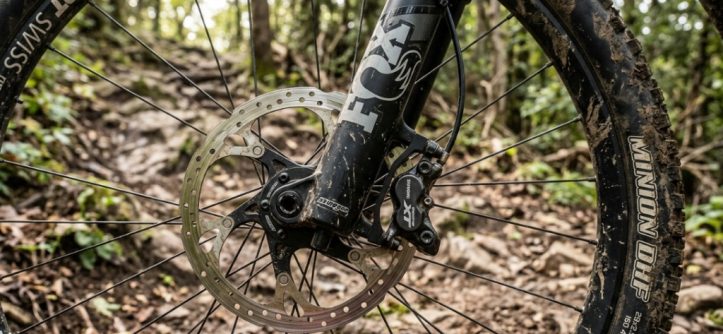
Yes, but only hydraulic disc brakes. Mechanical disc brakes on budget bikes often require constant adjustment, have poor modulation, and struggle to stop you on steep descents. Hydraulic brakes from Shimano (MT200 or MT400) or Tektro are dependable and powerful enough for aggressive trail riding.
Check that the brake rotors are at least 160mm front and rear. Smaller rotors overheat quickly during long descents, causing brake fade. If you find a bike with mechanical discs, budget $50 to $100 for an upgrade to entry-level hydraulics. This is one of the best upgrades for safety and confidence.
Which Tire and Wheel Specs Prevent Early Upgrades?
Look for tubeless-ready rims and tires. Tubeless tires run at lower pressures for better traction and reduce pinch flats. If the bike comes with tubes, ensure the rims have a bead pocket that can accept tubeless valves and tape later. Tire width should be at least 2.25 inches for adequate grip.
Wheel size matters. 29-inch wheels roll over obstacles easily but can feel sluggish. 27.5-inch wheels are more maneuverable and accelerate faster. For most budget riders under 5’10”, 27.5-inch wheels offer a better power-to-acceleration ratio. Avoid 26-inch wheels unless you are looking at very old used bikes.
Is Buying a Direct-to-Consumer (DTC) Mountain Bike Worth the Risk?
DTC brands like Polygon, Vitus, and the best budget mountain bike options from Vevor offer excellent component specs for the price. You save 20–30% compared to buying from a local shop because you assemble the bike yourself.
However, you lose professional fitting, warranty support for assembly errors, and immediate service. If you are mechanically inclined or have a friend who knows bikes, DTC is a steal. If you are completely new, the assembly difficulty might lead to dangerous setup mistakes. Weigh the savings against the value of a shop’s lifetime tune-up.
Assembly Checklist for DTC Bikes
- Grease the seatpost and handlebar stem before inserting.
- Torque all bolts to spec (a basic torque wrench is essential).
- Bleed hydraulic brakes (they often arrive with air bubbles).
- Adjust derailleur limit screws and cable tension.
- Check spoke tension and true the wheels if necessary.
What Should You Look for in a Used Budget Mountain Bike?
A used bike from a reputable brand (Trek, Giant, Specialized, Cannondale) from 2020 or newer often offers better components than a new $400 bike. Focus on the frame condition, suspension service history, and drivetrain wear. A chain checker tool costs $10 and reveals if the drivetrain is worn out.
Avoid bikes with rust on the frame, seized suspension, or cracked rims. Negotiate based on needed service: a new chain, brake pads, and a suspension rebuild can cost $150. If the seller cannot answer basic maintenance questions, walk away. Good used budget finds often come from enthusiasts upgrading their bikes, not from casual riders who stored the bike outside.
How Much Should You Spend on Your First Mountain Bike?
Spend at least $500. Bikes between $300 and $400 often have failures within the first season—bent rotors, seized shifters, or broken spokes. The sweet spot for a first bike that will last two years is $600 to $800. This gets you a brand-name frame, hydraulic brakes, a 1x drivetrain, and a decent fork.
If your budget is strict, save an extra $100 for pedals (stock pedals are often plastic and slippery) and a basic helmet. You can upgrade the bike gradually: pedals, tires, saddle, and then suspension. A $600 bike with $200 in upgrades feels better than a $1,000 stock bike.
Which Components Are Worth Upgrading First on a Budget Bike?
Upgrade contact points first. A good saddle (like WTB Volt or Ergon SM series) prevents pain on long rides. Quality pedals with replaceable pins improve grip and control. Grips with lock-on clamps reduce hand fatigue. These upgrades cost under $100 and transform the riding experience immediately.
Next, upgrade the tires. Budget bikes come with wire-bead tires that puncture easily. A set of tubeless-ready tires like Maxxis Ardent or Schwalbe Nobby Nic improves traction and flat resistance dramatically. After tires, consider upgrading the fork or brakes. Drivetrain upgrades are usually the last priority because the stock groupset works fine for recreational riding.
Curious if premium brands are worth the extra cash? Check out our deep dive: Are Specialized Mountain Bikes Good?
When Is It Better to Save More Instead of Buying Now?
Save more if you plan to ride trails more than once a week or want to participate in group rides. A budget bike under $500 will hold you back on technical terrain and might break during a crash. If you are uncertain about your commitment, a used bike from a quality brand is a safer risk than a cheap new one.
Also save more if you are tall (over 6 feet) or heavy (over 220 pounds). Budget bikes often use cheaper wheels and frames that flex or break under larger riders. A slightly more expensive bike with stiffer wheels and stronger spokes will provide a safer, more reliable ride. The extra $200–$300 is cheaper than a hospital visit from a broken frame mid-trail.
Frequently Asked Questions
Can I use a budget mountain bike for commuting?
Yes, but swap the knobby tires for smoother semi-slicks to reduce rolling resistance. A budget hardtail is actually a durable commuter, but the suspension fork adds unnecessary weight. Consider locking out the fork for paved riding.
How long does a budget mountain bike typically last?
With regular maintenance—cleaning, lubing the chain, and tightening bolts—a $500–$800 bike lasts two to three years of weekly trail riding. Components like chain, cassette, and brake pads wear out first and need replacement after 500–1,000 miles.
Is a 26-inch wheel mountain bike worth buying today?
Only as a used budget option for very short riders (under 5 feet) or children. For adults, 27.5-inch or 29-inch wheels offer better rollover capability, tire availability, and modern geometry. Avoid new 26-inch bikes as they are discontinued technology.
What is the most common failure on cheap mountain bikes?
The rear hub and freehub body are the weakest parts. Cheap hubs use inadequate bearings that seize, causing the wheel to skip or lock up. The second most common failure is the bottom bracket, which creaks and fails after a few wet rides.
Do I need a dropper post on a budget mountain bike?
Not immediately, but it is a highly impactful upgrade for descending. You can add a budget dropper post (like a PNW Coast or Brand-X) for around $150 later. Many budget bikes now come with internal routing for a dropper, making the upgrade easy.
How do I check if a budget bike fits me properly?
Stand over the top tube. There should be at least two inches of clearance for a hardtail. Seat height should allow your leg to be almost fully extended at the bottom of the pedal stroke. Reach is personal, but a shop can help you choose the right frame size based on your height and inseam.
Can I upgrade a budget mountain bike to full suspension later?
No. Frame geometry is specific to hardtail or full suspension. You cannot add a rear shock to a hardtail frame. If you want full suspension eventually, buy a used full-suspension bike from a reputable brand instead of trying to modify a budget hardtail.
Conclusion
Finding the best budget mountain bike comes down to prioritizing the frame, brakes, and drivetrain over flashy paint or cheap suspension. A hardtail between $500 and $800 with hydraulic disc brakes, a 1x drivetrain, and tubeless-ready wheels will serve you for years. Avoid anything with full suspension under $1,000 or generic components that cannot be serviced.
Start with a solid foundation, invest in contact point upgrades, and ride your bike to learn what you actually need. You will end up spending less in the long run and enjoying the trails far more than if you bought a poorly built bike out of impatience. Take the checklist from this guide, test ride a few options, and commit to a purchase that fits both your budget and your riding goals.