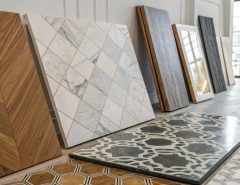
Maintaining hardwood floors naturally is a growing trend among homeowners seeking eco-friendly, safe, and effective cleaning solutions. With more than 60% of U.S. households featuring hardwood floors, according to the National Wood Flooring Association, preserving these surfaces without harsh chemicals is both an art and a science. Using natural methods not only protects the environment but also extends the life and beauty of your floors. This article explores practical, expert-backed ways to maintain hardwood floors naturally, offering insights you won’t find in typical cleaning guides.
Why Choose Natural Maintenance for Hardwood Floors?
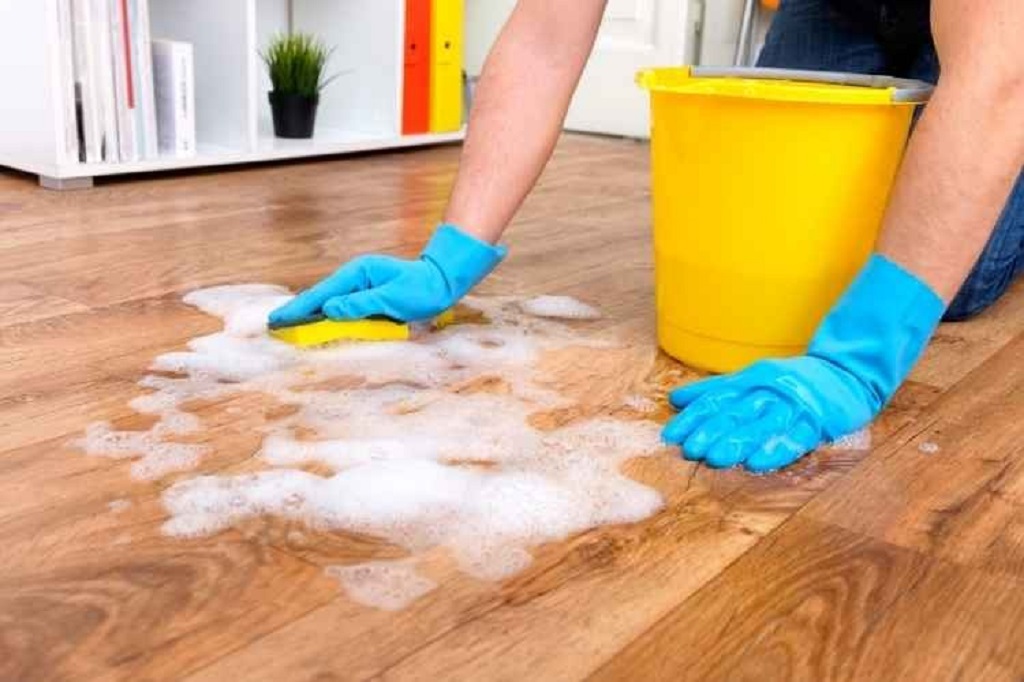
Conventional hardwood floor cleaners often contain synthetic chemicals like ammonia or phosphates. While effective, these substances can damage the wood’s finish over time. Furthermore, harsh chemicals can negatively impact indoor air quality, contributing to respiratory problems or allergies. According to a study published by the Environmental Protection Agency, indoor air pollution can be up to five times worse than outdoor air pollution, often due to chemical cleaners.
Natural maintenance addresses these concerns by reducing chemical exposure, preserving wood integrity, and supporting a healthier home environment. However, natural doesn’t mean ineffective. When done right, it rivals commercial products in cleaning power and wood preservation.
The Basics: Routine Care for Hardwood Floors
Routine care is the foundation of natural maintenance. Dirt, dust, and grit are the worst enemies of hardwood floors, causing scratches and dullness. Sweep or vacuum regularly with a soft-bristle attachment to avoid damaging the wood. Using a microfiber dust mop can trap fine particles better than traditional brooms. Studies show that hardwood floors swept daily can reduce wear by up to 30%.
Avoid wet mopping often, as excess water can seep into the wood and cause warping or stains. Instead, opt for slightly damp microfiber cloths or mops. This method gently cleans while protecting the wood’s moisture balance.
Natural Cleaning Solutions That Work
One popular natural cleaner combines distilled white vinegar and water. Vinegar’s acidic nature cuts through grime without stripping the wood’s finish. Mix one part vinegar to ten parts water for a gentle cleaning solution. However, use vinegar sparingly—excessive use can dull the finish.
Another expert favorite is castile soap, a plant-based, biodegradable cleaner. A few drops mixed with warm water effectively lift dirt and grease without harmful residue. Castile soap is also safe for pets and children, making it ideal for family homes.
Essential oils like lemon or tea tree add a fresh scent and natural antibacterial properties. Adding 5-10 drops to your cleaning mix enhances cleanliness and aroma naturally.
Addressing Stains and Scratches Naturally
Wood floors inevitably suffer minor damage. Instead of reaching for chemical-based strippers, try natural remedies:
- For light scratches: Rub a walnut or almond over the scratch. The natural oils blend with the wood grain, camouflaging imperfections.
- For stains: Baking soda forms a mild abrasive paste when mixed with water. Apply gently and wipe clean to lift stains without damaging the finish.
- For water rings: Use a mixture of toothpaste (non-gel) and baking soda. Gently buff the ring to restore the wood’s natural color.
Such simple remedies have been trusted for generations and avoid the harsh effects of commercial chemicals.
Maintaining Humidity for Longevity
Hardwood floors react to humidity levels. Too much moisture causes swelling; too little leads to cracking. Experts recommend maintaining indoor humidity between 35-55%. Using a humidifier or dehumidifier naturally protects floors without chemicals or invasive treatments.
According to the Wood Flooring Manufacturers Association, maintaining proper humidity can extend floor life by years and reduce costly repairs. Therefore, natural humidity control plays a crucial role in hardwood floor maintenance.
Protecting Floors with Natural Finishes
Instead of chemical-based waxes or sealants, natural oils such as tung oil or linseed oil provide excellent protection. These oils penetrate the wood and enhance its natural grain, offering a durable finish that repels dirt and moisture.
Tung oil, in particular, has water-resistant properties and is non-toxic when cured properly. Applying natural oils regularly keeps floors looking glossy and healthy without the risk of toxic fumes.
Real-World Example: The Scandinavian Approach
Scandinavian countries have mastered natural floor care. They prioritize minimalism and sustainability, often using natural waxes and frequent dry dusting. Their floors remain pristine without chemical cleaners, proving that simple, natural maintenance routines can achieve remarkable results. This philosophy reflects a deep respect for natural materials and the environment, a trend gaining traction worldwide.
How to Maintain Hardwood Floors Naturally: Professional Tips
Maintaining hardwood floors naturally means using gentle, eco-friendly methods that protect the wood and your health. Start by sweeping daily with a microfiber mop to remove abrasive dirt. Clean with a mild solution of distilled vinegar diluted in water or castile soap mixed with warm water. Avoid soaking floors to prevent warping. For scratches, natural oils like walnut rubs work well. Control indoor humidity between 35-55% using humidifiers or dehumidifiers to prevent cracking or swelling. Finish floors periodically with natural oils like tung oil for durable protection. These steps ensure your floors stay beautiful, chemical-free, and long-lasting.
7 FAQs About How to Maintain Hardwood Floors Naturally
Can vinegar damage hardwood floors?
Used correctly and diluted, vinegar cleans hardwood floors without damage. Avoid high concentrations to prevent dullness.
Is it safe to use castile soap on all hardwood types?
Yes, castile soap is gentle and safe on most hardwood floors but always test on a small area first.
How often should I oil my hardwood floors naturally?
Applying natural oil every 6-12 months keeps floors nourished and protected.
Can I use essential oils on hardwood floors?
Essential oils add fragrance and antibacterial benefits but use sparingly to avoid residue buildup.
What’s the best way to remove stains naturally?
A paste of baking soda and water gently lifts stains without harming wood.
How does humidity affect hardwood floors?
Proper humidity prevents cracking and swelling; aim for 35-55% indoors.
Are natural maintenance methods more expensive?
Natural methods often cost less in the long run by reducing damage and improving floor lifespan.
Read More Also: Why Travel Insurance for Malta is Your Ticket to a Worry-Free Adventure
Final Thought
How to maintain hardwood floors naturally is no longer just an option but a necessity for many homeowners. Using natural cleaning agents, controlling indoor humidity, and applying non-toxic finishes combine to protect your investment and the environment. Embracing these expert tips allows you to enjoy gorgeous, healthy hardwood floors that stand the test of time. The best part? You can achieve all this without sacrificing cleaning power or aesthetics. Go natural, and watch your floors shine like never before.