Choosing the right manufactured home can feel overwhelming, especially when budget constraints play a major role in your decision. Many homebuyers struggle to understand the financial differences between single wide and double wide options. Heygom provides comprehensive guidance to help you navigate this important housing decision with confidence.
Whether you’re a first-time homebuyer or looking to downsize, understanding the financial implications of each option is crucial. The cost of a single wide vs double wide varies significantly based on several factors including size, location, and customization options. Additionally, ongoing expenses like utilities and maintenance can impact your long-term budget in ways you might not expect.
This comprehensive guide breaks down all the costs associated with both home types. Furthermore, we’ll explore hidden expenses that many buyers overlook during their initial research.
Understanding Single Wide Manufactured Homes
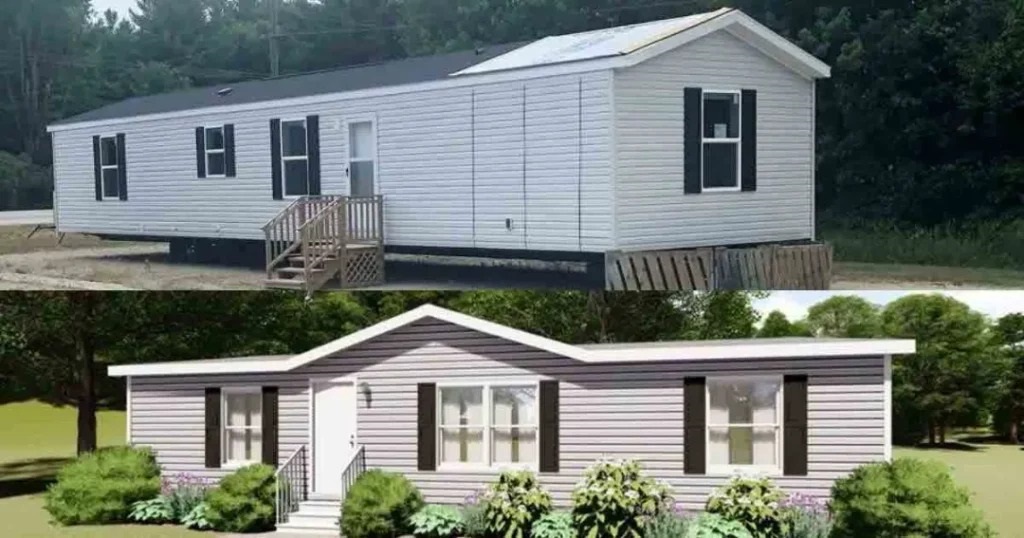
Single wide homes typically measure between 14 to 18 feet in width and 60 to 80 feet in length. These homes arrive at your property as one complete unit, making installation relatively straightforward. However, their narrower design creates unique layout challenges that affect both functionality and resale value.
The average price range for a new single wide home falls between $40,000 and $80,000. Nevertheless, this base price often excludes essential features like appliances, upgraded flooring, or enhanced insulation. Therefore, buyers should budget an additional 15-20% for these improvements.
Transportation costs for single wide homes are generally lower since they require only one truck for delivery. Moreover, site preparation tends to be less expensive due to their smaller footprint. Consequently, the total move-in cost remains more manageable for budget-conscious buyers.
Double Wide Home Investment Overview
Double wide homes consist of two sections that are joined together on-site to create a larger living space. These homes typically measure 20 to 32 feet in width and can extend up to 90 feet in length. Additionally, they offer more traditional home layouts with separate hallways and larger rooms.
The price range for new double wide homes starts around $80,000 and can exceed $200,000 for premium models. However, this higher upfront investment often translates to better long-term value retention. Furthermore, the increased square footage provides more flexibility for growing families or those who work from home.
Installation costs for double wide homes are higher due to the complexity of joining two sections. Nevertheless, the end result provides a home that feels more like a traditional site-built house. Therefore, many buyers find the additional expense worthwhile for the improved living experience.
Breaking Down Purchase Costs
The initial purchase price represents just one component of your total investment. Single wide homes offer the most affordable entry point, with basic models starting around $35,000. However, customization options can quickly increase this base price by $20,000 or more.
Double wide homes command higher prices due to their increased size and construction complexity. Additionally, premium features like cathedral ceilings, kitchen islands, and master suite bathrooms are more commonly available in double wide models. Consequently, buyers often spend more on upgrades simply because more options are available.
Financing terms also differ between the two options. Single wide homes sometimes qualify for chattel loans, which typically have higher interest rates but lower down payment requirements. Conversely, double wide homes more often qualify for traditional mortgage financing with better terms and rates.
Installation and Setup Expenses
Site preparation costs vary dramatically based on your property’s current condition. Single wide homes require a smaller foundation, reducing both material and labor costs. However, proper leveling and skirting remain essential for long-term structural integrity.
Double wide installation involves additional complexity as technicians must properly align and seal the two sections. Moreover, electrical and plumbing connections between sections require specialized expertise. Therefore, installation costs for double wide homes typically run $5,000 to $15,000 higher than single wide options.
Utility connections represent another significant expense category. Nevertheless, both home types require similar hookups for electricity, water, and sewer systems. Additionally, propane connections may be necessary depending on your chosen appliances and heating system.
Ongoing Monthly Expenses
Utility costs differ substantially between single wide and double wide homes. Single wide homes generally consume less energy for heating and cooling due to their smaller square footage. However, their narrower design can create challenges for efficient air circulation, potentially offsetting some savings.
Double wide homes offer better insulation options and more efficient HVAC systems. Furthermore, their wider design allows for more strategic placement of heating and cooling equipment. Consequently, monthly utility bills may be comparable despite the larger size.
Property taxes and insurance costs typically correlate with home value and size. Therefore, double wide homes usually carry higher annual expenses in these categories. Additionally, some insurance companies offer better rates for double wide homes due to their perceived stability and lower wind resistance.
Long-Term Value Considerations
Resale value represents a crucial factor in your overall cost analysis. Double wide homes generally retain value better than single wide models due to their closer resemblance to site-built homes. Moreover, the additional space appeals to a broader range of potential buyers.
Single wide homes depreciate more quickly, similar to recreational vehicles or mobile homes. However, their lower initial cost can still make them an attractive option for buyers prioritizing immediate affordability. Additionally, in strong housing markets, even single wide homes can appreciate in value.
Location plays a significant role in long-term value retention for both home types. Furthermore, the quality of the manufactured home community or the desirability of your private land impacts future marketability.
Making the Right Financial Decision
Your choice between single wide and double wide homes should align with both your current budget and future goals. Single wide homes excel for buyers seeking minimal upfront investment or those planning temporary housing solutions. However, if you intend to stay long-term, the additional investment in a double wide may prove worthwhile.
Consider your family’s growth potential and lifestyle needs. Additionally, evaluate the resale market in your target area to understand which option maintains value better. Furthermore, factor in your financing options, as loan terms can significantly impact your monthly payments.
The total cost of ownership extends far beyond the purchase price. Therefore, create a comprehensive budget that includes installation, utilities, maintenance, and potential appreciation or depreciation.
Read More Also: How to Enter a Code in Roblox
Conclusion
The cost difference between single wide and double wide manufactured homes extends beyond the initial purchase price. Single wide homes offer affordability and lower ongoing costs, making them ideal for budget-conscious buyers or those seeking temporary housing. Double wide homes require a larger investment but provide better long-term value, more living space, and improved resale potential.
Your decision should consider factors including family size, future plans, financing options, and local market conditions. Additionally, remember to budget for installation, utilities, and ongoing maintenance costs regardless of which option you choose. By carefully evaluating all expenses and benefits, you can select the manufactured home that best fits your financial situation and lifestyle needs.
Read More Also: Beneficial bacteria for aquarium cycling in Miri
Frequently Asked Questions
What is the average price difference between single wide and double wide homes?
Single wide homes typically cost $40,000-$80,000, while double wide homes range from $80,000-$200,000. However, the total investment includes installation, site preparation, and utility connections, which can add $10,000-$25,000 to either option.
Do single wide or double wide homes have lower monthly expenses?
Single wide homes generally have lower utility costs due to their smaller size, but double wide homes often feature more efficient systems. Property taxes and insurance are typically higher for double wide homes due to their increased value.
Which type of manufactured home holds value better over time?
Double wide homes typically retain value better than single wide homes because they more closely resemble traditional site-built houses. However, location and market conditions significantly impact long-term value for both types.
Are financing options different for single wide versus double wide homes?
Yes, financing can vary significantly. Single wide homes may require chattel loans with higher interest rates, while double wide homes more often qualify for traditional mortgages with better terms and lower rates.
What hidden costs should I expect with each home type?
Both options may require additional expenses for appliances, upgraded features, site preparation, permits, and utility connections. Double wide homes typically have higher installation costs due to their complexity, while single wide homes may need more frequent maintenance due to their construction style.