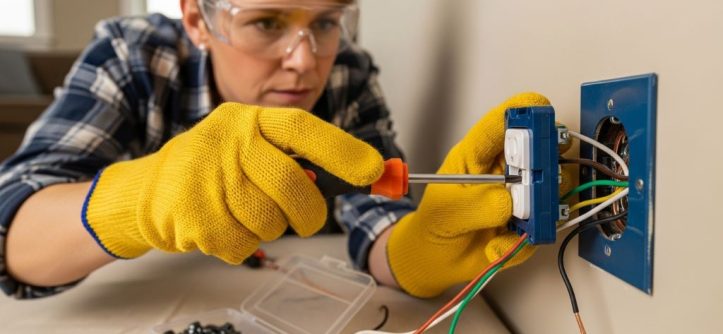
Home improvement projects can be deeply satisfying. Fixing a faulty outlet, installing a ceiling fan, or running new wiring gives you a real sense of accomplishment. However, electrical work is not like painting a wall or assembling furniture. One small mistake can lead to serious injury — or worse.
The good news is that working safely with electricity is entirely achievable. You do not need to be a licensed electrician to handle basic home projects. You do need the right tools, the right knowledge, and the right habits. This guide will walk you through all three, step by step.
Why Electrical Safety at Home Matters More Than You Think
Every year, thousands of home fires and injuries are caused by DIY electrical mistakes. Most of these accidents happen not because people are careless, but because they are underprepared. They use the wrong tools, skip protective equipment, or underestimate the risks involved.
Electricity is invisible. You cannot see it building up in a wire or traveling through a circuit. Therefore, the danger is always present, even when things look perfectly fine. A wire that appears dead may still carry a live current. A switch that seems off may not have fully disconnected the power.
Understanding this reality is the first step toward working safely. From there, everything else follows naturally.
Getting to Know Your Electrical Tools
Before starting any project, you need to know what tools are designed for electrical work — and which ones are not. Using the wrong tool is one of the most common causes of accidents at home.
The Basics Every DIYer Should Own
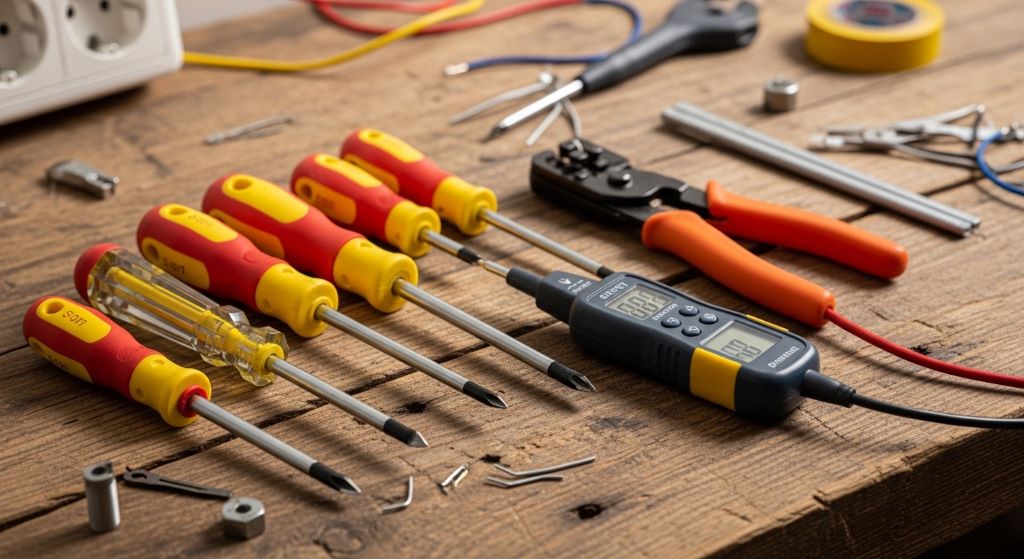
A good set of screwdrivers is essential. However, not just any screwdriver will do. For electrical work, you need screwdrivers specifically rated for electrical use. These feature insulated handles that prevent current from passing through to your hand.
Wire strippers are another must-have. They allow you to remove the outer casing from wires without damaging the conductor inside. Needle-nose pliers help you bend, grip, and position wires in tight spaces. A voltage tester lets you confirm whether a circuit is live before you touch anything.
Additionally, a non-contact voltage tester is one of the safest tools you can own. You simply hold it near a wire or outlet, and it alerts you if electricity is present — without any physical contact at all.
Understanding Insulated Tools
Insulated tools are specially designed for electrical work. They have handles coated with a non-conductive material, usually rubber or a synthetic polymer. This coating creates a barrier between you and any live electrical components.
Genuine insulated tools are rated to withstand up to 1,000 volts. This rating is not a marketing claim — it is a tested safety standard set by international organizations. Look for the “1000V” mark on any tool you plan to use for electrical projects.
The difference between a regular screwdriver and a proper insulated tool may seem small from the outside. Inside, however, it can be the difference between a completed project and a trip to the emergency room. Therefore, always choose tools that carry this rating when working with any live or potentially live circuit.
Essential Safety Gear for Electrical Work
Tools alone are not enough. Personal protection is just as important. Before you start any electrical project, make sure you have the right safety gear electrical professionals rely on every single day.
Protective Gloves
Electrical gloves are not ordinary work gloves. They are made from rubber and tested to handle specific voltage levels. For most home projects, Class 00 or Class 0 gloves are appropriate. These are rated for low-voltage work up to 500 and 1,000 volts respectively.
Always inspect your gloves before putting them on. Check for cuts, holes, or cracks in the rubber. A damaged glove offers no real protection. Additionally, never wear gloves that are wet or dirty, as moisture and debris can compromise their insulating properties.
Safety Glasses and Face Protection
Electric arcs and sparks can occur unexpectedly, especially when working near a panel or junction box. Safety glasses protect your eyes from sudden flashes of light, flying debris, and accidental sparks.
Look for glasses rated to ANSI Z87.1 standards. This certification confirms they can handle high-impact situations. For work near panels where arc flash risk is higher, a full face shield offers even greater protection.
Non-Conductive Footwear
Your feet are in constant contact with the ground. If you are standing on a conductive surface while working with live wires, any accidental contact can complete a circuit straight through your body.
Rubber-soled boots break this connection. They prevent electricity from using your body as a path to ground. This type of footwear is a simple and affordable layer of safety gear electrical workers treat as non-negotiable.
Insulating Mats and Rubber Flooring
For longer projects or work near electrical panels, consider standing on a rubber insulating mat. These mats add an extra layer of protection, especially on damp or concrete floors where the risk of grounding is higher.
They are inexpensive, reusable, and easy to roll up and store when not in use. Therefore, there is little reason not to have one on hand for any serious electrical task.
Preparing for Your Home Electrical Project
Good preparation prevents most accidents. Before picking up any tool, follow these steps to make your workspace as safe as possible.
Turn Off the Power — and Verify It
Go to your electrical panel and switch off the circuit breaker for the area you will be working in. This seems obvious, but many people skip the verification step. Turning off the breaker is not enough on its own.
After switching off the breaker, use your voltage tester on the outlet or wire you plan to work with. Confirm there is no current present. Do this every single time, without exception. Circuits can be mislabeled, and what you think is off may still be live.
Use a Lockout Device on Your Breaker
If other people are in the house while you work, there is always a chance someone flips the breaker back on by mistake. A lockout device physically prevents the breaker from being switched back on while you are working.
These small devices clip onto the breaker switch and can be locked in place. They are inexpensive and widely available at hardware stores. Using one adds a meaningful layer of security to any home electrical project.
Clear and Organize Your Workspace
Clutter increases risk. Before starting, remove anything from the work area that does not belong there. Keep your tools organized and within easy reach. Avoid reaching across live components or stretching over obstacles to grab something.
Good lighting is also essential. Electrical work often happens inside walls, panels, or ceiling boxes where visibility is poor. A headlamp keeps both hands free while lighting exactly where you are working. It is one of the most underrated tools for any DIY electrician.
How to Work Safely With Common Home Electrical Tasks
Different tasks carry different risks. Here is how to approach some of the most common home electrical projects safely.
Replacing an Outlet or Switch
This is one of the most common DIY electrical tasks. It is relatively simple, but still requires proper precautions. Turn off the circuit, verify with your tester, and then unscrew the cover plate.
Before touching any wires, test again. Use your non-contact tester on each wire individually. Once confirmed safe, use your insulated tools to disconnect the old outlet or switch and connect the new one. Always match wire colors correctly — black to black, white to white, and green or bare copper to ground.
Installing a Ceiling Fan or Light Fixture
Working overhead adds a physical challenge on top of the electrical one. Use a stable ladder that will not shift while you work. Have a helper hold the fixture if needed.
Turn off the ceiling light circuit and verify it is dead before touching any wires. Check that the ceiling box is rated to support a fan if you are installing one — not all ceiling boxes are designed for the extra weight and movement.
Working Near an Electrical Panel
This is the highest-risk area in your home. Even with the main breaker off, certain parts of the panel remain live. The wires connecting to your home from the utility company cannot be de-energized by you.
Unless you have specific training, avoid working inside your main panel. For tasks like adding a new circuit or replacing a breaker, consult a licensed electrician. However, for basic tasks like resetting a tripped breaker or reading circuit labels, you can approach the panel safely as long as you do not touch any wires.
Common Mistakes to Avoid
Even experienced DIYers make preventable errors. Here are the ones that lead to the most accidents.
- Assuming a circuit is off without testing it first
- Using tools with damaged or worn insulation on the handles
- Working in wet or damp conditions without appropriate protection
- Ignoring the ground wire or connecting it incorrectly
- Overloading a circuit by connecting too many devices or outlets
- Skipping safety gear because the job “seems quick”
Each of these mistakes has led to real injuries. None of them are worth the time they save. Therefore, develop the habit of doing things right from the start, every time.
When to Call a Professional
Not every electrical job is right for a DIYer. Knowing your limits is a sign of good judgment, not weakness.
Call a licensed electrician when the work involves your main panel, service entrance, or any 240-volt circuits. Also call a professional if you find wiring that looks damaged, burned, or corroded. Older homes sometimes have outdated wiring systems that require expert evaluation before any changes are made.
Additionally, if your project requires a permit — which many significant electrical upgrades do — a licensed professional is usually required to complete and sign off on the work. Skipping this step can create problems when you sell your home or make an insurance claim.
Building Good Safety Habits Over Time
Safety is not a checklist you complete once. It is a set of habits you build and reinforce every time you pick up a tool. The more consistent you are, the more natural these habits become.
Start every project with a plan. Know what you are doing before you touch anything. Keep your insulated tools in good condition and inspect them regularly for wear. Store your safety gear in a dedicated place so it is always easy to find.
Additionally, take the time to learn from trusted sources. Electrical codes exist for a reason. Understanding the basics of how circuits work will make you a safer and more confident DIYer over time.
Conclusion
Working on home electrical projects is well within reach for most DIYers — as long as you approach the work with care and the right preparation. Always start by turning off the power and confirming it with a voltage tester. Equip yourself with properly rated insulated tools and full safety gear electrical professionals depend on every day.
Protect your hands with rated rubber gloves, your eyes with certified safety glasses, and your feet with non-conductive footwear. Keep your workspace clear, well-lit, and organized. Know when a job is within your skill level and when it is time to call a professional.
The goal is not just to complete the project. The goal is to complete it safely, every time. With the right habits and the right tools, you can do exactly that.
Frequently Asked Questions
What are insulated tools, and why are they important for home electrical work?
Insulated tools have handles coated with non-conductive materials like rubber or polymer. They are rated to withstand up to 1,000 volts and prevent electrical current from passing through to your hand during work on live or potentially live circuits.
What safety gear should I wear for basic home electrical projects?
At minimum, you should wear rubber-tested electrical gloves, certified safety glasses, and rubber-soled footwear. For work near a panel or junction box, a face shield adds important protection against arc flash and unexpected sparks.
How do I know if a circuit is truly off before I start working?
After switching off the breaker, use a non-contact voltage tester on the wire or outlet you plan to work with. This device detects current without physical contact. Always test before touching any wire, even if you are confident the power is off.
Can I do electrical work myself, or do I always need an electrician?
Basic tasks like replacing outlets, switches, and light fixtures are manageable for a careful DIYer. However, work involving your main panel, 240-volt circuits, or projects requiring a permit should always be handled by a licensed electrician.
How often should I inspect my electrical tools and safety gear?
Inspect your tools and protective equipment before each use. Look for cracks, cuts, or worn insulation on tool handles, and check gloves for any damage that could compromise protection. Replace anything that shows signs of wear immediately.
Related Topics:
Quick Pasta Nights: Testing Affordable Extruders for Busy Cooks
What Is DIY Home Improvement on a Dime and Why Watch Its Episodes?