Key Takeaways
- Distracted driving is a major contributor to road accidents but is preventable.
- Simple habits, such as putting away devices and planning routes in advance, can make a big difference.
- Breaking the cycle of distraction requires ongoing awareness and self-discipline.
- New laws and technology are playing a growing role in reducing distracted driving, but personal responsibility remains crucial.
- Resources are available to help drivers stay informed and develop safer habits.
Why Distracted Driving Remains Prevalent
Distracted driving continues to persist on roads across America and around the globe, endangering motorists despite well-established risks. Modern drivers are tethered to devices, schedules, and communication demands, leading to increased opportunities for attention to drift from the road. The misconception that short or infrequent distractions are harmless intensifies the danger, as even a moment’s lapse can have severe consequences. If you or a loved one has experienced harm due to a distracted driver, a conversation with a personal injury law firm Hillsborough County can be a critical step toward understanding your rights and pursuing justice after an incident.
Although the public is more aware of distracted driving today than ever, many still underestimate their vulnerability. This false sense of confidence, combined with daily pressures to multitask or respond quickly to messages, makes distraction a stubborn foe. Consistent reminders, cultural shifts, and legal changes help address the issue—but it’s ultimately up to each driver to embrace focus as a core driving value.
Common Forms of Distraction Behind the Wheel
Distraction takes many forms, and not all of them are as obvious as looking at a phone. Visual distractions, like reading billboards or searching for an item in the car, quickly pull attention from the road. Manual distractions, such as eating, adjusting the radio, or interacting with navigation systems, further compound the risk. Even cognitive distractions—daydreaming or engaging in emotional conversations—reduce a driver’s ability to identify hazards and respond appropriately. According to the Centers for Disease Control and Prevention (CDC), any activity that diverts a driver from the primary task of driving increases the risk of a crash.
Statistics That Shed Light on the Issue
Current data paints a stark picture: More than 3,500 people lost their lives in the United States due to distracted driving accidents in 2021. According to the National Highway Traffic Safety Administration (NHTSA), distracted driving is a factor in roughly 8% of fatal crashes nationwide. These numbers highlight the persistent and deadly consequences of inattentive driving practices.
Beyond fatalities, tens of thousands sustain life-changing injuries yearly. These statistics reinforce that every driver—no matter how skilled—faces real risks when distractions take over behind the wheel.
Habits to Help Avoid Distraction
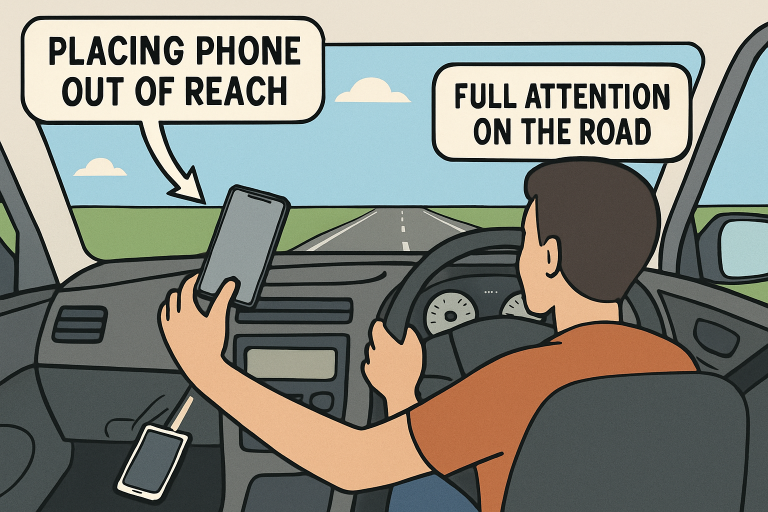
- Stow Electronic Devices: Place mobile devices out of reach and silence notifications; use ‘Do Not Disturb’ modes while driving.
- Complete Tasks Before Departure: Set your GPS, adjust mirrors and seats, and secure loose objects before you start moving.
- Plan Breaks: On long journeys, commit to scheduled stops for rest, food, and communication instead of multi-tasking behind the wheel.
- Set Boundaries: Inform family, friends, or colleagues that you will not respond to texts or calls while driving.
- Leverage Passengers: When possible, delegate navigation or radio duties to other occupants so your eyes and hands stay focused.
With time and consistency, these small steps become second nature, transforming individual behaviors and making our roads safer for everyone.
Role of Legislation and Technology
Legislative changes and technological advancements are powerful tools in the fight against distracted driving. Most U.S. states prohibit texting while driving, and many ban handheld cellphone use altogether. Automated safety features, such as lane departure alerts and emergency braking, add a layer of protection, as do apps that limit phone functionality when a vehicle is in motion. Still, even the best technology is meant to assist, not replace, the responsibilities of attentive drivers. Personal accountability remains the single most important factor in accident prevention.
Creating a Safer Driving Culture
Social influence is a powerful driver for change. Parents, educators, and community leaders have a unique opportunity to model distraction-free driving and openly discuss the potential repercussions of risky behaviors. Schools and community groups nationwide are launching campaigns and sharing stories to reshape cultural norms, making distracted driving unacceptable in any setting.
Additional Resources for Drivers
Thanks to organizations dedicated to road safety, staying informed and proactive is easier than ever. Resources from groups like the Governors Highway Safety Association provide checklists, educational campaigns, and post-incident support for those affected by distracted driving. These tools empower individual drivers and communities to prioritize attentiveness whenever they take the wheel.