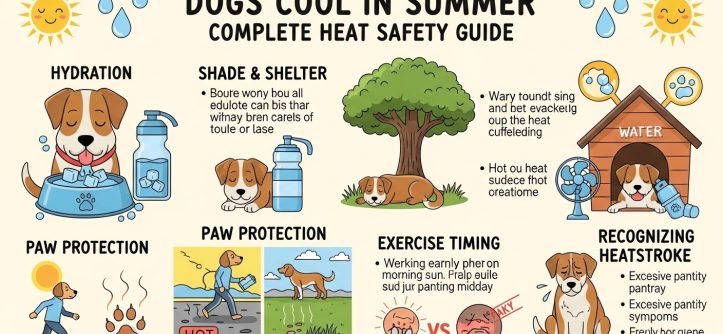
What Temperature Is Too Hot for Dogs to Be Outside?
Dogs face heat danger at 80°F and above. At this temperature, heat stress begins for most breeds. The risk escalates dramatically at 90°F.
Temperature tolerance varies by breed. Brachycephalic dogs (pugs, bulldogs, Boston terriers) struggle at 75°F. Their shortened airways make cooling inefficient. A study from Nottingham Trent University found that flat-faced breeds are 146% more likely to suffer heat stroke than other dogs.
Here’s the breakdown by temperature:
- 70-75°F: Safe for most dogs with normal activity
- 76-80°F: Caution zone—limit exercise, watch brachycephalic breeds
- 81-85°F: High risk—short bathroom breaks only, no exercise
- 86°F+: Extreme danger—indoor time only, emergency cooling ready
The pavement test matters more than air temperature. Place your hand on asphalt for 7 seconds. If you can’t hold it there comfortably, your dog’s paws will burn. Asphalt reaches 125°F when air temperature hits just 77°F.
Humidity compounds the problem. Dogs cool themselves through evaporation. When humidity exceeds 60%, panting becomes less effective. A 85°F day with 90% humidity poses more danger than a 95°F day with 20% humidity.

How Can You Tell If Your Dog Is Overheating?
Excessive panting and drooling are the first red flags. Normal panting has a rhythm. Heat stress panting is rapid, shallow, and desperate.
Watch for these progressive symptoms:
Early Stage:
- Heavy panting with tongue fully extended
- Thick, ropy drool
- Red or dark pink gums
- Mild restlessness or seeking cool spots
Moderate Stage:
- Glazed eyes
- Excessive thirst or refusal to drink
- Lethargy or weakness
- Vomiting
- Diarrhea (possibly bloody)
Critical Stage (Heat Stroke):
- Blue or pale gums
- Collapse or inability to stand
- Seizures
- Unconsciousness
- Body temperature above 104°F
A 2020 study in Scientific Reports analyzed 905 heat-related dog deaths. Dogs showing mild symptoms progressed to critical condition within 30-45 minutes without intervention. The mortality rate for untreated heat stroke exceeds 50%.
Certain dogs hide symptoms better than others. Senior dogs, puppies under 6 months, obese dogs, and those with heart or respiratory conditions mask distress until advanced stages. Double-coated breeds (Huskies, Malamutes, German Shepherds) appear comfortable but overheat internally.
What Are the Most Effective Ways to Cool Down a Dog Quickly?
Cool (not cold) water applied to key areas brings temperature down fastest. Target the belly, paw pads, armpits, and groin—areas with less fur and more blood flow near the surface.
Follow this emergency cooling protocol:
Step 1: Move your dog to shade or air conditioning immediately.
Step 2: Apply cool water (60-70°F) using wet towels or a hose on low pressure. Never use ice or ice-cold water. Rapid cooling causes blood vessels to constrict, trapping heat inside and potentially triggering shock.
Step 3: Place a fan near your dog to enhance evaporative cooling.
Step 4: Offer small amounts of cool water to drink. Don’t force it.
Step 5: Monitor rectal temperature every 5 minutes. Stop cooling efforts when temperature reaches 103°F to prevent hypothermia.
Step 6: Contact your veterinarian or emergency clinic immediately, even if symptoms improve. Internal damage can occur hours after visible recovery.
Veterinary researchers at the University of California, Davis tested cooling methods on dogs with induced hyperthermia. Wet towel application with airflow reduced core temperature by 3.2°F in 15 minutes. Ice baths showed similar temperature reduction but caused peripheral vasoconstriction, increasing risk of complications.
For prevention, frozen treats work differently than emergency cooling. Fill a Kong with Greek yogurt and freeze it. The slow consumption keeps dogs occupied while providing mild cooling from the inside. Freezing chicken broth in ice cube trays creates a hydrating snack that dogs actually want to eat.
Which Summer Dog Care Strategies Actually Prevent Overheating?
Walking schedule adjustment prevents more heat illness than any other intervention. Walk before 8 AM and after 8 PM when pavement and air temperatures drop.
Implement these proven prevent dog overheating tactics:
Hydration Management:
- Provide fresh water in multiple locations inside and outside
- Add ice cubes to water bowls every 2-3 hours
- Carry collapsible water bowls on all outings
- Offer water every 15-20 minutes during activity
Environment Modification:
- Create shaded zones in yards using tarps or shade sails
- Set up kiddie pools (supervise at all times)
- Place elevated beds or cooling mats in shaded areas
- Run sprinklers for dogs who enjoy water play
Exercise Adaptation:
- Cut walk duration by 50% during heat waves
- Switch to indoor enrichment activities (puzzle toys, training sessions)
- Choose grass or dirt paths over concrete and asphalt
- Watch for lagging, sitting, or refusal to move—stop immediately
Grooming plays a controversial role. A 2019 study from the Journal of Animal Science found that shaving double-coated breeds removes their natural insulation system, potentially increasing heat absorption. Regular brushing to remove dead undercoat proves more effective. Single-coated breeds and breeds with continuously growing hair (poodles, shih tzus) benefit from summer trims, but never shave to the skin.
Cooling vests and bandanas provide supplemental relief. Products using evaporative cooling technology reduced observed panting in 73% of dogs during a University of Pennsylvania trial. Soak the vest in cool water, wring it out, and place it on your dog before outdoor time. Re-wet every 30-45 minutes.
How Do You Keep a Dog Cool in a Car Safely?
You don’t. Never leave a dog in a parked car during summer. Period.
The data is clear and brutal. When outside temperature reaches 80°F, car interiors hit 99°F within 10 minutes and 109°F within 20 minutes, even with windows cracked. A Stanford University study using thermal sensors documented interior temperatures reaching 116°F in just 60 minutes on an 80°F day.
Cracking windows provides negligible relief—reducing interior temperature by only 3-5°F. Dogs left in parked cars account for 67% of heat stroke cases reported to emergency veterinary clinics during summer months.
If you must travel with your dog:
- Run air conditioning for 10 minutes before putting your dog in the car
- Direct AC vents toward the backseat
- Use sunshades on windows
- Bring someone who can stay with your dog if you need to make stops
- Plan routes with pet-friendly stops
- Carry a portable battery-powered fan as backup
For extended road trips, stop every 90-120 minutes. Let your dog drink, urinate, and cool down in shade for 10-15 minutes. Monitor paw pads for burns when exiting onto hot pavement—carry a towel to place under their feet if needed.
What Should You Do If You See a Dog in a Hot Car?
Call 911 or local animal control immediately. Note the car’s make, model, color, and license plate.
Check local laws. Nineteen states have “hot car” laws allowing civilians or first responders to break windows to rescue dogs. California, Colorado, Florida, Massachusetts, and Ohio specifically protect good Samaritans from civil liability when rescuing animals from vehicles.
While waiting for help:
- Document the situation with photos/video including timestamps
- Locate the car owner if the vehicle is near a business
- Have the business page the owner
- Stay with the vehicle until help arrives
- Gather witnesses willing to provide statements
If the dog appears unconscious and first responders are delayed, some jurisdictions permit window breaking. Know your local laws before acting. If you break the window, aim for the smallest one farthest from the dog, clear glass away from the dog’s reach, and document that you attempted all other options first.
Conclusion
Summer heat poses a preventable threat to your dog’s life. The temperature threshold is lower than most owners realize. The symptoms escalate faster than you expect. But now you have the knowledge to act. Remember the 80°F rule. Watch for excessive panting and lethargy. Adjust walking times to early morning and late evening. Never leave your dog in a parked car, even for “just a minute.” Keep emergency cooling supplies ready—wet towels, portable fans, and your veterinarian’s phone number. Heat stroke treatment costs between $1,500 and $5,000, and many dogs don’t survive despite aggressive intervention. Prevention costs nothing but awareness. Your dog depends on you to recognize the danger before it’s too late. Start implementing these dog heat safety tips today, before the next heat wave hits.
Take Action Now: Set a calendar reminder for tomorrow morning’s early walk. Bookmark your nearest 24-hour emergency veterinary clinic. Share this guide with three dog owners in your life who need to see it. Your dog’s life depends on what you do next.
Frequently Asked Questions
Can dogs get sunburned in summer?
Yes. Dogs with white or light-colored fur, thin coats, and pink skin are susceptible to sunburn, especially on the nose, ear tips, and belly. Apply pet-safe sunscreen (SPF 30+) to exposed areas before outdoor time. Never use human sunscreen containing zinc oxide or PABA, both toxic to dogs. Reapply every 2 hours during extended sun exposure.
Should I shave my double-coated dog for summer?
No. Double coats (found in Golden Retrievers, Huskies, German Shepherds) provide insulation against both cold and heat. Shaving removes this natural temperature regulation and exposes skin to sunburn. Instead, brush thoroughly 3-4 times weekly to remove dead undercoat and improve air circulation. The coat grows back unevenly and may never return to original texture.
How much water should dogs drink in hot weather?
Dogs need approximately 1 ounce of water per pound of body weight daily. In hot weather, this increases to 1.5-2 ounces per pound. A 50-pound dog should drink 75-100 ounces (9-12 cups) in summer. Monitor intake and watch for excessive drinking (over 3 ounces per pound), which signals potential health issues requiring veterinary attention.
Are certain dog breeds more prone to overheating?
Brachycephalic breeds (Pugs, Bulldogs, Boston Terriers, Boxers, Shih Tzus) face highest risk due to shortened airways limiting cooling efficiency. Large, dark-coated breeds absorb more heat. Arctic breeds (Huskies, Malamutes) retain more body heat. Overweight dogs, senior dogs, and those with heart or respiratory conditions also show increased vulnerability regardless of breed.
Can puppies handle summer heat like adult dogs?
No. Puppies under 6 months have underdeveloped temperature regulation systems. Their smaller body mass means they heat up faster and cool down slower than adults. Limit outdoor exposure to 10-15 minute sessions during cool morning hours. Puppies should never be exercised in temperatures above 80°F.
What’s the best flooring to keep dogs cool indoors?
Tile, vinyl, and concrete floors stay coolest. Many dogs naturally gravitate to bathroom tiles during heat. Cooling mats filled with gel or water-activated polymers reduce body temperature by 10-15°F. Avoid thick carpeting in dogs’ primary rest areas during summer. Elevated beds allow air circulation underneath, preventing heat retention.
How quickly can a dog develop heat stroke?
Heat stroke can develop in 15-30 minutes under extreme conditions (hot car, direct sun, intense exercise). Progression from early symptoms to critical condition typically takes 30-60 minutes without intervention. Internal organ damage begins when core temperature exceeds 106°F. Brain damage and death occur at 109°F. Every minute counts in heat stroke emergencies.
Related Topics: A beginner’s guide to alternative dispute resolution
What Next: What is a nuisance claim?