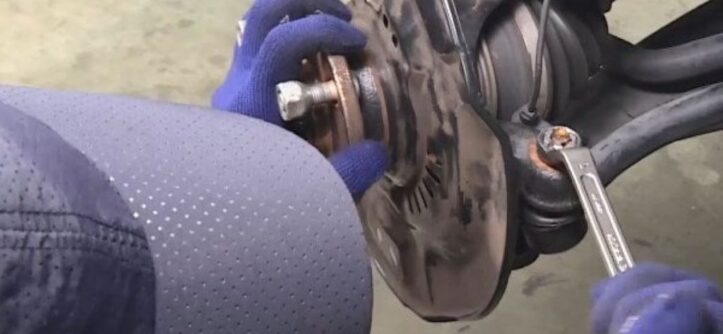
Replacing a wheel bearing should improve your vehicle’s safety and performance. However, many drivers experience unexpected ABS warning lights after this seemingly routine repair. This frustrating situation occurs more frequently than most car owners realize. Vehicle Trade US helps drivers understand complex automotive issues and find reliable solutions for their vehicles.
The ABS system relies on precise wheel speed sensors to function correctly. When mechanics replace wheel bearings, they sometimes inadvertently affect these sensitive components. Additionally, the installation process can introduce air gaps, damaged wiring, or sensor misalignment that triggers warning lights.
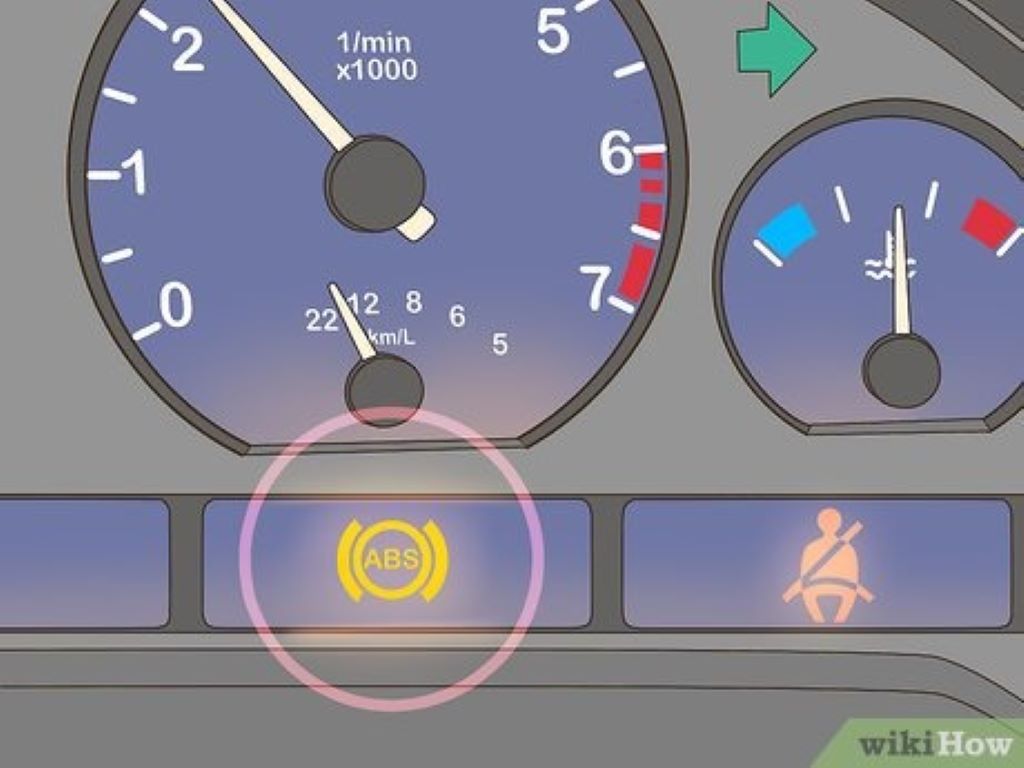
Understanding the abs light on dashboard meaning becomes crucial when this warning appears after bearing replacement. Therefore, drivers need comprehensive knowledge about potential causes and solutions to address this common post-repair issue effectively.
Understanding the ABS System Connection
How Wheel Bearings Affect ABS Function
Wheel bearings support rotating wheels while housing critical ABS components. Many modern vehicles integrate wheel speed sensors directly into bearing assemblies. This design creates intimate connections between bearing health and ABS performance.
The magnetic encoder ring, also called a tone ring, attaches to the bearing assembly. This ring creates magnetic pulses that wheel speed sensors detect. However, damage during bearing replacement can affect sensor accuracy and trigger warning lights.
Proper bearing installation requires precise positioning to maintain correct sensor gaps. Even minor misalignment can cause intermittent ABS warnings. Therefore, understanding these relationships helps diagnose post-replacement issues more effectively.
Sensor Integration in Modern Vehicles
Contemporary vehicles often feature integrated bearing-sensor assemblies that simplify installation but increase complexity. These units combine multiple functions in single components. Additionally, they require specific torque specifications and alignment procedures for proper operation.
Some vehicles use separate sensors mounted near bearing assemblies. These configurations allow independent replacement but require careful positioning during bearing installation. However, mechanics must ensure proper sensor placement to prevent interference or damage.
The trend toward integrated systems means bearing replacement increasingly affects ABS functionality. Technicians must understand these connections to prevent post-installation problems. Therefore, proper training and procedures become essential for successful repairs.
Common Causes of ABS Warnings After Bearing Replacement
Damaged or Contaminated Sensors
Wheel speed sensors are delicate components vulnerable to damage during bearing replacement. Metal shavings, grease contamination, or physical impact can impair sensor function. Additionally, corrosion from road salt or moisture can affect sensor performance over time.
Cleaning sensors during bearing replacement prevents many contamination issues. However, some mechanics overlook this crucial step. Brake cleaner or electrical contact cleaner effectively removes debris without damaging sensitive components.
Sensor replacement may become necessary if cleaning doesn’t resolve issues. OEM sensors typically provide better long-term reliability than aftermarket alternatives. Therefore, investing in quality components prevents future problems and repeat repairs.
Incorrect Air Gap Settings
The distance between wheel speed sensors and encoder rings critically affects ABS performance. Manufacturers specify precise air gaps, typically ranging from 0.5 to 2.0 millimeters. However, improper bearing installation can alter these measurements.
Too large an air gap weakens the magnetic signal and causes intermittent sensor readings. Conversely, gaps that are too small risk sensor damage from contact with rotating components. Additionally, thermal expansion can affect gap dimensions during operation.
Feeler gauges help technicians verify proper air gaps during installation. Some sensors include built-in spacers that automatically set correct distances. Therefore, following manufacturer specifications ensures reliable ABS operation after bearing replacement.
Wiring and Connector Issues
Wheel speed sensor wiring often requires disconnection during bearing replacement. Reconnection mistakes or damaged connectors can trigger ABS warnings. Additionally, corrosion in electrical connections affects signal quality and system reliability.
Inspecting connector condition before reassembly prevents many electrical issues. Dielectric grease protects connections from moisture and corrosion. However, excessive grease can interfere with electrical contact and cause intermittent problems.
Wire routing also affects system performance. Cables must avoid moving parts, heat sources, and sharp edges. Therefore, proper routing and secure fastening prevent damage that causes ABS warnings.
Incorrect Bearing Installation
Improper bearing installation techniques can affect integrated ABS components. Over-tightening bearing nuts can damage encoder rings or sensors. Additionally, incorrect press-in procedures may misalign components and affect sensor readings.
Hub runout from improper installation creates variable air gaps as wheels rotate. This condition causes fluctuating sensor signals that confuse ABS controllers. However, proper installation procedures prevent these alignment issues.
Using appropriate tools and following torque specifications ensures correct bearing installation. Impact wrenches can over-tighten fasteners and damage components. Therefore, torque wrenches and proper procedures prevent installation-related ABS problems.
Diagnostic Procedures and Troubleshooting
Initial System Checks
Begin diagnostics by scanning for ABS fault codes using professional diagnostic equipment. These codes identify specific sensors or circuits experiencing problems. Additionally, live data monitoring shows real-time sensor performance during operation.
Visual inspection reveals obvious problems like damaged wiring, contaminated sensors, or improper connections. Check for metal shavings, excessive grease, or corrosion around sensor areas. However, internal problems may require more sophisticated testing procedures.
Road testing under controlled conditions helps identify intermittent issues. Monitor ABS warning lights during various driving scenarios including straight-line driving, turning, and braking. Therefore, comprehensive testing reveals problems that static inspections might miss.
Advanced Testing Methods
Oscilloscope testing provides detailed analysis of sensor signal quality and timing. This equipment shows waveform patterns that reveal sensor problems invisible to basic code readers. Additionally, oscilloscopes can identify intermittent issues during dynamic testing.
Multimeter testing verifies sensor resistance values and circuit continuity. Compare readings to manufacturer specifications to identify faulty components. However, resistance testing alone may not reveal all sensor problems.
Air gap measurements using feeler gauges confirm proper sensor positioning. Document measurements for comparison with specifications. Additionally, check gaps at multiple wheel positions to identify runout problems.
Professional Repair Solutions
Sensor Replacement Procedures
When sensors require replacement, use OEM or high-quality aftermarket components. Cheaper sensors may not provide adequate performance or longevity. Additionally, verify compatibility with specific vehicle applications before installation.
Clean sensor mounting areas thoroughly before installation. Remove all debris, corrosion, and old gasket material. However, avoid aggressive cleaning methods that might damage sensitive surfaces or threads.
Apply appropriate sealers or gaskets to prevent moisture intrusion. Follow manufacturer torque specifications for sensor mounting bolts. Therefore, proper installation procedures ensure reliable operation and prevent premature failure.
System Recalibration Requirements
Some vehicles require ABS system recalibration after sensor or bearing replacement. This procedure teaches the system new baseline values for proper operation. Additionally, recalibration may clear stored fault codes that prevent normal system function.
Professional diagnostic equipment performs recalibration procedures automatically. However, some systems require specific driving patterns or conditions to complete the process. Consult service information for vehicle-specific requirements.
Incomplete recalibration can cause persistent ABS warnings despite proper repairs. Therefore, ensuring complete system initialization prevents ongoing problems and customer dissatisfaction.
Quality Control Measures
Road testing after repairs verifies proper ABS operation under various conditions. Test emergency braking, cornering, and different road surfaces when safely possible. Additionally, verify that warning lights remain extinguished during normal operation.
According to Consumer Reports, proper post-repair testing significantly reduces comeback repairs and ensures customer safety and satisfaction.
Documentation of repairs, parts used, and test results provides valuable information for future service needs. Additionally, warranty coverage depends on proper documentation of repair procedures and parts quality.
Prevention Strategies for Future Repairs
Proper Maintenance Practices
Regular wheel bearing maintenance prevents premature failure that necessitates replacement. Inspect bearings during routine brake service or tire rotation. Additionally, address contamination or damage promptly to prevent complete bearing failure.
Protect ABS sensors from road debris and contamination through regular cleaning. Use appropriate cleaners that don’t damage sensitive components. However, avoid high-pressure washing directly on sensor areas.
Address corrosion issues promptly to prevent electrical connection problems. Apply dielectric grease to connections in harsh environments. Therefore, proactive maintenance reduces the likelihood of ABS issues after bearing replacement.
Choosing Quality Components
Invest in high-quality bearings and sensors from reputable manufacturers. Cheaper components may save money initially but often cause problems later. Additionally, warranty coverage typically reflects component quality and manufacturer confidence.
OEM parts ensure proper fit and compatibility with existing systems. Aftermarket alternatives can provide good value but require careful selection. However, verify specifications and compatibility before installation to prevent problems.
Consider integrated bearing-sensor assemblies when available. These units ensure proper component relationships and simplify installation. Therefore, integrated designs often provide better long-term reliability than separate components.
Professional Installation Standards
Choose experienced technicians familiar with ABS systems and bearing replacement procedures. Proper training and equipment ensure quality installations. Additionally, professional shops typically warranty their work and provide ongoing support.
Verify that repair facilities use appropriate tools and follow manufacturer procedures. Improvised methods or shortcuts often cause problems that become apparent later. However, proper procedures and tools prevent most post-installation issues.
Request documentation of procedures performed and parts installed. This information helps with warranty claims and future service needs. Therefore, thorough documentation protects both customers and service providers.
Cost Considerations and Budgeting
Typical Repair Expenses
Wheel bearing replacement costs vary significantly based on vehicle type and component quality. Labor costs depend on accessibility and complexity of the specific application. Additionally, ABS-related complications can increase overall repair expenses.
Integrated bearing-sensor assemblies typically cost more than separate components. However, they often provide better reliability and easier installation. Therefore, consider long-term value when making component choices.
Additional costs may include diagnostic time, sensor replacement, or system recalibration. Budget for these potential expenses when planning bearing replacement. Additionally, quality repairs often cost more initially but provide better value over time.
Insurance and Warranty Coverage
Some insurance policies cover mechanical failures including bearing replacement. Check policy details and coverage limitations before scheduling repairs. Additionally, warranty coverage may apply to recent purchases or previous repairs.
Extended warranty plans often cover ABS-related repairs and bearing replacement. Review coverage details and claim procedures before needed. However, warranty work typically requires authorized repair facilities and approved parts.
Manufacturer warranties may cover defective parts or premature failures. Keep documentation of all repairs and parts for warranty claims. Therefore, proper record-keeping protects investment and provides recourse for problems.
Conclusion
ABS warnings after wheel bearing replacement represent common but preventable problems. Understanding the relationship between bearings and ABS systems helps identify potential issues before they occur. Additionally, proper diagnostic procedures and repair techniques ensure successful outcomes and customer satisfaction.
Key factors include sensor condition, air gap settings, electrical connections, and proper installation procedures. Professional diagnosis and quality repairs prevent most post-installation problems while ensuring system reliability. Therefore, investing in proper procedures and quality components provides the best long-term value.
Prevention through regular maintenance, quality components, and professional installation reduces the likelihood of ABS issues after bearing replacement. Proper budgeting for potential complications ensures adequate resources for complete repairs. The combination of knowledge, quality parts, and professional service creates successful outcomes for both vehicle owners and service providers.
Frequently Asked Questions
Why does my ABS light come on after wheel bearing replacement? ABS warnings after bearing replacement typically result from damaged sensors, incorrect air gaps, contaminated components, or wiring issues. Additionally, integrated bearing-sensor assemblies may require specific installation procedures to prevent problems.
Can I drive with the ABS light on after bearing replacement? While basic braking function usually remains intact, ABS safety features are disabled when warning lights are active. Therefore, have the system diagnosed and repaired promptly to restore full braking performance and safety.
How much does it cost to fix ABS issues after bearing replacement? Repair costs vary depending on the specific problem and vehicle type. Simple sensor cleaning may cost under $100, while sensor replacement can range from $200-500. However, complex electrical issues may require more extensive diagnosis and repair.
Should wheel speed sensors be replaced with wheel bearings? Integrated bearing-sensor assemblies require simultaneous replacement of both components. Separate sensors should be inspected and replaced if damaged or contaminated. Additionally, preventive sensor replacement can avoid future problems and additional labor costs.
How long should wheel bearings last after proper replacement? Quality wheel bearings typically last 85,000-100,000 miles under normal driving conditions. However, harsh environments, heavy loads, or poor maintenance can reduce bearing life significantly. Therefore, regular inspection and maintenance help maximize bearing longevity.
Read More:
Is My Catalytic Converter Failing or is It Just a Faulty Oxygen Sensor?