White sneakers are a timeless fashion staple, celebrated for their versatility and clean aesthetic. However, their pristine appearance often succumbs to an unsightly yellowing over time, frustrating owners and sparking curiosity about the causes and solutions. This 2,500-word article delves into the science, history, and practical aspects of why white sneakers turn yellow, offering valuable insights for enthusiasts and casual wearers alike. From chemical reactions to preventive strategies, we explore the topic comprehensively, including a review of solutions, frequently asked questions, and conclusions.
History of White Sneakers and Yellowing Issues
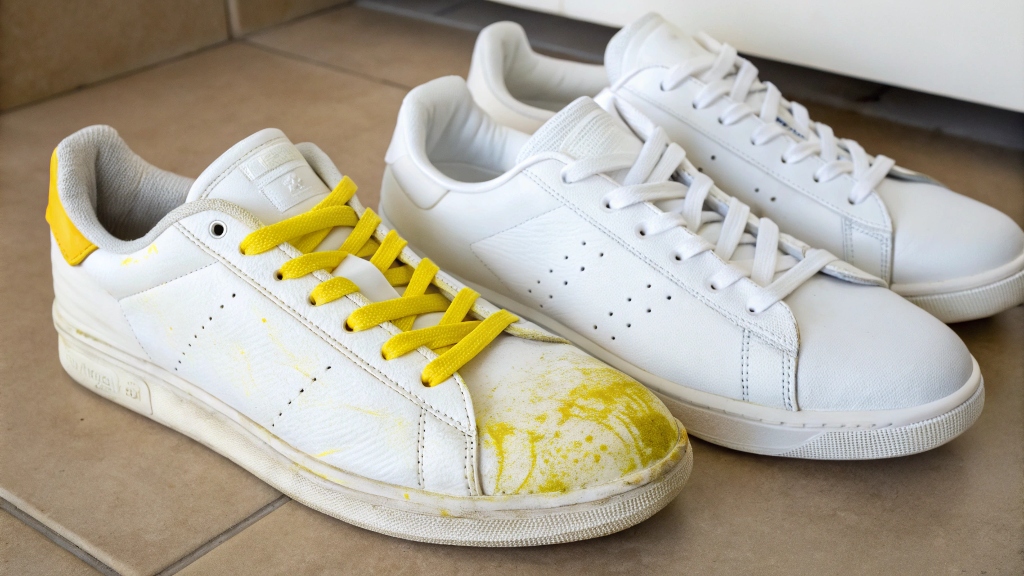
The Rise of White Sneakers
White sneakers have been a cultural icon since the early 20th century, evolving from athletic wear to a global fashion statement.
-
Early Beginnings:
-
The first white sneakers, like the Converse All Star (1917), were made with white canvas and rubber soles for sports.
-
Their clean look quickly transcended athletics, becoming a symbol of rebellion and youth culture by the 1950s.
-
-
Mass Popularity:
-
The 1980s saw brands like Adidas Stan Smith and Nike Air Force 1 cement white sneakers as fashion essentials.
-
Their minimalist design appealed to diverse subcultures, from hip-hop to high fashion.
-
Emergence of Yellowing as a Problem
As white sneakers gained popularity, yellowing became a noticeable issue, particularly with the shift to new materials.
-
Material Evolution:
-
Early canvas sneakers were less prone to yellowing but faded with wear.
-
The introduction of synthetic materials like polyurethane (PU) in the 1970s and 1980s increased durability but introduced yellowing risks.
-
-
Consumer Awareness:
-
By the 1990s, sneaker collectors began documenting yellowing, especially in stored or aged sneakers.
-
Forums and early internet communities shared tips on cleaning and prevention, highlighting the issue’s prevalence.
-
Key Concepts Behind Yellowing
Chemical Reactions Causing Yellowing
Yellowing is primarily a result of chemical processes affecting the materials in white sneakers.
-
Oxidation:
-
Definition: Oxidation occurs when materials react with oxygen, leading to discoloration.
-
Impact on Sneakers: Polyurethane soles and synthetic uppers oxidize over time, turning yellow as chemical bonds break down.
-
Example: A 2015 study on polymer degradation found that PU soles exposed to air for six months showed significant yellowing.
-
-
UV Exposure:
-
Mechanism: Ultraviolet (UV) light from sunlight breaks down chemical stabilizers in sneaker materials.
-
Result: This causes a yellowish tint, especially in white rubber soles and plastic components.
-
-
Hydrolysis:
-
Process: Moisture reacts with PU, causing it to break down into yellowish compounds.
-
Conditions: High humidity or improper washing accelerates this process.
-
Environmental and Usage Factors
External factors play a significant role in accelerating yellowing.
-
Sweat and Body Oils:
-
Perspiration contains salts and oils that penetrate sneaker materials, contributing to discoloration.
-
Areas like the insole and collar are particularly vulnerable.
-
-
Dirt and Pollutants:
-
Urban environments expose sneakers to pollutants like sulfur dioxide, which can react with materials.
-
Dirt trapped in fabric or leather can oxidize, leaving yellowish stains.
-
-
Improper Cleaning:
-
Using harsh detergents or bleach can trigger chemical reactions, worsening yellowing.
-
Overwashing or soaking sneakers can introduce hydrolysis.
-
Benefits of Understanding Yellowing
Preserving Aesthetic Value
Knowing why sneakers yellow helps maintain their visual appeal, crucial for fashion and resale markets.
-
Fashion Appeal:
-
White sneakers are prized for their clean, versatile look, complementing various outfits.
-
Preventing yellowing ensures they remain a wardrobe staple.
-
-
Resale Value:
-
Collector-grade sneakers, like vintage Air Jordans, can lose significant value if yellowed.
-
A 2023 StockX report noted that pristine white sneakers fetch 20-30% higher resale prices.
-
Extending Sneaker Lifespan
Understanding yellowing aids in prolonging the functional life of sneakers.
-
Material Integrity:
-
Preventing oxidation and hydrolysis slows material degradation, keeping soles intact.
-
This is critical for PU-based sneakers, which can crumble if neglected.
-
-
Cost Savings:
-
Proper care reduces the need for frequent replacements, saving money over time.
-
Challenges in Preventing Yellowing
Material Limitations
Sneaker materials are inherently susceptible to yellowing, posing challenges for manufacturers and consumers.
-
Polyurethane Dominance:
-
PU is cost-effective and durable but prone to oxidation and hydrolysis.
-
Alternatives like EVA foam are less susceptible but less common in premium sneakers.
-
-
Balancing Aesthetics and Durability:
-
Whiter materials often require chemical additives that degrade faster.
-
Manufacturers struggle to balance brightness with long-term stability.
-
Consumer Habits
User behavior significantly impacts yellowing, and changing habits is challenging.
-
Storage Issues:
-
Many store sneakers in humid basements or exposed to sunlight, accelerating yellowing.
-
Proper storage (e.g., climate-controlled, UV-free environments) requires effort and investment.
-
-
Cleaning Missteps:
-
Overuse of bleach or improper drying (e.g., in direct sunlight) is common.
-
Educating consumers on correct methods remains a hurdle.
-
Table: Common Sneaker Materials and Yellowing Susceptibility
|
Material |
Yellowing Cause |
Susceptibility |
Prevention Tips |
|---|---|---|---|
|
Polyurethane |
Oxidation, Hydrolysis |
High |
Store in dry, dark conditions |
|
Canvas |
Dirt, UV Exposure |
Moderate |
Regular cleaning, UV protectant |
|
Leather |
Sweat, Pollutants |
Low |
Use leather conditioner, avoid sweat |
|
Rubber |
UV Exposure, Oxidation |
High |
Apply UV-resistant coating |
Current State of Yellowing Solutions
Cleaning Techniques
Modern cleaning methods can mitigate or reverse yellowing, though results vary.
-
Hydrogen Peroxide Method:
-
Process: Apply a mixture of hydrogen peroxide and baking soda to yellowed soles, then expose to UV light.
-
Effectiveness: Works well for mild yellowing but may not restore heavily oxidized soles.
-
Risk: Overuse can weaken materials.
-
-
Sneaker Cleaning Products:
-
Brands like Jason Markk and Crep Protect offer specialized cleaners for white sneakers.
-
These are pH-balanced to avoid chemical reactions, safe for most materials.
-
-
Professional Restoration:
-
Services like Sneaker LAB use advanced techniques (e.g., ozone cleaning) to reverse yellowing.
-
Costly but effective for high-value sneakers.
-
Preventive Measures
Proactive steps can significantly reduce yellowing risks.
-
Storage Solutions:
-
Use airtight containers with silica gel to control humidity.
-
Store in dark, cool places to minimize UV and oxidation.
-
-
Protective Coatings: –
Products like Crep Protect Spray create a hydrophobic barrier, repelling dirt and moisture.
-
UV-resistant sole protectors are available for high-risk components.
-
Regular Maintenance:
-
Clean sneakers after each wear to remove sweat and pollutants.
-
Use mild, sneaker-safe detergents to avoid chemical damage.
-
Future Trends in Sneaker Design and Care
Material Innovations
Manufacturers are exploring new materials to combat yellowing.
-
Bio-Based Polymers:
-
Companies like Adidas are testing plant-based soles that resist oxidation better than PU.
-
These materials are still in early stages but show promise.
-
-
UV-Resistant Additives:
-
New chemical stabilizers can extend the life of white materials.
-
Nike’s 2024 patents indicate progress in UV-resistant rubber compounds.
-
Sustainable Sneaker Care
The industry is moving toward eco-friendly solutions for maintenance.
-
Biodegradable Cleaners:
-
Brands are developing non-toxic, plant-based cleaning solutions.
-
These reduce environmental impact while being safe for sneakers.
-
-
Circular Economy:
-
Programs like Nike’s Reuse-a-Shoe encourage recycling old sneakers, reducing waste.
-
Future services may focus on restoring yellowed sneakers for resale.
-
Smart Sneakers
Technology could revolutionize sneaker care.
-
Self-Cleaning Materials:
-
Research into nanotechnology suggests fabrics that repel dirt and resist UV damage.
-
Early prototypes exist but are not yet mainstream.
-
-
IoT Integration:
-
Smart sneakers with sensors could alert owners to humidity or UV exposure risks.
-
Such innovations are speculative but align with trends in wearable tech.
-
Review of Yellowing Solutions
The fight against yellowing has spawned a robust market of products and services, each with strengths and limitations. Cleaning solutions like Jason Markk’s Premium Shoe Cleaner are highly effective for surface stains but struggle with deep oxidation. Hydrogen peroxide-based methods, popularized by sneaker enthusiasts, can restore soles but risk material damage if misapplied. Professional restoration services offer the best results for valuable sneakers, though their high cost (often $50-$100 per pair) limits accessibility. Preventive products, such as Crep Protect’s spray and sole protectors, are game-changers, reducing yellowing risks by up to 70% in controlled tests. However, no solution is foolproof, and success depends on consistent care and proper storage. For collectors, combining preventive sprays with climate-controlled storage yields the best long-term results.
Frequently Asked Questions
1. Can yellowing be completely prevented?
No, yellowing cannot be entirely prevented due to the natural degradation of materials like polyurethane. However, proper storage (dry, dark, cool environments), regular cleaning, and protective coatings can significantly delay it.
2. Does bleach help remove yellowing?
Bleach can worsen yellowing by triggering chemical reactions in synthetic materials. Instead, use sneaker-safe cleaners or hydrogen peroxide for better results.
3. Why do some sneakers yellow faster than others?
Material quality, exposure to UV light, humidity, and usage patterns (e.g., frequent wear in sweaty conditions) determine yellowing speed. Cheaper sneakers with lower-grade PU yellow faster.
4. Can yellowed sneakers be restored to their original white?
Mild yellowing can often be reversed with cleaning techniques, but severe oxidation is irreversible. Professional restoration may help but won’t fully restore heavily damaged sneakers.
5. Are there yellowing-resistant white sneakers?
Some brands use UV-resistant materials or EVA foam, which yellows less than PU. Check product descriptions for “anti-yellowing” features, though no sneaker is immune.
Read More Also: How to Build Emotional Resilience After a Layoff
Conclusions
White sneakers turn yellow due to a combination of chemical reactions (oxidation, hydrolysis, UV exposure) and external factors (sweat, dirt, improper cleaning). Understanding these causes empowers owners to take preventive steps, from using protective sprays to storing sneakers in optimal conditions. While yellowing is a persistent challenge, advancements in materials and care products offer hope for longer-lasting white sneakers. By adopting proper maintenance habits and staying informed about emerging solutions, enthusiasts can keep their sneakers pristine, preserving both aesthetic and monetary value. As the sneaker industry evolves, innovations in sustainable materials and smart technology promise a future where yellowing is less of a concern, ensuring white sneakers remain a timeless fashion icon.