Hibiscus plants bring tropical beauty and vibrant colors into any home environment. These stunning flowering plants adapt surprisingly well to indoor conditions when given proper care. New House Project offers extensive gardening resources to help homeowners create beautiful indoor gardens with these exotic blooms.
Many gardening enthusiasts wonder can hibiscus grow indoors successfully. The answer is absolutely yes, with the right variety selection and proper care techniques. However, choosing appropriate cultivars makes the difference between thriving plants and struggling specimens.
Indoor hibiscus cultivation offers year-round blooming potential in controlled environments. Additionally, these plants provide natural air purification benefits while adding stunning visual appeal to living spaces. Therefore, selecting the best varieties ensures successful indoor gardening experiences.
Understanding Indoor Hibiscus Requirements
Indoor hibiscus plants need specific conditions to flourish. They require bright, indirect sunlight for at least six hours daily. Additionally, consistent temperatures between 65-75°F create optimal growing conditions. However, they’re sensitive to cold drafts and sudden temperature changes.
Humidity levels should remain between 50-60% for healthy growth. Most homes have lower humidity, making supplemental moisture necessary. Therefore, humidity trays or room humidifiers help create suitable environments for these tropical plants.
Top Hibiscus Varieties for Indoor Success
Chinese Hibiscus (Hibiscus rosa-sinensis)
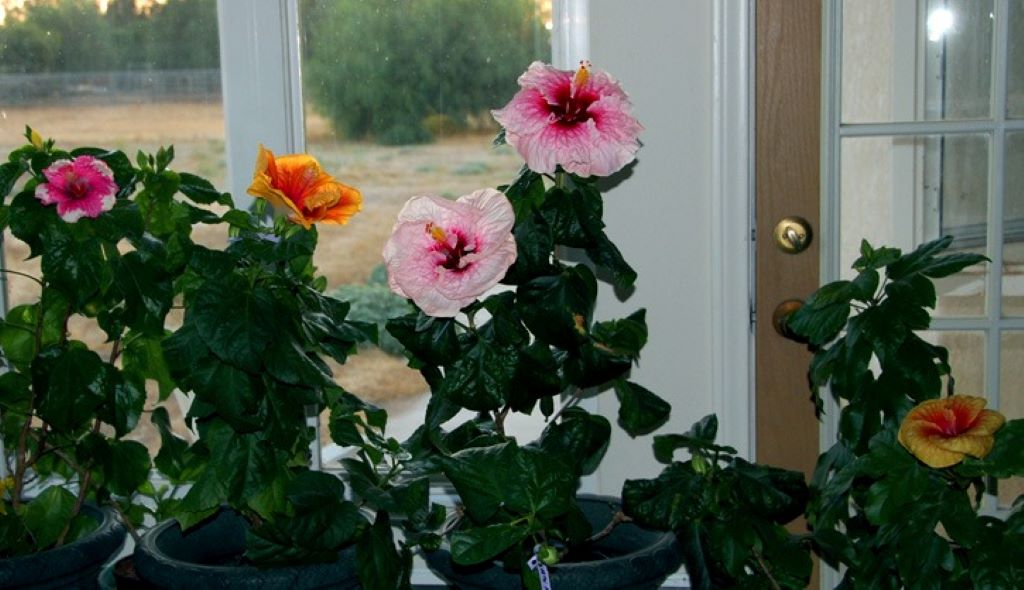
Chinese hibiscus ranks as the most popular indoor variety. These plants produce large, showy flowers in multiple colors including red, pink, yellow, and orange. Additionally, they adapt well to container growing and respond positively to pruning.
Compact cultivars like ‘Cooperi’ feature variegated foliage with cream, pink, and green patterns. The flowers are typically smaller but appear more frequently. However, regular feeding promotes continuous blooming throughout the growing season.
Tropical Hibiscus Dwarf Varieties
Dwarf tropical hibiscus varieties excel in indoor environments due to their manageable size. ‘Red Dragon’ produces brilliant red flowers on compact plants reaching only 2-3 feet tall. Additionally, ‘Sunny Wind’ offers cheerful yellow blooms with burgundy centers.
These varieties maintain bushy growth habits perfect for container cultivation. They require less pruning than standard varieties while providing abundant flowering displays. Therefore, dwarf types suit small spaces and apartment living situations.
Hardy Hibiscus Selections
Some hardy hibiscus varieties adapt to indoor growing with proper care. ‘Luna Red’ produces enormous 8-inch blooms on compact plants suitable for large containers. Additionally, ‘Summerific’ series offers multiple color options with manageable growth habits.
These varieties typically go dormant in winter, requiring different care during rest periods. However, their spectacular summer blooming displays make seasonal care adjustments worthwhile for dedicated gardeners.
Selecting the Right Container and Soil
Container selection significantly impacts hibiscus health and growth. Choose pots with drainage holes to prevent waterlogged soil conditions. Additionally, containers should be 2-3 inches larger than the root ball to allow proper development.
Terra cotta pots provide excellent drainage and breathability for hibiscus roots. However, plastic containers retain moisture longer, requiring less frequent watering. Therefore, consider your watering habits when selecting container materials.
Soil Requirements
High-quality potting mix ensures proper drainage and nutrition. Commercial potting soils designed for flowering plants work well for hibiscus cultivation. Additionally, adding perlite improves drainage in heavy soil mixtures.
Avoid garden soil for container growing as it compacts and drains poorly indoors. Premium potting mixes contain appropriate nutrients and pH levels for optimal hibiscus growth. Therefore, investing in quality soil pays dividends in plant health and flowering.
Light Requirements and Placement
Proper lighting determines hibiscus flowering success indoors. South-facing windows provide ideal natural light conditions for most varieties. Additionally, east or west windows offer sufficient morning or afternoon sun exposure.
Insufficient light results in leggy growth and reduced flowering. However, too much direct sunlight can scorch leaves and stress plants. Therefore, monitor plants closely and adjust placement as seasons change.
Supplemental Lighting Options
LED grow lights supplement natural lighting during winter months or in low-light homes. Full-spectrum LED panels provide appropriate light wavelengths for flowering plants. Additionally, these lights generate minimal heat, preventing plant stress.
Position grow lights 12-18 inches above plants for optimal coverage. Run lights for 12-14 hours daily to simulate long summer days. However, gradually reduce lighting duration during winter rest periods for some varieties.
Watering and Humidity Management
Consistent moisture levels promote healthy hibiscus growth and flowering. Water when the top inch of soil feels dry to touch. Additionally, water thoroughly until excess drains from container holes.
Overwatering causes root rot and yellowing leaves in hibiscus plants. However, allowing soil to dry completely stresses plants and reduces flowering. Therefore, maintaining consistent moisture without waterlogging requires careful attention.
Humidity Enhancement Techniques
Indoor air typically lacks sufficient humidity for tropical hibiscus varieties. Humidity trays filled with pebbles and water increase local moisture levels. Additionally, grouping plants together creates beneficial microclimates.
Room humidifiers provide consistent humidity control for multiple plants. Misting leaves occasionally helps but avoid excessive moisture on foliage. Therefore, focus on increasing ambient humidity rather than direct leaf misting.
Fertilizing Indoor Hibiscus
Regular feeding supports continuous blooming in indoor hibiscus plants. Balanced liquid fertilizers applied bi-weekly during growing season provide essential nutrients. Additionally, dilute fertilizer to half-strength to prevent root burn.
High-phosphorus fertilizers promote flower production over foliage growth. However, balanced nutrition prevents deficiency symptoms and maintains overall plant health. Therefore, alternate between balanced and bloom-booster fertilizers throughout the season.
Organic Fertilizing Options
Organic fertilizers provide slow-release nutrition for container-grown hibiscus. Compost tea applied monthly supplies gentle, long-lasting nutrients. Additionally, fish emulsion fertilizer promotes healthy growth without chemical buildup.
Worm castings mixed into potting soil provide continuous nutrition as plants grow. These organic amendments improve soil structure while feeding plants naturally. However, supplement with liquid fertilizers during peak growing periods for optimal results.
Pruning and Maintenance
Regular pruning maintains manageable plant size and promotes bushy growth. Pinch growing tips to encourage branching and more flowering sites. Additionally, remove spent blooms to redirect energy into new flower production.
Major pruning should occur in late winter before new growth begins. Cut back branches by one-third to maintain shape and size. However, avoid heavy pruning during active growing seasons as this reduces flowering.
Pest and Disease Management
Indoor hibiscus plants face fewer pest issues than outdoor specimens. However, aphids, spider mites, and whiteflies occasionally appear on stressed plants. Regular inspection catches problems early when treatment is most effective.
Insecticidal soap provides safe, effective pest control for indoor plants. Additionally, maintaining proper humidity and air circulation prevents most fungal issues. According to Better Homes & Gardens, healthy plants resist pest problems better than stressed specimens.
Seasonal Care Adjustments
Indoor hibiscus care varies with seasons and natural light cycles. Summer months require more frequent watering and feeding due to increased growth rates. Additionally, plants may need daily attention during peak growing periods.
Winter care focuses on maintaining plant health during slower growth periods. Reduce watering frequency and eliminate fertilizing from November through February. However, continue providing adequate light and humidity throughout dormant periods.
Transitioning Plants Outdoors
Some gardeners move indoor hibiscus outside during warm months. Gradually acclimate plants to outdoor conditions over 7-10 days. Additionally, monitor for pest introduction when bringing plants back indoors.
The National Gardening Association recommends quarantining plants for two weeks after outdoor exposure before returning them to indoor plant collections.
Troubleshooting Common Problems
Yellow leaves often indicate watering issues or nutrient deficiencies. Additionally, dropping flower buds suggests environmental stress or sudden condition changes. Therefore, maintaining consistent care prevents most common problems.
Poor flowering typically results from insufficient light or over-fertilizing with nitrogen. However, some varieties naturally produce fewer blooms indoors than outdoors. Additionally, young plants may take time to establish before heavy flowering begins.
Conclusion
Growing hibiscus indoors successfully depends on variety selection and proper care techniques. Chinese hibiscus and dwarf tropical varieties offer the best indoor performance with stunning flowering displays. Additionally, providing adequate light, humidity, and consistent care ensures healthy plant development.
Key success factors include choosing appropriate containers, using quality potting soil, and maintaining proper environmental conditions. Therefore, dedicated gardeners can enjoy tropical beauty year-round with these magnificent flowering plants. Regular maintenance and seasonal care adjustments maximize flowering potential and plant longevity.
Frequently Asked Questions
Which hibiscus variety blooms most frequently indoors? Chinese hibiscus (Hibiscus rosa-sinensis) produces the most consistent indoor blooms. Additionally, compact varieties like ‘Cooperi’ and ‘Red Dragon’ flower regularly with proper care.
How much light do indoor hibiscus plants need daily? Indoor hibiscus requires at least 6 hours of bright, indirect sunlight daily. However, 8-10 hours produces optimal flowering results, especially during growing season.
Can I grow hibiscus in a bathroom with high humidity? Bathrooms provide excellent humidity but often lack sufficient light for hibiscus flowering. Therefore, supplement with grow lights or choose brighter locations with added humidity.
Why are my hibiscus leaves turning yellow and dropping? Yellow, dropping leaves typically indicate overwatering, underwatering, or sudden environmental changes. Additionally, natural leaf drop occurs when plants adjust to new indoor conditions.
Do indoor hibiscus plants go dormant in winter? Most tropical hibiscus varieties slow growth but don’t go fully dormant indoors. However, hardy hibiscus types may enter dormancy requiring reduced water and no fertilizer during winter months.
Read More: