Every autumn, a small medieval city in central Italy becomes the pasta capital of the world. Foligno, nestled in the green heart of Umbria, hosts one of the most delicious events on the Italian culinary calendar. I Primi d’Italia 2026 is officially scheduled for September 24 to 27, 2026. Four days, hundreds of recipes, and thousands of pasta lovers from across Italy and beyond.
This is not just a food fair. It is a living celebration of Italian culinary heritage. Therefore, if you love pasta, risotto, gnocchi, or a good bowl of Italian soup, this is an event you should not miss.
What Is I Primi d’Italia?
I Primi d’Italia is Italy’s only national festival dedicated entirely to the first course. In Italian dining, the primo piatto — the first course — holds a special place at the table. It is where pasta, risotto, polenta, gnocchi, and soups take center stage before the main dish even arrives.
The festival started in 2000 and has grown into one of the most visited food events in Italy. It is organized by Epta Confcommercio with the support of the Municipality of Foligno. Additionally, the event carries the official backing of Italy’s Ministry of Agriculture, which has recognized it as an ambassador of Italian culinary quality. This is a significant honor, tied to Italy’s efforts to have its cuisine recognized as a UNESCO World Heritage tradition.
Each year, the festival draws tens of thousands of visitors from across Italy, Europe, the United States, and Australia. It is a genuinely international gathering with a deeply local soul.
Event Dates and Location
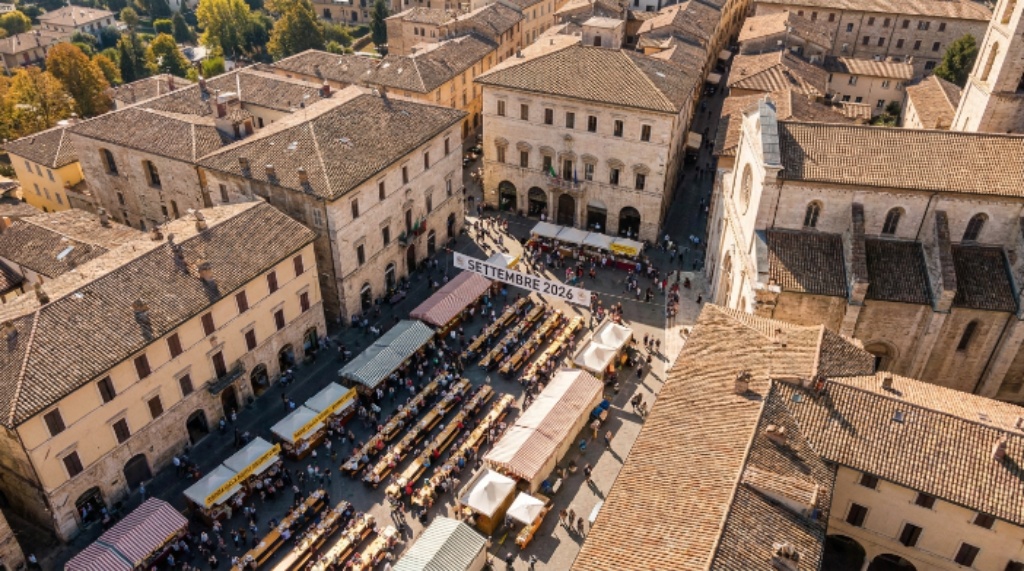
I Primi d’Italia 2026 runs from September 24 to September 27, 2026. The entire historic center of Foligno serves as the festival venue. Streets, piazzas, palaces, and courtyards all become part of the experience.
Foligno sits in the Valle Umbra in the province of Perugia. It is easy to reach by train, as the city sits on the main rail line connecting Rome and Ancona. Travelers from Perugia, Assisi, and Spoleto can also reach Foligno quickly by road or rail. However, if you plan to stay overnight, book your accommodation early. Hotels and guesthouses in and around Foligno fill up fast during the festival days.
The late September timing is ideal. Umbrian weather in this period tends to be warm and sunny during the day, with cool evenings. Comfortable walking shoes are a practical choice, since the festival spreads across cobblestoned streets and multiple outdoor spaces.
Tickets and Entry
One of the most welcoming aspects of this festival is its approach to entry. Access to the festival grounds is generally free. Visitors can walk through the historic center, explore the tasting villages, and soak in the atmosphere without paying an entrance fee.
However, tastings and specific events require tickets or tokens. Each tasting portion typically costs a small amount, making it easy to sample many dishes without spending a fortune. Some premium events, such as gala dinners with award-winning chefs, require advance reservations and carry a separate ticket price.
Special cooking classes and workshops also have their own fees. These tend to sell out quickly, so booking early is strongly advised. The official website, iprimiditalia.it, is the best place to check for updated ticket information closer to the event dates. Additionally, the festival’s official social media pages announce ticket releases and program updates in real time.
The Festival Program: What to Expect
The four days of I Primi d’Italia are packed with activity. The program covers everything from live cooking shows to artisan markets, expert panels, and children’s workshops. Here is an overview of what the 2026 edition is expected to offer, based on the festival’s established format.
Villaggi del Gusto — Villages of Taste
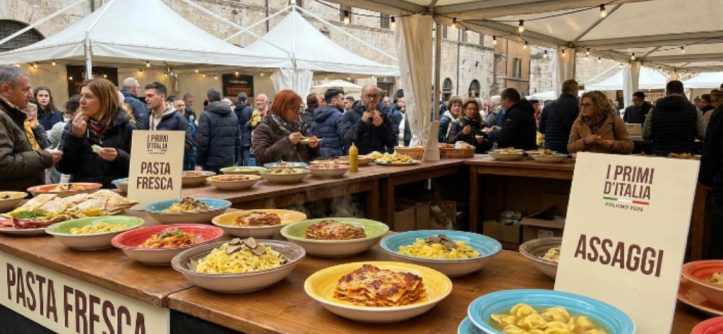
The heart of the festival is the Villaggi del Gusto, or Villages of Taste. These are pop-up dining villages set up across the historic taverns of Foligno’s traditional neighborhoods. Each village celebrates first-course dishes from different Italian regions.
Visitors can taste dishes that rarely travel outside their home provinces. You might find trofie al pesto from Liguria, orecchiette with turnip tops from Puglia, or the local Umbrian strangozzi alongside delicate risottos from the rice-growing north. This is a rare opportunity to eat your way across Italy without leaving one city.
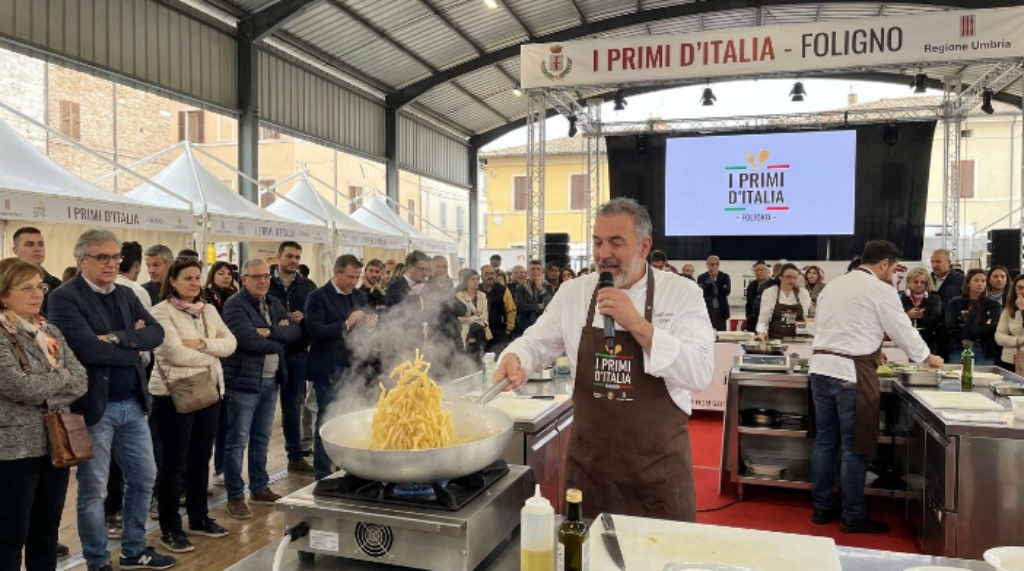
Cooking Shows by Star Chefs
Live cooking demonstrations are a festival highlight. Renowned chefs take the stage to prepare signature dishes in front of live audiences. Past editions have featured Michelin-starred chefs and celebrated regional cooks, all presenting their approach to the Italian first course.
These shows are entertaining and educational. They offer insights into technique, ingredient selection, and regional tradition. Furthermore, they give food lovers a chance to see professional kitchens in action in a relaxed, open setting.
A Tavola con le Stelle — Dining with the Stars
For those seeking a more exclusive experience, the festival offers gala dinners known as A Tavola con le Stelle, or Dining with the Stars. These elegant evening events pair tasting menus of first-course dishes with prestigious Italian wines. They are held in some of Foligno’s most beautiful indoor spaces.
These dinners require advance booking and a ticket, typically around 50 euros per person. They tend to sell out quickly. Therefore, anyone interested should register as soon as tickets become available.
Workshops and Cooking Classes
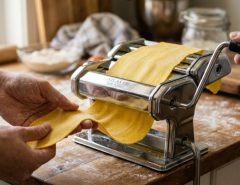
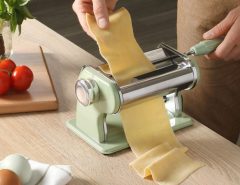
Hands-on workshops allow participants to learn pasta-making techniques directly from artisans and chefs. Adults can join full sessions on fresh pasta preparation, while children have their own dedicated program called I Primi d’Italia Junior.
The children’s workshop, often called La Pasta della Nonna, teaches young visitors the art of making pasta by hand. It is a charming, interactive experience that connects the next generation to Italian food traditions. Parents appreciate having a family-friendly activity built into the festival schedule.
Artisan Markets and Food Producers
Beyond the tasting villages, the festival hosts a lively market featuring Italy’s finest pasta producers, organic farmers, and artisan food makers. This is a wonderful place to buy quality ingredients, fresh pasta, local olive oil, and other regional specialties to take home.
Visitors can speak directly with producers, learn about their methods, and discover small-batch products that are rarely found outside their regions. It is part food shopping, part education, and entirely enjoyable.
Conferences and Expert Panels
Each edition also includes conversations about food culture, nutrition, and sustainability. Journalists, chefs, nutritionists, and food experts gather to discuss topics ranging from the Mediterranean diet to the future of Italian food traditions.
These sessions are open to the public and provide a thoughtful counterpoint to the more festive parts of the program. They reflect the festival’s commitment to treating food as both pleasure and culture.
The Best Pasta Experiences at the Festival
With so much on offer, it helps to know which experiences stand out most.
- Tasting the Umbrian strangozzi, a thick hand-rolled pasta unique to the region and best experienced fresh at the festival
- Sampling regional gnocchi and polenta dishes that are rarely found outside their home areas
- Attending a live pasta-making class with a local artisan to learn techniques passed down through generations
- Joining a wine-paired dinner to understand how first-course dishes complement different Italian wine styles
- Exploring the morning tasting sessions, which tend to be quieter and allow more time with each dish
Additionally, visiting early in the day offers a calmer experience. The festival gets busier in the late afternoon and evenings, so morning arrivals have more space to linger and explore.
Why Foligno Is the Perfect Host City
Foligno is often overlooked by visitors rushing between Assisi and Spoleto. However, this is actually one of its great advantages. It is a genuine working Italian city, not a tourist showcase. The Piazza della Repubblica, its central square, is framed by medieval and Renaissance architecture. The city has real character and warmth.
Hosting the festival here keeps it grounded and authentic. The event uses local neighborhoods, historic buildings, and community spaces in a way that feels natural rather than staged. Furthermore, the local community is deeply involved, which gives the festival its convivial, welcoming spirit.
Conclusion
I Primi d’Italia 2026 offers four extraordinary days of food, culture, and community in one of Italy’s most charming cities. Taking place from September 24 to 27, 2026, in Foligno, Umbria, the festival brings together the full range of Italy’s first-course traditions under one open sky. From free tasting walks through the Villages of Taste to gala dinners with star chefs, there is something for every type of food lover. Tickets for special events are limited, so planning ahead is essential. Whether you are a seasoned foodie or simply someone who loves a great plate of pasta, this festival is a deeply satisfying experience worth building a trip around.
Frequently Asked Questions
When and where is I Primi d’Italia 2026?
The festival takes place from September 24 to 27, 2026, in the historic center of Foligno, in the Umbria region of central Italy.
Is entry to I Primi d’Italia free?
General access to the festival grounds is typically free. However, individual tastings, cooking classes, and special dinners require tickets or tasting tokens. Prices vary by event.
How do I get to Foligno for the festival?
Foligno is well connected by train on the Rome–Ancona rail line. It is also accessible by road from Perugia, Assisi, and Spoleto. Driving and public transport are both viable options.
Are there activities for children at the festival?
Yes. The festival includes a dedicated children’s program called I Primi d’Italia Junior, with hands-on pasta-making workshops designed to be fun and educational for younger visitors.
Where can I find the official program and book tickets?
The official website is iprimiditalia.it. The festival’s social media pages also share program updates, speaker announcements, and ticket release dates in the lead-up to the event.